
Working with a bespoke tailor is a collaborative process: you explain what you need, explore cloth and design choices, get measured, and return for fittings so the garment can be refined. The goal is not simply to order a suit. It is to make decisions with a professional who can connect fit, fabric, details, and your real life. At Trevor Furbay Bespoke, that experience draws on 25 years of fashion-industry experience and a relaxed, personal approach.
What Does a Bespoke Tailor Do?
A bespoke tailor guides a client through the creation of clothing around their measurements, preferences, and intended use. The work includes more than taking measurements. A useful consultation establishes what the garment needs to do, what styles feel natural to you, and which choices will serve the occasion or wardrobe.
The process is personal, but it is not a promise that every garment uses one construction method or follows an identical sequence. Cloth, design, and the maker’s approach can vary. Ask questions about the specific garment being planned rather than assuming that a label such as “bespoke” guarantees a particular internal structure.
Custom clothing may include suits, sport coats, trousers, and shirts. A custom suit might be planned for frequent professional wear, while a sport coat or jacket may need to work with more casual trousers and different settings. The intended use should shape the conversation from the start.
What Happens During the First Consultation?
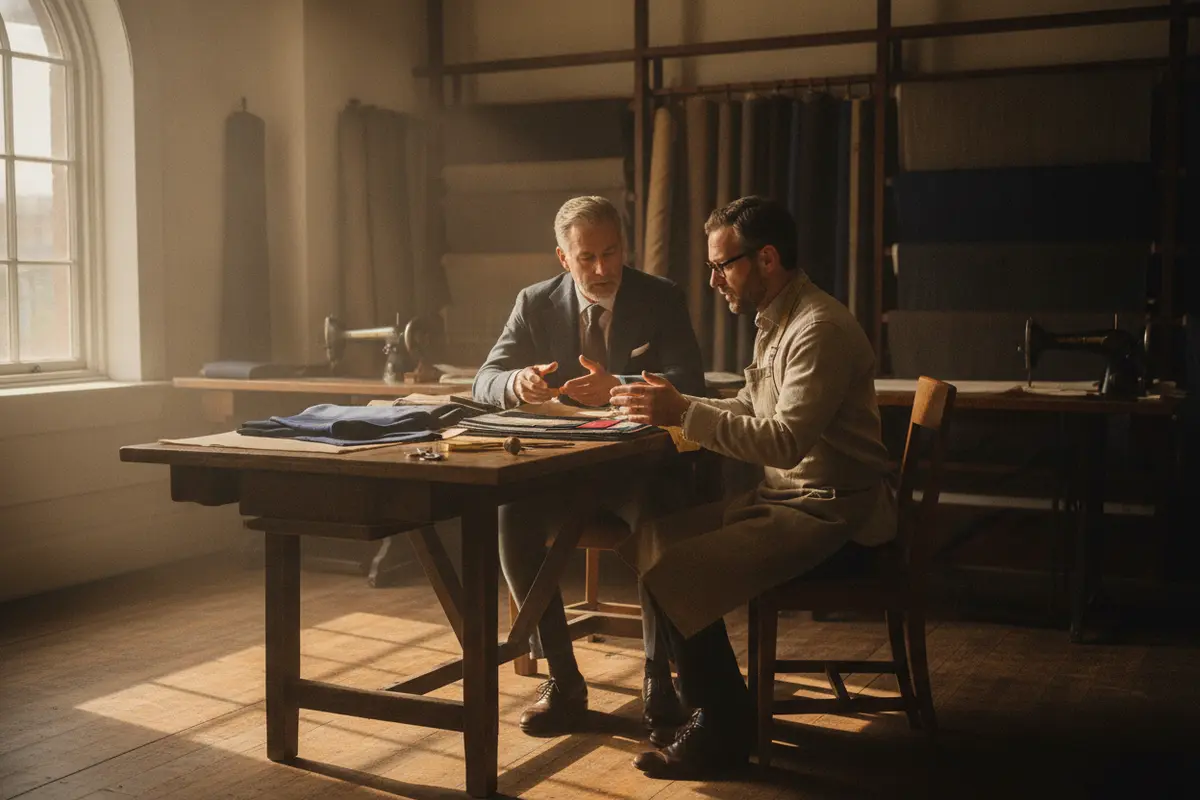
The first conversation turns a broad idea into a practical brief. A good tailor will want to understand when and where you plan to wear the garment, what you already own, and what has or has not worked for you before. Bring a clear occasion or a few wardrobe examples, but you do not need to arrive with every lapel, button, or pocket already chosen.
Talk about your day-to-day routine. A suit for regular client meetings has different demands from a piece worn a few times a year. Consider how formal your workplace is, whether you commute, how often you sit or travel, and what shirts and shoes you expect to wear with the garment. If the clothing is for a wedding, bring the date, venue, dress code, and any details that affect the overall look.
It also helps to describe fit preferences in plain language. You might like a little more room through the chest, a clean line through the waist, or a trouser that sits higher than your current pair. A stylist can translate those preferences into design and fit choices, then explain what is practical for the garment and your proportions.
The consultation is also the time to discuss budget. Custom tailoring is consultation-based, and the price depends on fabric and customization. There is no single price that applies to every cloth and design. Ask what choices affect the estimate and what is included in the proposed process before moving forward.
How Do You Choose Fabric and Design Details?
Fabric selection is easier when you start with use rather than appearance alone. Think about season, how often you will wear the piece, how formal it needs to feel, and how it should coordinate with the rest of your wardrobe. A versatile business suit may call for a different cloth and color than a statement jacket for a celebration.
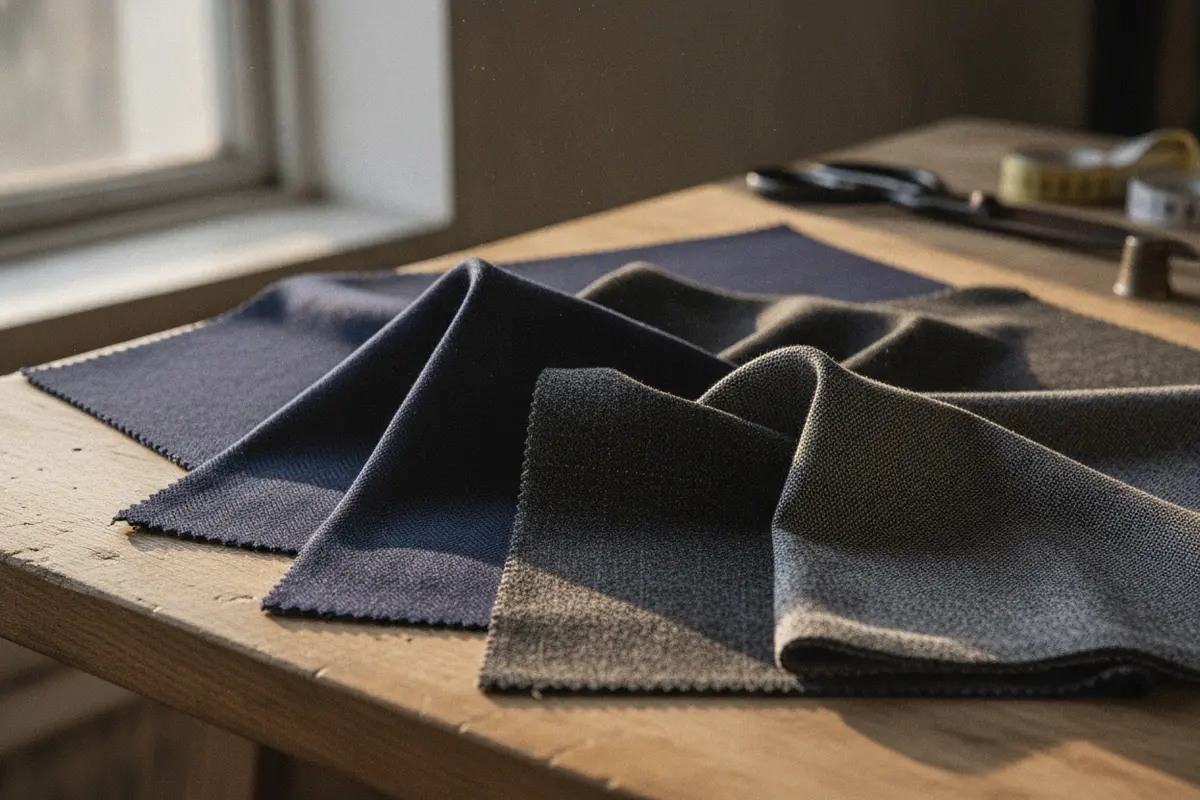
During the appointment, handle the available cloth and compare color, texture, and weight. Ask how a fabric is likely to look in the settings where you plan to wear it. Lighting can change how a color reads, so compare options in more than one light when possible. Also consider what you already own: a new garment should fill a useful role rather than duplicate a similar piece without a reason.
After narrowing the cloth, you can work through visible design decisions. These may include the lapel shape, number and placement of buttons, pockets, vents, lining, and trouser details. The right selection depends on the garment and your preferences. A detail can be attractive on its own but still feel out of place if it conflicts with the formality or purpose of the outfit.
Use a simple priority order if the choices feel like too much:
- Start with the occasion. Decide how formal the garment needs to be and where you expect to wear it.
- Choose a useful cloth and color. Consider season, frequency of wear, and what it needs to coordinate with.
- Set the silhouette. Discuss how you want the jacket and trousers to sit and move on your body.
- Add details selectively. Choose features that support the overall look instead of choosing every option just because it is available.
If you are planning separates rather than a complete suit, explore how custom trousers can support the rest of the outfit. For a coordinated top and bottom, talk through the full look together so that proportion, cloth, and formality make sense as a whole.
What Do Measurements Tell the Tailor?
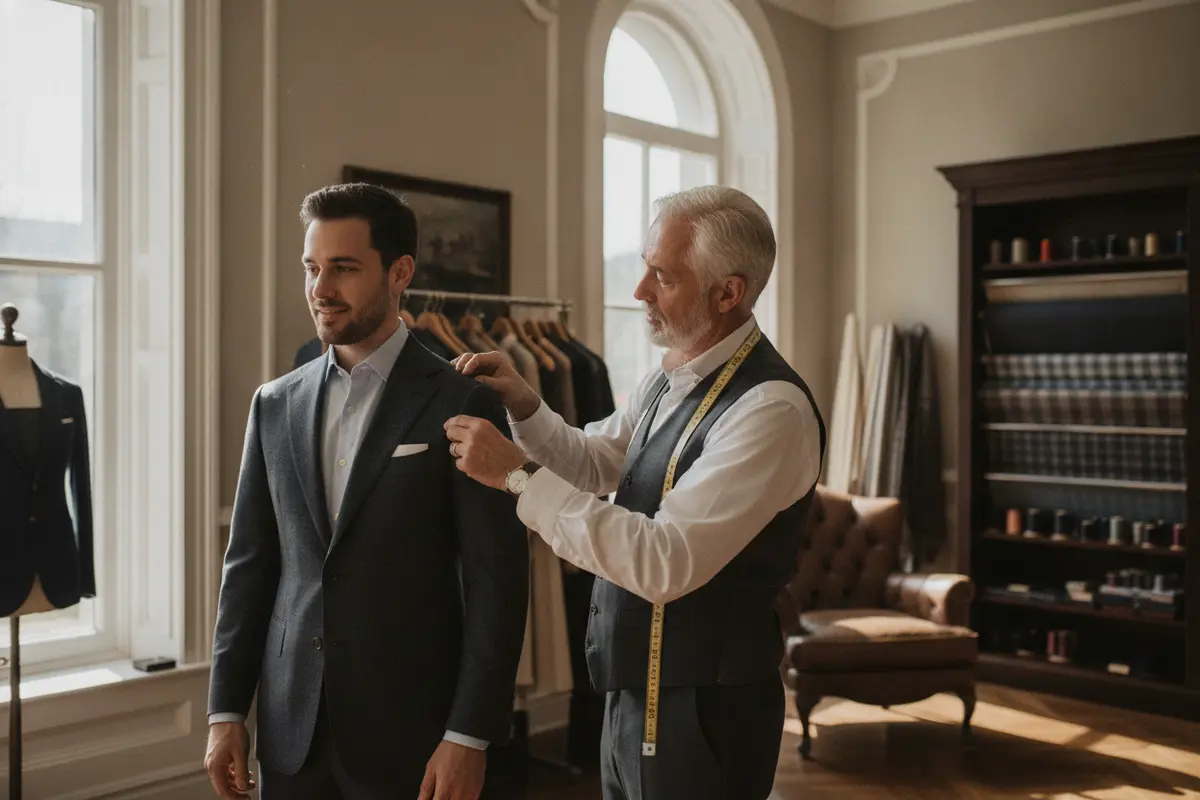
Measurements provide a starting point for planning fit. They are considered alongside posture, proportions, balance, and the way you stand and move. The tailor may also ask what you notice about your current clothing. A jacket that pulls at the button, a sleeve that feels restrictive, or trousers that do not sit comfortably are useful clues, not just complaints.
Wear clothing that makes it possible to assess your shape and movement. If you have a preferred dress shirt or shoes for the outfit, bring them or discuss their dimensions and style. Those pieces can affect how a sleeve or trouser break should look. The important thing is to share useful context, not to try to hold one exact pose throughout the appointment.
Measurements do not replace communication. If you prefer a closer or easier fit, say so. If the garment must accommodate a particular movement or layering need, explain it before the pattern and fit decisions are settled. A tailor can then advise how to balance your preference with the garment’s purpose.
There is no need to treat the measurement appointment as a test. Your role is to describe comfort and expectations honestly. The tailor’s role is to assess the garment and explain which adjustments or design choices may help. A useful fitting is a conversation, not a pass-or-fail judgment about your body.
Why Are Fittings Part of the Process?
Fittings let you and the tailor assess the garment on your body and decide what needs refinement. They are a chance to check more than a number on a tape: the jacket’s balance, the way it closes, sleeve and trouser lengths, and how the clothing moves when you stand, sit, and walk. The appropriate sequence and number of fittings depend on the garment and process.
When you try the garment on, move naturally. Raise your arms, reach forward, sit down, and check how the clothing feels in the positions you use often. Notice whether a problem is constant or appears only during a particular movement. Be specific: “I feel pulling across the upper back when I reach” gives the tailor more to work with than “It feels off.”
Also distinguish between a fit concern and a style preference. You may be comfortable in a jacket but want a different visual balance through the waist. Or the silhouette may look right while a sleeve feels restrictive. Say what you see and feel; the tailor can assess which changes are appropriate.
Bring the shirt, shoes, and other pieces that you expect to wear with the garment when relevant. They help make the assessment more realistic. If you are planning a full outfit, a conversation about custom shirts or complementary accessories can make the final combination feel considered rather than assembled at the last moment.
Which Decisions Shape the Finished Garment?
Finishing is where the planned garment is checked as a complete piece. The final assessment should confirm that it looks appropriate for its purpose, feels comfortable, and reflects the decisions made during the consultation and fittings. Pay attention to practical details such as how the garment closes, where the hem falls, and whether you can move without fighting the fabric.
It is useful to consider the garment in the context of an outfit. Does the jacket work with the shirts and trousers you own? Will the color serve the occasions you had in mind? Are the details consistent with the level of formality? Those questions help you judge the result as something you will actually wear, not just as an individual object on a hanger.
Before the process concludes, make sure you understand any care guidance and what to do if you have a concern after wearing the piece. Store the garment appropriately and follow the care instructions provided for its cloth. For questions about garment care, the custom suit care guide offers further reading.
How Does Bespoke Tailoring Compare With Other Options?
The labels used across custom clothing can vary between makers. Rather than relying on a label alone, ask how measurements are taken, what choices are available, how fit is assessed, and what the process includes. This comparison is a starting point for questions, not a universal definition of every provider’s service.
| Approach | How the process generally works | What to ask |
|---|---|---|
| Ready-to-wear | You select a finished garment in an available size and fit range. | Which size and cut suit your proportions, and what adjustments are possible? |
| Made-to-measure or custom | A base pattern or garment framework is adapted using measurements and selected options; the exact service varies. | Which measurements, pattern changes, fabrics, and details are included? |
| Bespoke tailoring | The client and tailor work through a personalized brief, measurements, design choices, and fitting or refinement steps. | How does this tailor develop the fit, conduct fittings, and complete the garment? |
These routes are not a simple ranking from bad to good. Ready-to-wear may be the right choice when convenience matters or a suitable garment is already available. Made-to-measure can provide customization within the maker’s process. A bespoke experience is especially appealing when you value hands-on collaboration, detailed choices, and fit refinement. The best route is the one that serves your needs, expectations, timeline, and budget.
Who Is a Bespoke Tailor a Good Fit For?
A bespoke tailor may be a strong fit if you want a garment designed around a particular use, have specific fit preferences, or enjoy making considered choices about cloth and details. It can also help if you are building a wardrobe piece meant to coordinate with clothing you already own. Professionals who wear tailored clothing regularly may value the ability to discuss comfort and function alongside appearance.
It is not only for people who know tailoring vocabulary. You can arrive with a practical goal—such as finding a suit for important meetings or choosing a jacket for events—and let the consultation guide the decisions. A hands-on stylist can explain options in clear terms and help you avoid details that do not support the result you want.
It may be less suited to someone who needs clothing immediately, wants a fixed price before discussing fabric and customization, or does not want to take part in a decision process. In those cases, a ready-to-wear option may be more convenient. If you are weighing possibilities, reviewing the Atelier Munro suit guide can help you prepare questions about a custom experience.
How Can You Prepare for an Appointment?
A little preparation makes the consultation more productive without turning it into homework. Before you go, consider these points:
- Purpose: Identify the occasions and settings where you expect to wear the garment.
- Timing: Share any event date or deadline early so the team can discuss the appropriate schedule. Do not assume every custom order follows the same timeline.
- Wardrobe: Think about shirts, trousers, shoes, and coats you want the new piece to work with.
- Fit: Note what you like and dislike about the clothes you already wear, including when a fit issue occurs.
- Preferences: Save examples of colors or silhouettes you like, while staying open to a professional’s advice on what will work for your needs.
- Budget: Be ready to discuss a comfortable range, and ask how fabric and customization choices affect the proposal.
For a wedding, start the conversation early enough to plan the wardrobe and fittings without unnecessary pressure. Trevor Furbay Bespoke recommends beginning wedding attire planning four to five months before the wedding. For an event-specific starting point, explore custom wedding tuxedos; the consultation can cover the event’s themes, venue, style selection, measurements, fittings, and final delivery.
Trevor Furbay’s approach combines long experience in fashion with personal, hands-on styling. The Cincinnati flagship and appointment-based Columbus/Dublin location offer a setting for discussing custom clothing in an unhurried way, with hospitality as part of the experience. To explore the company’s work and team before visiting, see the clothiers and personal stylists.
Frequently Asked Questions
How long does bespoke tailoring take?
Timing depends on the garment, cloth, and the maker’s process, so confirm the current estimate during your consultation. Share a firm event date at the start. Custom suits through the Atelier Munro partnership are described by Trevor Furbay Bespoke as having a three-to-five-week delivery timeline, but do not assume that timing applies to every garment or order.
Is a bespoke suit always made with the same construction?
No. Construction can vary by garment and maker. Ask how the specific suit is constructed and what that means for its feel, structure, and care rather than assuming every custom jacket uses one method.
Does bespoke tailoring cost the same for every suit?
No. Custom tailoring is consultation-based, with price depending on the fabric and customization. Discuss the cloth, design choices, and estimate with the tailor before committing; no single fixed price covers every combination.
Do I need to know exactly what I want before I meet a tailor?
No. It is enough to know the garment’s purpose, where you plan to wear it, and any fit concerns or preferences you have. The consultation can help you make decisions about cloth, silhouette, and details in a clear order.
What should I wear to a fitting?
Wear comfortable clothing that makes it possible to assess fit, and bring the shirt or shoes you expect to wear with the garment when relevant. Tell the tailor about layering or movement needs so the assessment reflects how you will use the clothing.
A bespoke tailoring experience works best when the conversation stays practical and collaborative: explain how you will wear the garment, ask about the choices in front of you, and share honest feedback at each fitting. That gives you and your tailor a clear path from the first idea to a finished piece that feels personal and useful.