
A wardrobe can be full without being useful. If getting dressed still means overlooking unworn pieces, repeating the same few outfits, or adjusting around inconsistent fit, the issue may be less about buying more and more about creating a clearer relationship between your clothes and your life.
A closet designer for clothing is a wardrobe-planning partner who considers your lifestyle, preferences, fit, and wardrobe goals before recommending what to keep, tailor, or add. Unlike a home-storage designer, this approach focuses on helping you build outfits that coordinate, serve your real occasions, and express your personal style.
That work can begin with a thoughtful closet cleanout and continue through personal styling, wardrobe consulting, and carefully chosen additions. The most useful guidance is practical and personal, starting with what you wear, where your wardrobe falls short, and how the right fit can make everyday dressing easier.
What Does a Closet Designer Do for Your Wardrobe?
A clothing-focused closet designer is a wardrobe-planning partner. Rather than concentrating on shelving, drawers, or storage measurements, this professional looks at how your clothes support your daily life. The work connects your personal style, schedule, fit preferences, and wardrobe goals so that getting dressed feels more intuitive and each purchase has a clear purpose.
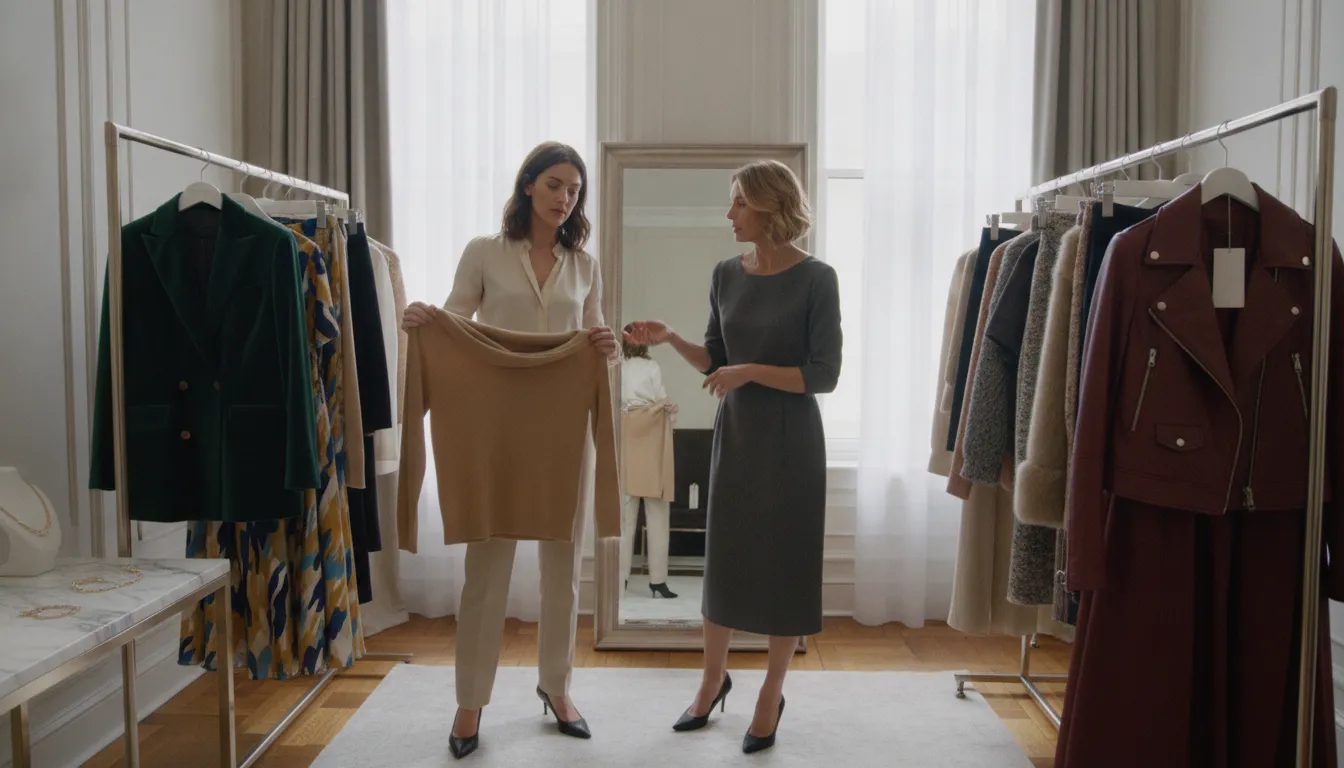
The process begins with conversation. You might discuss the settings you dress for, the pieces you reach for most often, the items that remain unworn, and the occasions that are difficult to prepare for. A busy professional may need a more flexible business wardrobe, while another client may want polished options for travel, entertaining, or milestone events. Lifestyle and preferences shape the recommendations, rather than a generic checklist of garments.
Start with a thoughtful closet cleanout
Closet cleaning is not simply about removing clothes. It is an opportunity to understand what is working and what is creating friction. Pieces can be considered in the context of condition, fit, frequency of wear, coordination, and the life you lead now. A wardrobe consultation can reveal duplicate purchases, orphaned items that do not pair easily, and quality pieces that need better styling or professional attention.
This review also helps separate a genuine wardrobe gap from an impulse to buy something new. If several jackets work well but there are few shirts or trousers to complete outfits, the priority is coordination. If an important event is approaching, the focus may be on a considered outfit rather than a broad seasonal refresh. The goal is a wardrobe with fewer unworn pieces and more useful combinations.
Address fit and occasion gaps
Fit is another essential part of the conversation. Off-the-rack clothing can be difficult to fit consistently, especially when proportions do not align with standard sizing. A clothing-focused closet designer identifies where comfort, silhouette, and confidence are being compromised, then guides you toward appropriate tailoring, custom options, or better-fitting ready-to-wear.
The recommendations may also account for fabric, color, texture, and the level of formality required across your calendar. Trevor Furbay’s personal styling and wardrobe services bring these considerations together through personalized styling, wardrobe consulting, closet cleaning, and curated shopping. The result is not a prescribed uniform. It is a more coherent wardrobe that reflects your preferences, fits your proportions, and makes room for the occasions that matter to you.
How Do You Design a More Useful Clothing Closet?
A useful clothing closet begins with your real life, not a universal checklist. The right process makes it easier to see what you wear, where your wardrobe falls short, and which additions will work with pieces you already own. It should account for your professional schedule, social calendar, personal style, comfort, and the fit issues that make some garments stay unworn.
- Audit what you actually wear. Start by taking stock of your current wardrobe. Notice the garments you reach for repeatedly, the pieces that remain untouched, and the combinations that already make dressing easy. Separate items that need professional attention from items that no longer support your style or daily life. This is not about removing clothing for the sake of having less. It is about understanding what earns a place in your routine and making better use of the clothes you already have.
- Identify your activities and genuine gaps. List the situations your wardrobe needs to handle, such as business meetings, travel, client dinners, weekends, celebrations, or formal events. Then compare those needs with what is available. A professional who moves between business casual and formal settings may need more variety than someone with a largely casual schedule. The goal is to solve actual gaps rather than buy attractive pieces that have no clear role.
- Map complete outfits. Build combinations around the clothes you keep. Consider which jackets, trousers, shirts, knitwear, shoes, and accessories can work together. Photographing successful outfits can make repeat dressing faster and reveal where one versatile piece would unlock several looks. Pay attention to color, proportion, and the level of formality so each addition has more than one possible use.
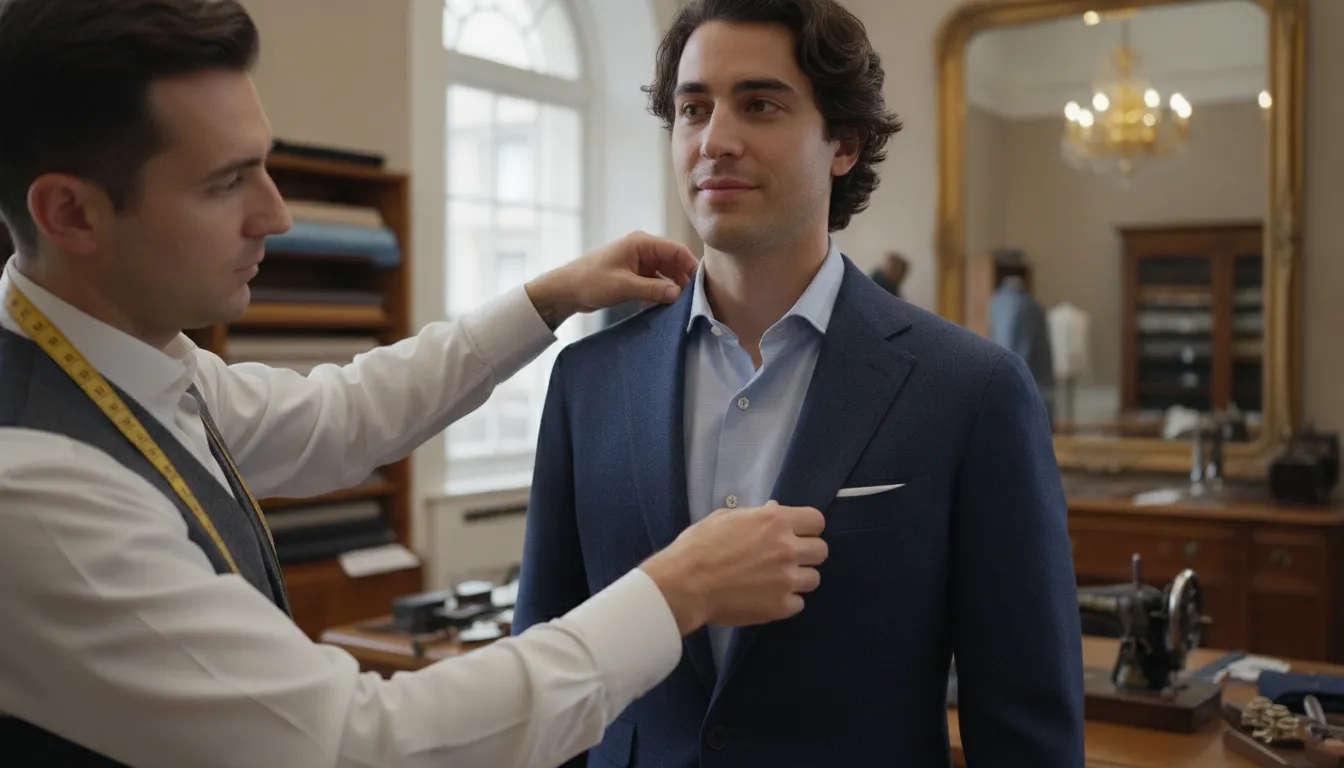
Fit is part of the design. A closet can be full and still feel incomplete when garments pull, bunch, or fail to suit your proportions. Address those issues professionally rather than building plans around clothing that does not feel right. When off-the-rack options do not provide the desired result, custom clothing and precise fit can bring measurements, fabric, lining, buttons, and other details into one considered decision.
Plan additions for repeat wear. Before purchasing, ask what an item will work with, how often you expect to wear it, and whether it supports a real wardrobe goal. Prioritize pieces that complete several outfits or solve a recurring need. This sequence turns closet planning into an ongoing, thoughtful practice: observe, clarify, coordinate, refine fit, and add with intention.
Closet Designer or Online Tool: Which Approach Fits?
The right approach depends on whether you are solving a storage problem, a wardrobe problem, or both. Search results for closet designer often point toward digital room planners, modular storage systems, or do-it-yourself layouts. These tools can be useful when you want to visualize shelves, hanging space, drawers, and traffic flow. They are not designed to explain which clothes belong in your closet, how those pieces should fit your life, or why one jacket works better than another.
A clothing-focused wardrobe designer starts with conversation. The process considers your work, travel, social calendar, preferred silhouettes, existing pieces, and the occasions for which you regularly dress. That human context can reveal that the issue is not a lack of storage, but a collection of unworn garments, inconsistent fit, or too few combinations for the week ahead.
| Approach | Primary output | Fit and lifestyle context | Personalization | Best use |
|---|---|---|---|---|
| Storage-design tool | A visual layout for shelves, rods, drawers, and compartments | Focused on room dimensions and storage capacity, not daily dressing needs | Adjustable measurements and modules, with little clothing guidance | Exploring how to organize or renovate a physical closet |
| DIY plan | A self-directed checklist, layout, or clothing organization system | Depends on your own assessment of activities, fit, and wardrobe gaps | Potentially personal, but limited by experience and available time | Making a practical first pass with an uncomplicated wardrobe |
| Retail assortment | A selection of garments offered for purchase | Usually shaped by seasonal inventory rather than your complete lifestyle | Some choice of size, color, and style, without a full wardrobe view | Adding individual pieces when you already know what you need |
| Human wardrobe stylist | A considered wardrobe plan, outfit direction, and curated clothing recommendations | Built around your proportions, routines, preferences, occasions, and existing clothes | High-touch guidance that evolves with your goals and personal style | Creating a more wearable, coordinated wardrobe with expert perspective |
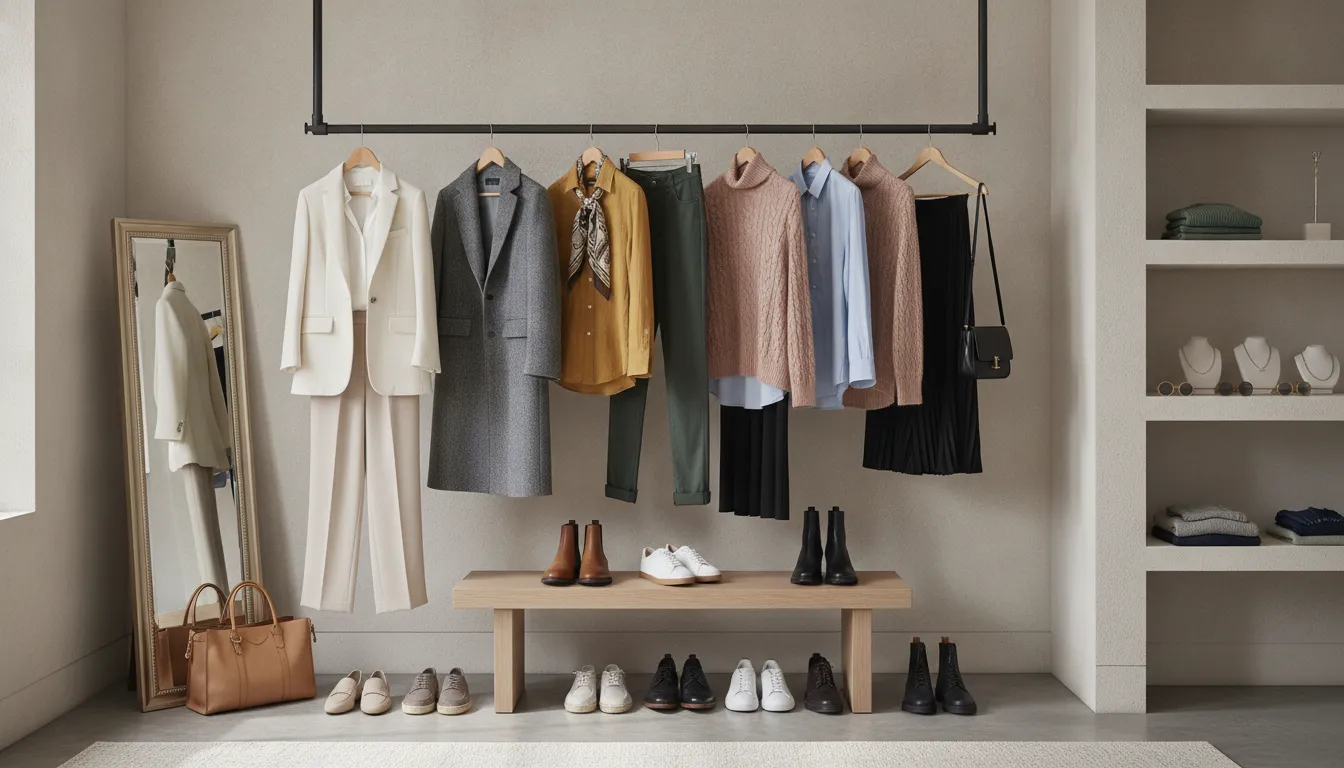
These approaches can complement one another. Use a tool to picture where clothing might go, then work with a wardrobe specialist to decide what deserves that space and how it should be worn. A stylist addresses the questions a storage calculator cannot: Does this piece suit your proportions? Can it support your work and social calendar? Does it coordinate with what you already own? That distinction turns an attractive closet into a wardrobe that makes dressing easier and more expressive.
When Is a Personalized Closet Designer Worth It?
A personalized wardrobe specialist becomes especially valuable when getting dressed has become more complicated than it should be. Busy professionals may have excellent clothing but little time to shop, coordinate outfits, or identify what is missing. A thoughtful specialist can connect your work schedule, travel, social calendar, and personal preferences to a wardrobe that feels considered rather than crowded.
This is also useful for fit-sensitive shoppers. If off-the-rack garments consistently require compromises in the shoulders, sleeves, waist, or proportions, professional guidance can change the entire experience. Trevor Furbay’s approach brings together personal styling, wardrobe consulting, and custom clothing, so recommendations can account for how a garment looks, feels, and functions in real life. Explore custom clothing when precise measurements and individualized details matter.
When your wardrobe needs to support an important season
Special occasions can make personalized styling worthwhile even for someone who usually shops independently. A wedding wardrobe, for example, must work within a broader celebration, complement the setting, and feel comfortable through a long day of photographs and conversation. Starting with a clear plan helps coordinate clothing, accessories, tailoring, and timing instead of leaving important decisions until the final weeks. Trevor Furbay offers wedding attire consultations for customers who want that process shaped around their event and personal style.
When you want guidance that grows with you
The strongest reason to work with a wardrobe specialist may be continuity. A long-term relationship allows recommendations to become more precise as your role, lifestyle, preferences, and wardrobe goals evolve. Rather than treating each purchase as an isolated transaction, the process can build on what you already own, identify useful gaps, and reduce the number of pieces that remain unworn.
Trevor Furbay was founded by Trevor Furbay, who brings more than 25 years of fashion-industry experience. That experience supports a service built around conversation, craftsmanship, and personal attention for both men and women. If you value an ongoing relationship with people who understand your style, take a moment to meet the team and learn how their expertise can support your wardrobe over time.
How StyleBox Extends Closet Designer Guidance at Home
A wardrobe becomes more useful when recommendations reflect the person wearing it. StyleBox brings that personalized approach into the home, extending the kind of thoughtful guidance associated with a closet designer beyond an in-store appointment. Instead of starting with a generic seasonal checklist, the process begins with information about how you dress and what you actually need.
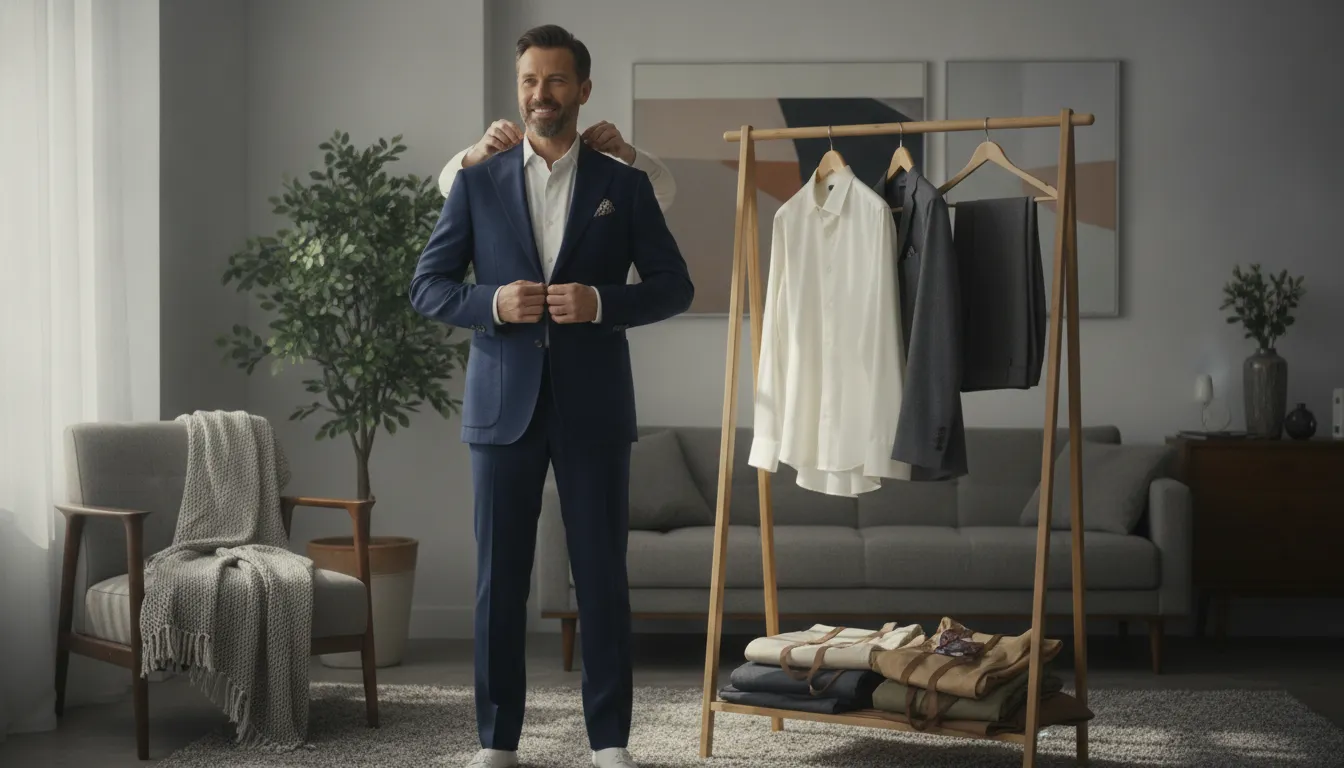
Your style profile covers your sizes, preferences, colors, and patterns. Those details give the team a practical foundation for selecting pieces that feel consistent with your existing wardrobe while still introducing considered options. A personal phone consultation adds context that a form alone cannot provide. You can discuss your routine, upcoming occasions, preferred silhouettes, and the areas of your closet that feel difficult to use.
Expert curation without a recurring commitment
After the consultation, an expert curates clothing with your profile and wardrobe goals in mind. This may be especially helpful for professionals who need variety across business, casual, and special-event settings but have limited time to shop. The objective is not to send a predetermined box of items. It is to make thoughtful suggestions that can complement your lifestyle, fit preferences, and personal expression.
StyleBox is personalized rather than a mandatory recurring subscription. There is no styling fee, and you pay only for the items you decide to keep. That structure allows you to evaluate each piece in the context of your own closet, without feeling obligated to retain clothing that does not earn a place in your rotation. It also supports a more deliberate approach to building a wardrobe, with attention to coordination, comfort, and repeat wear.
For Cincinnati customers, complimentary delivery and pickup make the at-home experience even more convenient. You can review the selections in the setting where you will actually wear them, consider how they work with what you own, and return what does not suit your needs through the available pickup service. To learn more about this personalized approach, explore StyleBox.
How to Choose Your Next Wardrobe Designer
The right wardrobe designer should help you make better decisions, not simply add more clothes to your closet. Look for a process that begins with your life, respects your preferences, and produces pieces you will genuinely wear. Use this six-step path to compare potential partners with clarity.
- Define your primary goal. Decide what you want to improve first. You may need a more polished professional wardrobe, clothing for several types of occasions, a better-fitting daily rotation, or a clearer personal style. A specific goal gives the conversation direction and helps you recognize useful recommendations.
- Audit your current closet. Review what you wear frequently, what remains untouched, and what no longer represents your life. Notice the colors, silhouettes, fabrics, and brands you reach for most often. An honest audit gives a wardrobe designer context that a shopping list cannot provide.
- Identify fit and occasion gaps. Make a short list of recurring frustrations. Perhaps work clothes do not transition well to dinner, formal pieces fit inconsistently, or you lack versatile options for travel and events. The strongest guidance addresses both practical gaps and the fit issues that make otherwise attractive clothing feel wrong.
- Set preferences and budget boundaries. Share your comfort level for spending by category without feeling pressured to accept a predetermined formula. Discuss fabric preferences, colors, patterns, maintenance, and how much time you have for shopping or fittings. Custom clothing should be discussed through a consultation because fabric and personalization affect the final investment.
- Choose the service model. Ask whether you need an in-person appointment, wardrobe consulting, closet cleaning, curated ready-to-wear, custom tailoring, or a combination. Review the available wardrobe services and ask how recommendations are developed. A personal conversation can reveal fit, lifestyle, and coordination details that an automated tool cannot assess.
- Evaluate repeat wear. Before choosing a piece, consider at least three settings in which you can wear it and how it works with clothing you already own. Ask whether the recommendation adds useful versatility, solves a real gap, and reflects your preferences. A successful wardrobe designer measures progress by easier dressing and more confident repeat wear, not by the size of a purchase.
These questions help separate thoughtful wardrobe planning from one-time shopping. The next step is understanding what human guidance can contribute beyond an online closet tool.
Frequently Asked Questions
How should I design my closet?
Begin with the way you actually live and dress. Review what you wear frequently, note gaps for work or special occasions, and set aside pieces that no longer fit your lifestyle or proportions. Then build around versatile garments that coordinate well, address fit issues, and support repeat wear. A wardrobe consultation can help connect those decisions to your personal style, schedule, and long-term goals.
Can AI help me design a closet?
AI can help organize ideas, suggest outfit combinations, or create a starting list of wardrobe categories. It cannot replace the context of a conversation about your fit, preferences, daily activities, and the pieces already in your closet. For more personal recommendations, combine digital inspiration with a human stylist who can evaluate proportion, coordination, fabric, and the way clothing feels in real life.
Are there actual human stylists?
Yes. A human stylist can listen to your priorities, review your wardrobe goals, and refine recommendations as your needs change. That guidance is especially useful when you have limited shopping time, need clothing for several settings, or find off-the-rack fit inconsistent. The process should feel collaborative, with your preferences and comfort shaping every selection.
What does a wardrobe stylist help with?
A wardrobe stylist can help with closet cleaning, personal shopping, outfit coordination, fit, and planning for work, travel, weddings, or other occasions. At Trevor Furbay, consultations begin with your lifestyle, preferences, and wardrobe goals before moving into guidance on fit, fabrics, and personalized clothing. StyleBox also offers curated ready-to-wear selections based on your sizes, colors, patterns, and preferences, with customers paying only for the items they keep.
Ready to Build a Wardrobe That Works for You?
A thoughtful wardrobe plan can make dressing easier, clarify what you already own, and reveal which additions will support your lifestyle. A personal conversation is a useful place to connect your goals with fit, styling, and custom clothing options.