
Buying clothes online can save time, but the service behind the box determines whether that convenience becomes a useful wardrobe or another round of returns. Some shoppers want an automatic rhythm of new arrivals. Others want thoughtful guidance, better context, and pieces selected around how they actually dress.
Clothing subscription boxes are services that curate apparel around your size, style preferences, and budget, then send selections to your home. The details vary: some use recurring deliveries, while others let you request a box when needed, keep only what works, or rotate rented pieces.
The right choice depends less on the word “subscription” than on the level of control and personal attention you want. Start by understanding how these models work, then compare them with a personalized styling experience designed around your wardrobe rather than a preset delivery schedule.
What Are Clothing Subscription Boxes, and How Do They Work?
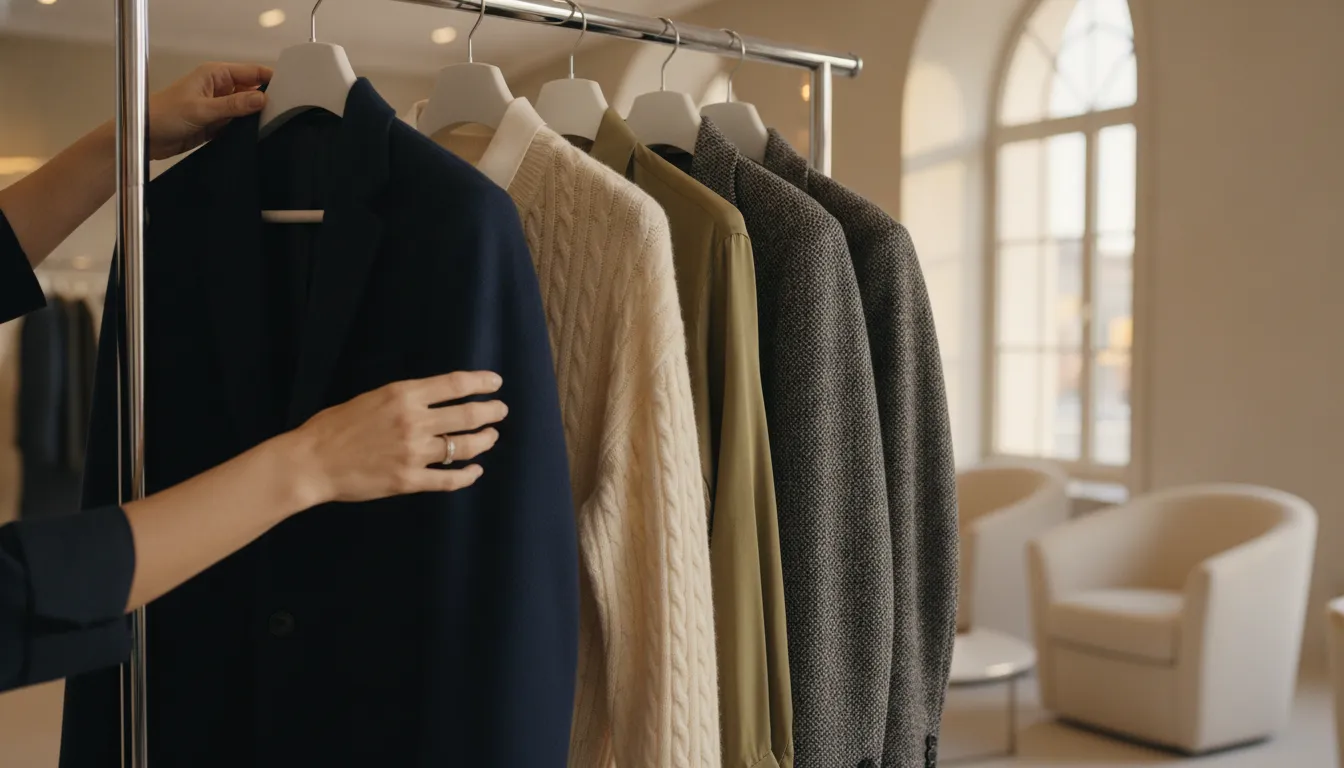
Clothing subscription boxes are services that curate apparel for a customer and deliver it to the home. Delivery may follow a recurring schedule, or it may happen when the customer requests a new selection. The process usually begins with information about size, lifestyle, preferred colors, patterns, fit, and personal style. From there, the service may recommend a group of garments, invite the customer to preview or choose pieces, or send a stylist-selected assortment for an at-home try-on.
The appeal is straightforward: less time spent searching, more exposure to styles a shopper might not select alone, and a convenient way to refresh everyday or occasion wardrobes. But “subscription box” describes several different service models. The details behind the delivery matter more than the box itself.
Recurring curated boxes
In the most familiar model, a customer signs up for a regular cadence, such as monthly or quarterly deliveries. Each shipment is shaped by the customer’s profile and previous feedback. Some services select the entire assortment, while others let customers preview pieces or swap individual items before the box ships. This model can suit someone who enjoys regular style discovery and wants wardrobe updates to arrive without planning another shopping trip.
On-demand personal styling
Not every clothing service operates on an automatic schedule. An on-demand model begins when the customer has a specific need, such as workwear for a new role, outfits for travel, or a seasonal wardrobe refresh. It can be more useful than a recurring shipment when the goal is thoughtful selection rather than a steady flow of new clothing. The level of human involvement also varies. Some services rely primarily on digital preferences, while others add direct conversation with a stylist who can understand context that a form cannot capture.
Keep-what-you-buy and rental rotation
Ownership is another important distinction. In a keep-what-you-buy model, the customer reviews the delivered pieces, keeps the garments that work, and returns or sends back the rest according to the service’s policy. The customer is building a wardrobe over time. Other programs are designed for rental rotation. A customer pays for access to garments for a set period, then returns them to exchange for another selection. Rental can make sense for variety or occasional use, while ownership is usually more appropriate for foundational pieces that need to work repeatedly in real life.
Some personal styling services combine the convenience of home delivery with a more deliberate relationship. For example, Trevor Furbay StyleBox begins with a profile covering sizes, preferences, colors, and patterns, followed by a personal phone consultation. That is different from treating every delivery as an automatic recurring subscription. Understanding the cadence, stylist involvement, payment structure, ownership terms. And return or pickup process will help you choose a clothing service that matches the way you actually want to shop.
Which Clothing Subscription Box Model Fits Your Shopping Habits?
The right model depends less on how often a box arrives and more on what you want the service to do. Some shoppers want a regular stream of new pieces with very little decision-making. Others want ownership, flexible timing, or thoughtful guidance from someone who understands their wardrobe. Before choosing among clothing subscription boxes, look closely at the cadence, what happens to each garment, and how much human input shapes the selection.
| Model | Cadence | Ownership | Human input | Best fit |
|---|---|---|---|---|
| Recurring curated delivery | Set on a regular schedule, such as monthly or quarterly | Usually keep selected items and return or exchange the rest | May range from a style profile to stylist-selected pieces | Shoppers who value convenience, discovery, and a steady wardrobe refresh |
| Keep-what-you-buy | On demand or whenever the customer requests a shipment | Buy only the pieces that earn a place in the wardrobe | Can include recommendations, feedback, or a human stylist | People who want to try clothing at home without committing to every item |
| Rental rotation | Ongoing access with swaps or scheduled rotations | Garments remain part of a rental system rather than a permanent wardrobe | Selection may be guided by preferences, availability, or styling support | Shoppers seeking variety for a limited wardrobe, frequent occasions, or experimentation |
| Human-led personal styling | Planned around the customer’s needs, calendar, and wardrobe goals | Customers purchase the pieces they choose to keep | Conversation, fit considerations, lifestyle context, and personal curation are central | Professionals and style-conscious shoppers who want context, continuity, and a more considered experience |
A recurring delivery is useful when reducing shopping effort is the priority. It creates a rhythm and can make discovering unfamiliar colors, silhouettes, or brands feel manageable. The tradeoff is that a fixed cadence may not match your actual wardrobe needs. If your schedule, size, or upcoming occasions change, the service may require more exchanges or adjustments.
A keep-what-you-buy model offers more control. You can assess garments at home, consider how they work with what you already own, and pay for the pieces that make sense. Rental rotation solves a different problem: access and variety matter more than building a permanent collection. It can be a practical choice when you want to experiment without adding every garment to your closet.
Human-led personal styling is the strongest choice when the goal extends beyond receiving clothes. A stylist can account for fit preferences, professional requirements, upcoming events, and gaps in the existing wardrobe. That conversation helps turn a shipment into a useful wardrobe decision. If you want convenience but still value personal judgment. Look for a service that combines home try-on with real consultation rather than treating every customer as a recurring order.
What Should You Check Before Choosing a Clothing Box?
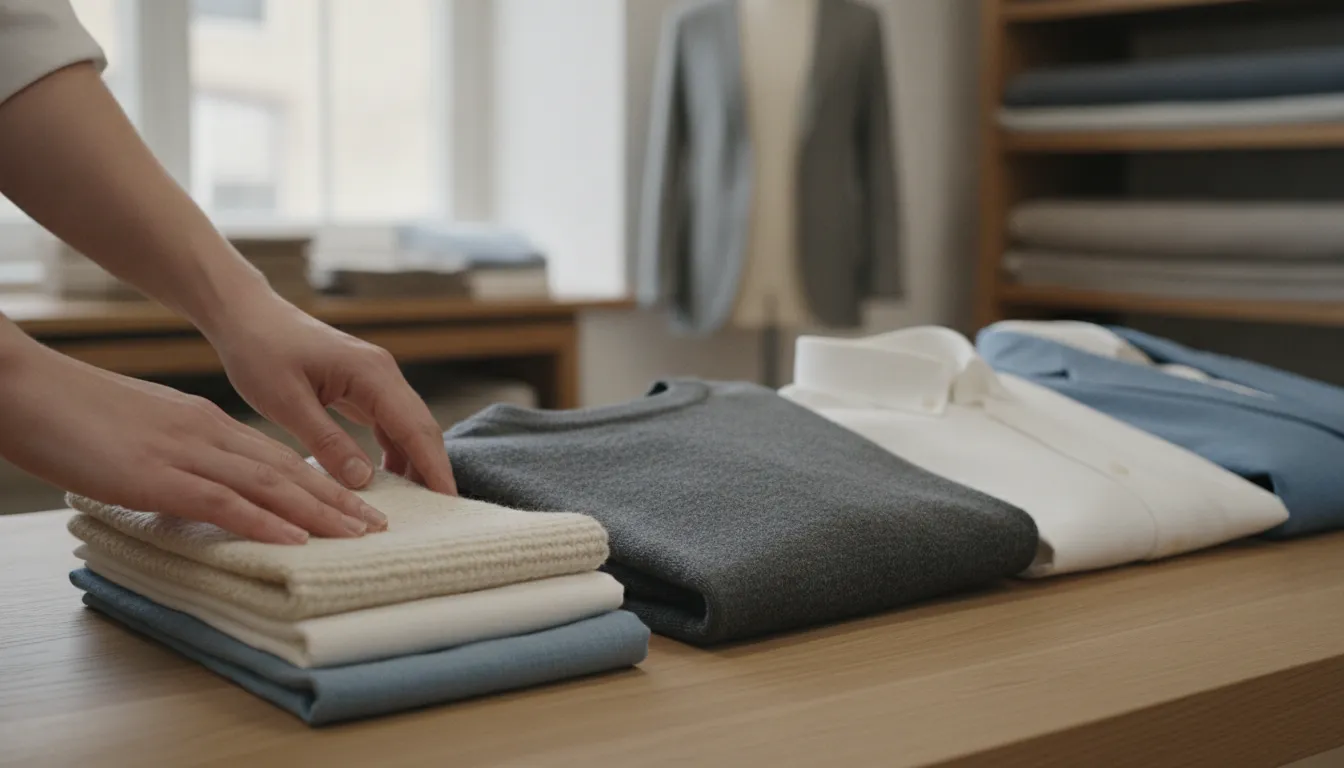
The right clothing box should make getting dressed easier without turning your wardrobe into a guessing game. Before you sign up, look beyond the promise of convenience. Examine how the service learns about you, how much control you retain, and what happens when an item does not work. A thoughtful decision starts with the experience behind the box, not simply the number of garments in it.
How much human guidance is involved?
Some services rely primarily on an online quiz or automated recommendations. Others connect you with a stylist who can interpret your preferences, ask better questions, and adjust selections as your needs change. Consider whether you want someone to understand your daily dress code, upcoming occasions. Preferred colors, and the difference between a garment that technically fits and one that feels right.
Also ask how you communicate with the styling team. A profile is useful, but a conversation can reveal details that a form misses. For shoppers who value context and continuity, a human relationship may be more useful than a hands-off shipment schedule.
Does the profile address fit and real wardrobe needs?
A strong profile should cover more than shirt size. Look for questions about proportions, fit preferences, lifestyle, colors, patterns, work requirements, and the types of pieces already in your closet. The goal is not to collect information for its own sake. It is to help the stylist make selections that work together and suit the way you actually live.
Define your wardrobe goal before completing the profile. You may need polished everyday clothing, versatile pieces for travel, an update for a new role, or help dressing for a specific event. The clearer the goal, the easier it is to judge whether the service is solving a real problem.
Are the fees, budget controls, and ownership terms clear?
Read the payment terms before your first box arrives. Confirm whether there is a styling fee, recurring charge, minimum commitment, or separate shipping cost. Clothing services can vary widely in how they charge, especially when some items are purchased and others are rented. You should know what you may owe before deciding what to keep.
Check whether you can set a spending range by item or by shipment, and whether that range can be updated. Transparent budget controls help prevent an attractive selection from becoming an uncomfortable surprise.
What happens after the try-on?
Review the return, exchange, pickup, and cancellation policies carefully. Find out how long you have to decide, whether unwanted pieces must be shipped back, and whether pickup is available in your area. Then check the cadence: is the service recurring, on demand, seasonal, or arranged as needed? The best model depends on whether you want regular wardrobe discovery or a focused refresh with a clear purpose. A service such as personal styling and wardrobe services may be a better fit when conversation, flexibility, and long-term wardrobe planning matter as much as delivery.
How Does StyleBox Compare With Clothing Subscription Boxes?
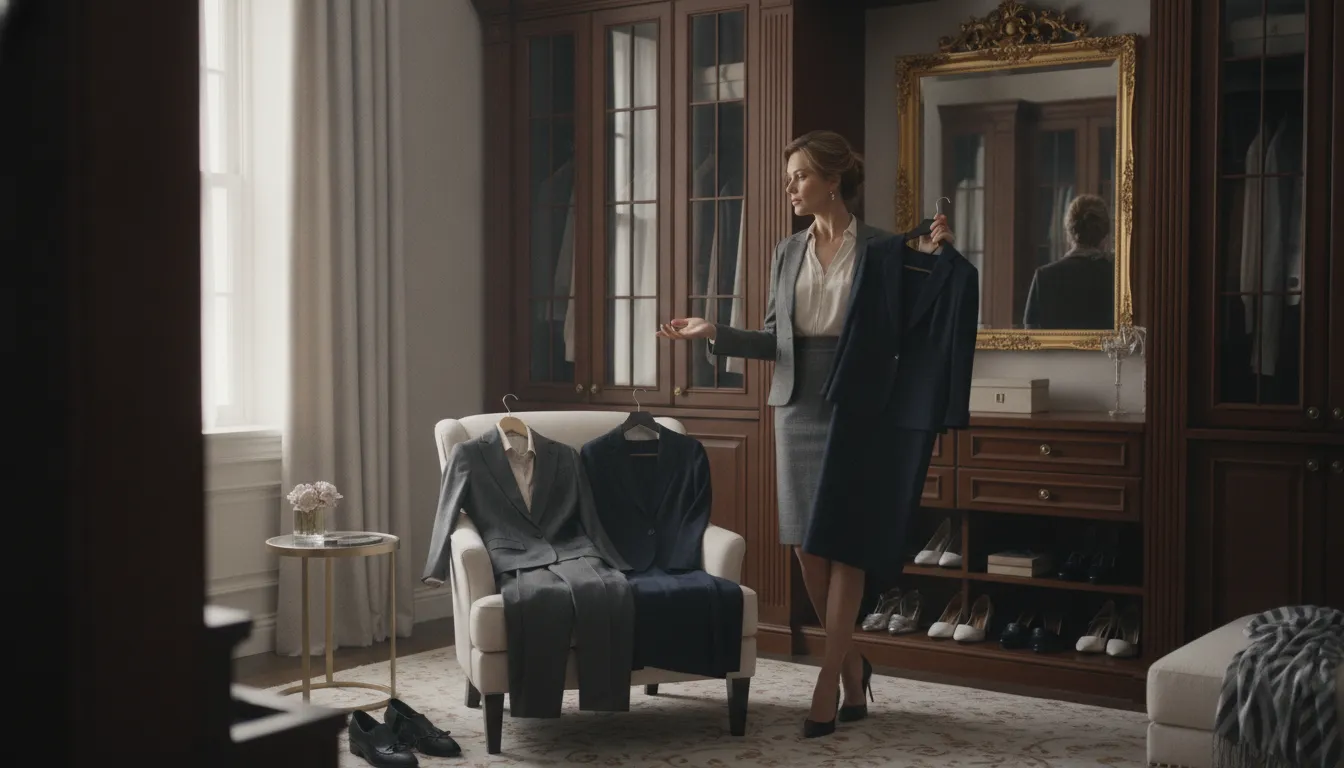
Clothing subscription boxes are often built around a recurring delivery schedule. A box arrives monthly or quarterly, and the experience is designed to make wardrobe shopping more convenient, encourage discovery, or reduce the time spent browsing. That model can work well when you want regular variety and are comfortable receiving selections according to a set cadence. StyleBox takes a more personal, conversation-led approach. It is a personalized styling experience, not a mandatory recurring subscription.
A more personal starting point
StyleBox begins with a style profile that captures your sizes, preferences, colors, and patterns. Those details give the stylist useful context before selecting anything. The process then moves beyond a form. After completing the profile, you receive a personal phone consultation, with direct contact within two business days. That conversation allows the stylist to understand what you actually need, whether you are refreshing workwear. Preparing for a season, or looking for pieces that fit your existing wardrobe.
This distinction matters when your preferences are nuanced. A recurring box can be convenient, but a profile alone may not explain why one fabric, silhouette, or color works better for your lifestyle than another. Direct communication gives you an opportunity to add context and ask questions before the selections are handpicked.
Curated selections without a styling fee
StyleBox selections are handpicked by expert stylists from premium brands. The goal is not to send a random assortment simply because a delivery is due. It is to assemble clothing that reflects your stated preferences and supports a more considered wardrobe. You can learn more about the process on the Trevor Furbay StyleBox page.
The fee structure is also straightforward. StyleBox has no styling fee, and you pay only for the items you decide to keep. That differs from models that may involve a recurring membership, a separate styling charge, rental terms, or an automatic shipment schedule. Since StyleBox is not presented as a mandatory subscription. You can use the service when it makes sense for your wardrobe rather than committing to a fixed recurring cycle.
Try everything at home, then keep what works
Once your selections arrive, you have three days to try the items on at home. This creates space to assess fit, comfort, and how each piece works with clothing you already own. In Cincinnati, delivery and pickup are complimentary. Unwanted items can be picked up at no cost, while you pay only for what you keep. The result is a practical alternative to both impersonal online browsing and a recurring box that may continue arriving before you are ready for another wardrobe update.
StyleBox also connects with Trevor Furbay’s broader personal styling and wardrobe services. Choose a clothing subscription model if automatic cadence and ongoing discovery are your priorities. Choose StyleBox if you want thoughtful curation, direct human input, clear keep-only payment, and a wardrobe refresh shaped around your real needs.
Who Benefits Most From a Personalized Clothing Service?
A personalized clothing service is most valuable when the challenge is not simply finding more clothes. It helps when shopping takes too much time, fit is unpredictable, an important event requires thoughtful coordination, or the customer wants advice that improves with familiarity. The right model should match the way you make wardrobe decisions.
Busy professionals who want shopping handled thoughtfully
Executives and established professionals often have clear standards but little interest in spending a weekend comparing fabrics, colors, and fits. A personalized service reduces the number of decisions without reducing the quality of the result. Instead of starting from an empty search page, the customer shares lifestyle needs, preferred colors, sizes, and the occasions ahead. A stylist can then narrow the field to pieces that have a practical role in the wardrobe.
This is especially useful for someone preparing for a new season, returning to the office, traveling frequently, or building a more consistent professional image. The benefit is not just convenience. It is having a second set of experienced eyes connect new selections to clothing the customer already owns.
Shoppers whose fit needs more attention than a standard size
Off-the-rack clothing can be close without feeling right. If sleeves, shoulders, rises, or proportions regularly create frustration, a personalized service gives fit a proper place in the conversation. Customers who want custom clothing and precise fit may need more than a preference quiz. They benefit from a discussion about measurements, construction, fabric, and the adjustments that make a garment feel intentional.
This path is also helpful for shoppers who know what looks good on them but struggle to describe why. A skilled professional can turn those observations into clearer choices, whether the need is a tailored wardrobe foundation or carefully selected ready-to-wear.
People preparing for weddings and milestone events
Event dressing carries more variables than an ordinary wardrobe refresh. The attire must suit the venue, season, ceremony, photographs, and the people sharing the occasion. Wedding customers benefit from starting early enough to discuss the vision, select fabrics and accessories, complete measurements and fittings, and confirm the final result before the big day. A focused wedding attire consultation keeps those decisions connected rather than treating each garment as an isolated purchase.
Customers who value an ongoing human relationship
Some shoppers want more than automated delivery. They want a stylist who remembers what has worked, understands changing responsibilities, and can explain why a selection belongs in the wardrobe. That relationship matters when personal style is evolving or when confidence comes from having a trusted partner in the process.
For those customers, a personalized service offers useful continuity. Each conversation can make the next recommendation more relevant, while the experience remains relaxed, personal, and grounded in real life.
How Should You Choose Your Next Wardrobe Refresh?
-
Define the result you want
Start with the reason for the refresh, not the service you happen to be browsing. Are you replacing worn workwear, preparing for a new role, updating seasonal layers, building outfits for travel, or looking for clothing that works across several settings? A clear goal helps a stylist or service make useful choices rather than sending attractive pieces that do not solve a real wardrobe need. Note the occasions, colors, silhouettes, and garments you already rely on.
-
Record your preferences and spending boundaries
Write down your sizes, preferred fits, disliked fabrics, favorite colors, and any practical requirements such as easy care or versatile styling. Then set a realistic budget for the complete refresh and, when possible, a comfortable range by garment type. A budget is not only a financial limit. It is a way to tell a curator whether you want a few substantial additions, several everyday pieces, or a gradual wardrobe update. Services that collect this information can make the process more relevant from the beginning.
-
Choose the right service model
Decide whether recurring delivery, on-demand curation, or personal styling best matches your habits. A recurring box may suit someone who values regular discovery and minimal shopping effort. On-demand curation offers more control over when a refresh happens, which can be useful when a season or occasion creates a specific need. Personal styling is the stronger fit when you want conversation, context, and recommendations shaped around your existing wardrobe. Check whether the service is designed for ownership, rental, or a combination, because that changes the value of each selection.
-
Evaluate fit before judging the selection
Consider how measurements, fit preferences, and alterations are handled. A thoughtful profile is helpful, but a useful try-on process gives you a chance to assess shoulder placement, proportion, comfort, and movement in your own environment. Review the return, exchange, or pickup process before accepting a shipment. The easier it is to give precise feedback, the more useful future curation can become.
-
Keep only what earns a place in your wardrobe
Try each item with pieces you already own and test whether it works for the goal you defined. Keep clothing that fits comfortably, serves more than one outfit, and feels like a natural extension of your style. Return or set aside anything that needs too many conditions to work. Finally, record what succeeded and what did not, then decide whether your next step is another focused refresh, a personal styling conversation, or a more precise tailoring solution.
Frequently Asked Questions About Clothing Subscription Boxes
What are clothing subscription boxes?
Clothing subscription boxes are services that curate apparel around your size, style preferences, lifestyle, and budget, then deliver selections to your home. Some operate on a recurring monthly or quarterly schedule. Others are available on demand. Depending on the model, you may keep the items you purchase, return unwanted pieces, or rent garments for a set period. Before choosing one, confirm the cadence, ownership terms, fee structure, and level of stylist involvement.
Is there a monthly clothing subscription box available?
Yes. Many clothing subscription services use a monthly cadence, while others deliver quarterly or let you request a box when you need one. Monthly delivery can be convenient for regular style discovery, but it is not automatically the best fit. Consider whether your wardrobe, budget, and schedule support another shipment each month. An on-demand personal styling service may be more useful when your needs are seasonal or occasion-specific.
Are there clothing subscription boxes for men and women?
There are services designed for men, women, and in some cases children or teens. The more important question is whether the service understands your fit, lifestyle, wardrobe goals, and preferred level of guidance. Someone looking for workwear, wedding attire, or a more precise fit may benefit from a human consultation rather than a broad category match. StyleBox offers personalized clothing curation for customers who want direct stylist input and a home try-on experience.
What should I look for in a clothing box?
Look for clear information about how your preferences are collected, who selects the items. Whether a styling fee applies, what happens to unwanted pieces, and whether you own or rent the clothing. Also check how feedback is handled. A profile can start the process, but a phone conversation may add valuable context. Trevor Furbay StyleBox has no styling fee. Customers pay only for what they keep, and Cincinnati customers receive complimentary delivery and pickup with three days to try selections at home.
Are luxury clothing subscription boxes worth it?
They can be worthwhile when the service saves meaningful time and the selections support your real wardrobe. Judge the experience by relevance, fit, ownership terms, and the quality of guidance rather than by the word luxury alone. If you want a more personal alternative to an automatic recurring box, StyleBox connects profile-based curation with a phone consultation and human selection.
Refresh Your Wardrobe With Personal Guidance
The best clothing service is the one that fits the way you want to shop. If you value thoughtful curation, direct stylist input, and the freedom to pay only for the pieces you keep. Trevor Furbay StyleBox offers a more personal path than an automatic recurring delivery. Complete your profile and begin a conversation about what your wardrobe needs next.