
Cocktail attire for men occupies the space between everyday business suiting and black tie. It calls for a polished, intentional outfit, but it leaves room to show personality through color, texture, accessories, and seasonal fabric. If an invitation says cocktail attire, the goal is to look refined without appearing as though you are headed to a much more formal ceremony.
Cocktail attire for men usually starts with a well-fitted suit or tailored jacket and trousers, a dress shirt, polished leather shoes, and restrained accessories. The right level of formality depends on the venue, time of day, season, and wording of the invitation. When the details are uncertain, a thoughtful consultation can help you choose an outfit that feels appropriate rather than generic.
What Does Cocktail Attire Mean for Men?
Cocktail attire is a dress code for social occasions that call for more polish than business casual but less ceremony than black tie. It commonly appears on invitations for evening weddings, receptions, fundraisers, gallery events, milestone dinners, and celebrations at an upscale venue.
For most men, the dependable starting point is a dark or mid-tone suit, a crisp dress shirt, leather dress shoes, and a coordinated belt. A tailored jacket with separate trousers can also work when the setting is less formal or the invitation suggests a creative interpretation. The fit, fabric, and condition of each garment matter as much as the individual pieces.
The dress code is a guide, not a single uniform
Cocktail dressing should look considered without looking identical from guest to guest. A navy suit with a white shirt gives you a classic foundation. A charcoal, medium-gray, or deep brown suit can feel equally appropriate when the cut is clean and the accessories are controlled. In warmer months, a textured wool, linen blend, or other breathable fabric can make the outfit feel lighter while preserving structure.
The invitation and setting should guide your final choice. An evening reception at a hotel may call for darker tones and polished shoes, while a garden celebration may welcome lighter colors, softer texture, or a more relaxed jacket. If the invitation gives a theme, venue cue, or color direction, treat it as part of the dress code.
What Should Men Wear for Cocktail Attire?
A successful cocktail outfit is built from coordinated elements rather than one attention-grabbing piece. The following framework helps you make each decision in the right order.
| Element | Reliable starting point | When to adjust |
|---|---|---|
| Jacket and trousers | Well-fitted suit in navy, charcoal, gray, or another refined mid-to-dark tone | Use a tailored jacket and separate trousers for a less formal or more creative venue |
| Shirt | Crisp white or light-blue dress shirt | Consider a subtle pattern or richer color when the event and jacket allow it |
| Shoes | Polished leather oxfords, derbies, loafers, or dress boots | Choose texture and color based on season, venue, and overall formality |
| Accessories | Coordinated belt, watch, pocket square, and optional tie | Use a tie or distinctive pocket square when the invitation leans formal |
Choose the suit or jacket first
The jacket establishes the visual weight of the outfit. A clean shoulder, balanced sleeve length, and comfortable closure make even a simple suit look deliberate. The trousers should sit correctly at the waist and break cleanly over the shoes. If the jacket fits well but the trousers do not, professional tailoring can often improve the overall proportion.
For a traditional cocktail event, a matching suit is the safest choice. A navy or charcoal suit can move comfortably from an evening wedding to a dinner celebration. A textured blazer with tailored trousers can work for a daytime or creative event, but it should still look sharper than a casual sport coat and jeans combination.
Select the shirt to support the jacket
A white or pale-blue dress shirt provides the most flexibility. It keeps the look clean and gives patterned ties, pocket squares, or textured jackets room to work. A subtle stripe, soft pink, or muted seasonal color can add personality when the rest of the outfit remains restrained.
The collar should sit neatly beneath the jacket and remain comfortable when the top button is closed. Avoid shirts that are so tight that the collar pulls or so loose that the neckline collapses. A stylist or tailor can help assess the relationship between the shirt collar, jacket lapel, and neckwear.
Finish with shoes and accessories
Polished leather shoes usually provide the right finish. Oxfords and derbies lean classic, loafers can feel modern and relaxed, and dress boots may suit a cool-weather evening. Match the formality of the shoes to the jacket rather than treating them as an afterthought.
A belt should coordinate with the shoes, while a watch and pocket square should support the outfit instead of competing with it. A tie is not always required for cocktail attire, but it is useful when the event is at night, the venue is formal, or the invitation is ambiguous. If you skip the tie, keep the shirt collar crisp and the rest of the outfit especially intentional.
How Formal Should Cocktail Attire Be?
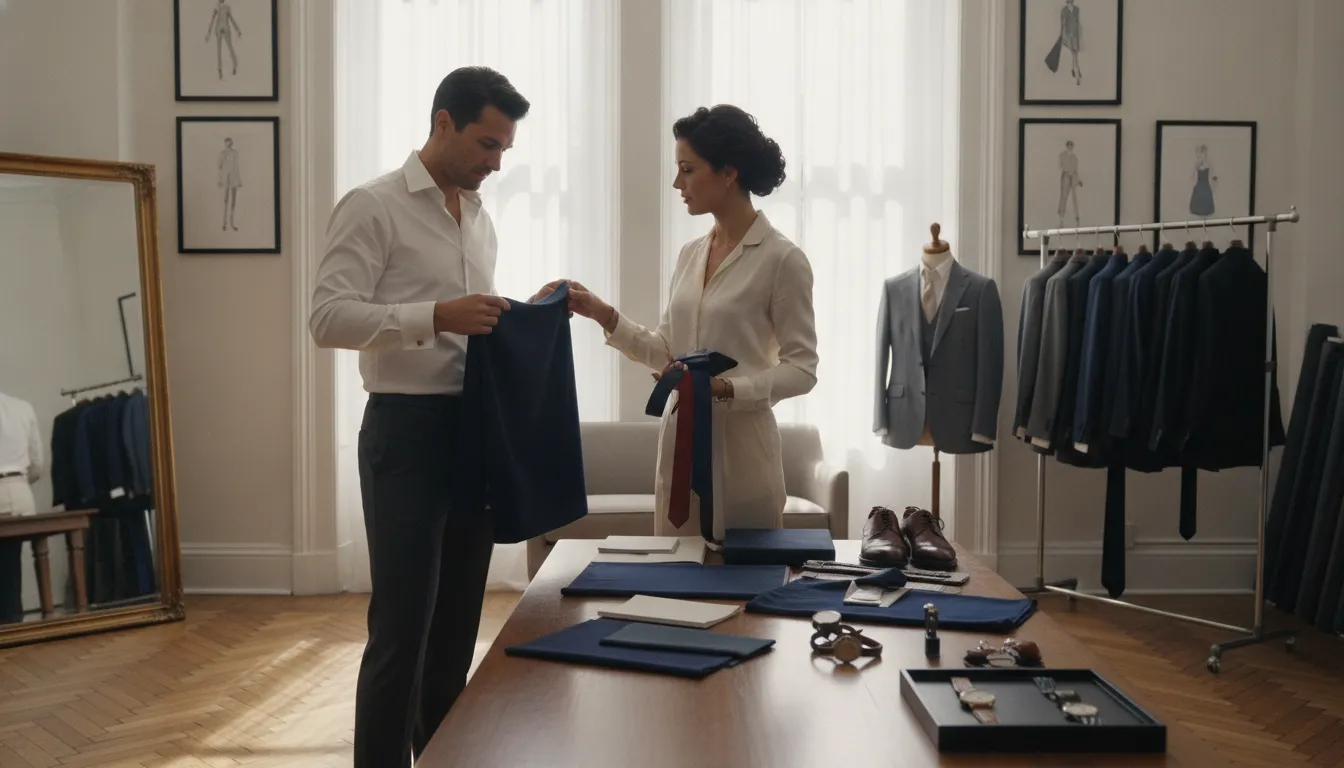
The right level of formality depends on context. A useful approach is to consider four signals: the event time, the venue, the invitation language, and the people you will be with. Evening events, formal hotels, and invitations that use phrases such as “cocktail reception” or “festive cocktail” generally support a darker, sharper look. Daytime events, outdoor venues, and creative settings may allow more color and texture.
When a tie is the better choice
Wear a tie when you would rather be slightly more polished than slightly too casual, especially for an evening wedding, professional fundraiser, or event at a formal venue. A knit, grenadine, or softly textured tie can feel less corporate than a high-shine silk style while still completing the outfit.
When a jacket without a tie can work
A jacket without a tie can be appropriate for a relaxed cocktail gathering, a warm-weather celebration, or a creative venue. The outfit still needs visual structure. Choose a well-pressed shirt, refined shoes, and trousers that are clearly tailored rather than casual five-pocket pants or denim.
Which Colors and Fabrics Work Best?
Navy, charcoal, medium gray, and deep brown are reliable foundations because they adapt to different venues and accessories. Richer tones such as forest, burgundy, or muted plum can work for a festive event when the cut remains sophisticated and the rest of the outfit is quiet.
Fabric changes the impression of the same color. Smooth wool can look crisp and evening-ready, while a subtle weave adds depth. Linen and linen blends can suit warmer weather, but they should be chosen with an understanding that natural texture and some wrinkling are part of their character. For cooler months, flannel, tweed, or a brushed texture can add interest without making the outfit feel informal.
Rather than choosing a fabric only because it is currently popular, consider how often you will wear it, how it works with your existing wardrobe, and whether the weight suits the venue and season. A personal styling consultation can help connect those choices to the clothing you already own.
What Should Men Avoid With Cocktail Attire?
The most common mistake is treating cocktail attire as either ordinary business clothing or an invitation to wear every formal detail at once. Avoid garments that look visibly worn, sports shoes that do not belong with the outfit, novelty accessories, and combinations that ignore the setting.
- Do not rely on an ill-fitting suit simply because its color is appropriate.
- Do not pair a formal jacket with visibly casual jeans or distressed footwear unless the invitation clearly supports that interpretation.
- Do not wear a tuxedo when the event calls for cocktail attire unless the host has requested black tie or a formal equivalent.
- Do not add multiple bold patterns, bright accessories, and statement shoes without a clear reason for the combination.
- Do not leave alterations, pressing, or shoe condition until the day of the event.
The aim is balance. Cocktail attire should communicate that you understood the occasion and took care with your appearance.
How Can a Tailor Improve a Cocktail-Attire Outfit?
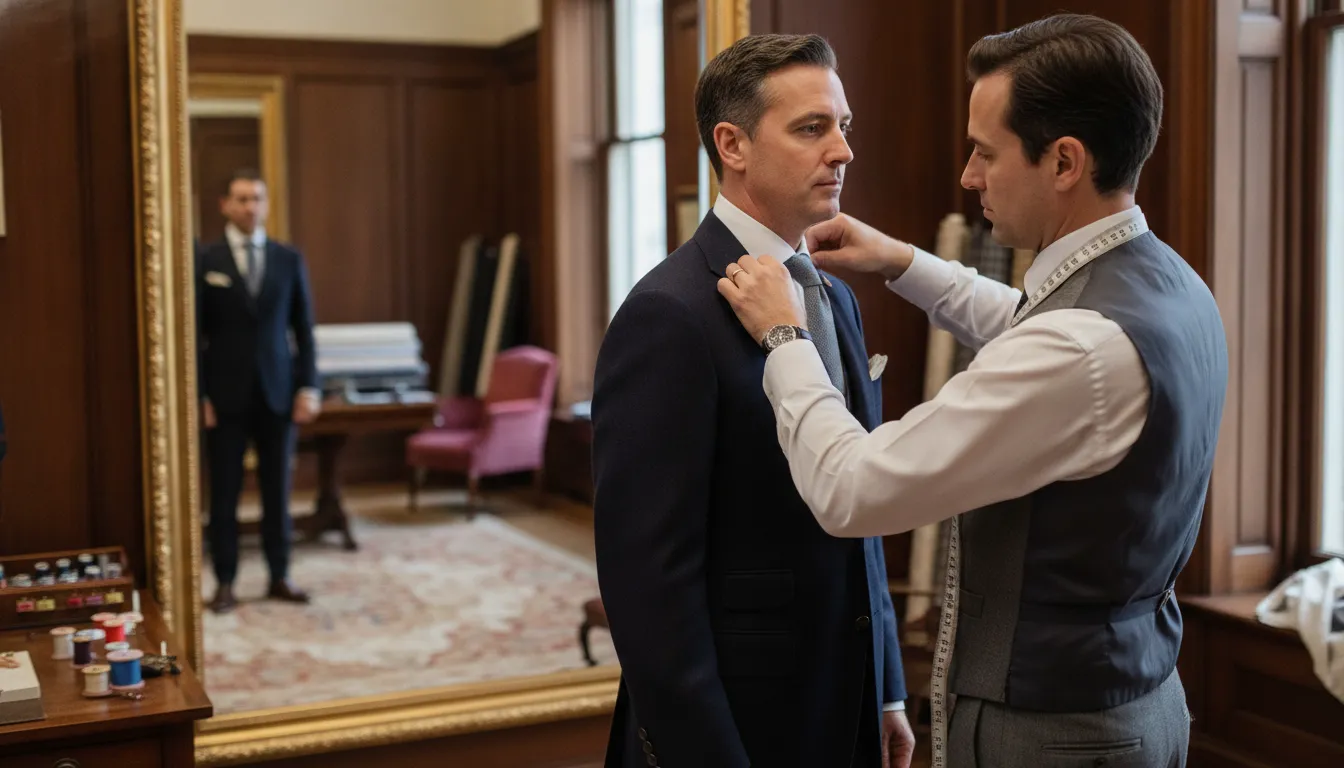
Tailoring can change how an outfit reads without changing every garment in your closet. A jacket that sits properly at the shoulders, closes without strain, and ends at a balanced point on the hand looks more intentional. Trousers that sit comfortably and fall cleanly over the shoe help the whole outfit feel composed.
When an event has special importance, custom tailoring can also help you choose fabric, construction, details, and proportions around your actual preferences and lifestyle. Pricing for custom clothing is consultation-based and depends on the fabric and customization selected, so the right first step is a conversation rather than a fixed assumption.
Trevor Furbay Bespoke brings together personal styling, custom tailoring, curated ready-to-wear, and professional fit guidance. The goal is not to make every client dress alike. It is to help each person choose clothing that suits the occasion and feels natural to wear.
How Does Cocktail Attire Change by Occasion?
For an evening wedding, a darker suit, crisp shirt, polished leather shoes, and a tie create a dependable foundation. If the wedding is outdoors or in warm weather, a lighter suit or breathable textured fabric may be appropriate, provided the outfit remains refined. When the invitation is unclear, the couple’s dress-code guidance should take priority.
For a fundraiser or business-social event, choose a suit that looks polished without becoming overly conservative. A subtle pattern, textured tie, or pocket square can add personality while preserving a professional impression. For a dinner or celebration at a creative venue, a tailored jacket and separate trousers may offer more flexibility, but the fit and footwear should remain elevated.
When the event is part of a wedding weekend, coordination matters. Guests should respect the couple’s palette and formality without trying to match the wedding party exactly. Trevor Furbay’s men’s wedding guest attire guide offers additional context for choosing a look that supports the celebration.
Frequently Asked Questions
Can men wear a suit without a tie for cocktail attire?
Yes. A suit without a tie can work for a relaxed cocktail event, especially in a warm-weather or creative setting. Keep the shirt crisp, the collar neat, and the shoes polished. For a formal evening venue, a tie remains the safer choice.
What color suit is best for cocktail attire?
Navy, charcoal, and medium gray are versatile choices that work across many cocktail occasions. Deep brown or a tasteful seasonal color can also work when the venue and invitation support it. The best color is one that suits the setting and coordinates with pieces you will wear again.
Are loafers appropriate for cocktail attire?
Polished loafers can be appropriate for cocktail attire when their shape and material suit the outfit. Leather loafers generally work well with tailored trousers or a suit. Avoid visibly casual footwear unless the invitation clearly calls for a relaxed interpretation.
Is cocktail attire the same as semi-formal?
The terms can overlap, but they do not always communicate the same expectation. Cocktail attire often allows more personality through color, texture, and accessories, while semi-formal may be interpreted more conservatively. Use the invitation, venue, and time of day to choose the final level of polish.
How far in advance should I prepare a cocktail-attire look?
Give yourself enough time to assess fit, arrange professional tailoring, and wear the outfit once before the event. For a custom garment or a major wardrobe decision, begin earlier so there is time for fabric selection, measurements, fittings, and final adjustments.
When you want help interpreting the dress code or building a look around your event, custom suit styling at Trevor Furbay Bespoke can connect the occasion, fit, fabric, and personal style into one thoughtful plan.