
The vent at the back of a jacket is easy to overlook. Yet it influences how the garment moves, drapes, and holds its shape when you sit, walk, or reach. Choosing it well means balancing comfort with the silhouette and occasions you want your wardrobe to serve.
For most clients, custom suit jacket vents should be chosen by intended use, movement needs, body, and personal style rather than by a universal rule. A single center vent feels versatile, double vents can support movement and shape, while a ventless back creates a cleaner, more formal line.
The right decision becomes clearer when you look beyond the number of openings. The placement of each vent changes the jacket’s behavior across the back, affecting visual balance, ease, and how naturally the garment follows you through the day.
How Custom Suit Jacket Vents Change Fit and Silhouette
A jacket vent is the vertical opening at the back hem that lets the coat move and fall around you. It influences more than appearance. The vent affects how the back drapes when you walk, reach, sit, and rise. So it is part of the jacket’s fit and function rather than a decorative afterthought.
Most jackets use one of three rear treatments: a single center vent, two side vents, or a ventless back. A single vent opens at the center. Double vents open on either side. A ventless jacket has no rear opening, creating a cleaner and more uninterrupted line across the back. Each choice changes how the fabric responds to movement and how the jacket frames your silhouette.
With an opening, the jacket can separate as you sit or move, which may make the back feel more accommodating through an active day. The position of that opening also changes the visual balance. A center vent creates a straightforward, relaxed impression. Side vents can give the back a more structured outline while allowing movement at both sides. A ventless design keeps the line streamlined and formal, but may feel less forgiving when you bend, sit for a long period, or move frequently.
There is no universally correct number of vents. The right decision depends on your posture, proportions, routine, wardrobe, and the silhouette you want to see in the mirror. Someone building a versatile business wardrobe may prioritize ease and adaptability, while another client may prefer the uninterrupted line of a formal evening jacket. The jacket’s length, cloth, and overall fit matter alongside the vent.
That is why vent selection belongs in a guided custom tailoring process, where measurements, intended use, and finishing decisions work together. A thoughtful consultation can connect this small construction detail to the way the finished jacket actually feels and looks in your life.
Single-Vent Jackets: Versatile and Relaxed
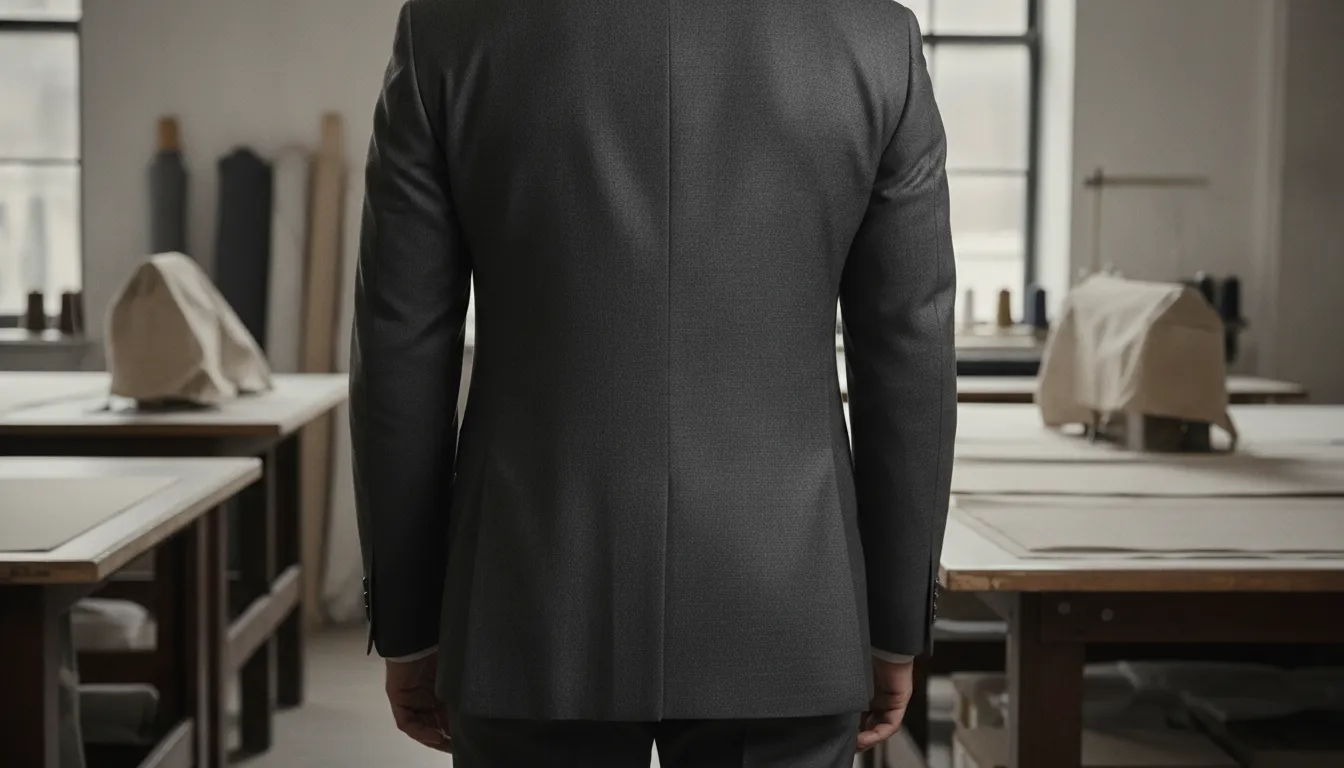
A single-vent jacket has one vertical opening at the center back. That straightforward design gives the lower jacket room to move as you walk, sit, or reach, while preserving a clean, familiar silhouette. It is often a practical choice for someone who wants one jacket to move comfortably between relaxed tailoring and business settings.
The center opening can make the jacket feel less formal than a ventless style without making it casual by definition. Its success depends on the entire garment: jacket length, shoulder line, cloth, and fit all influence how the back falls. A single vent should lie neatly when you are standing and respond naturally when you move, rather than pulling or gaping.
During custom styling, discuss how you expect to wear the jacket. If it will cover a broad range of workdays, dinners, and less formal occasions, the center vent may support that versatility. If you spend long periods seated or need more ease through particular areas, other vent arrangements may deserve comparison. The right decision is personal, not a universal ranking.
Bring the rest of the design into the conversation as well. Your custom suit style details should work with the relaxed character you want, while the cloth should suit your routine. Reviewing the custom jacket finishing decisions with an experienced tailor helps connect the vent to the finished jacket, rather than treating it as an isolated detail.
Double-Vent Jackets: Balanced Movement and Shape
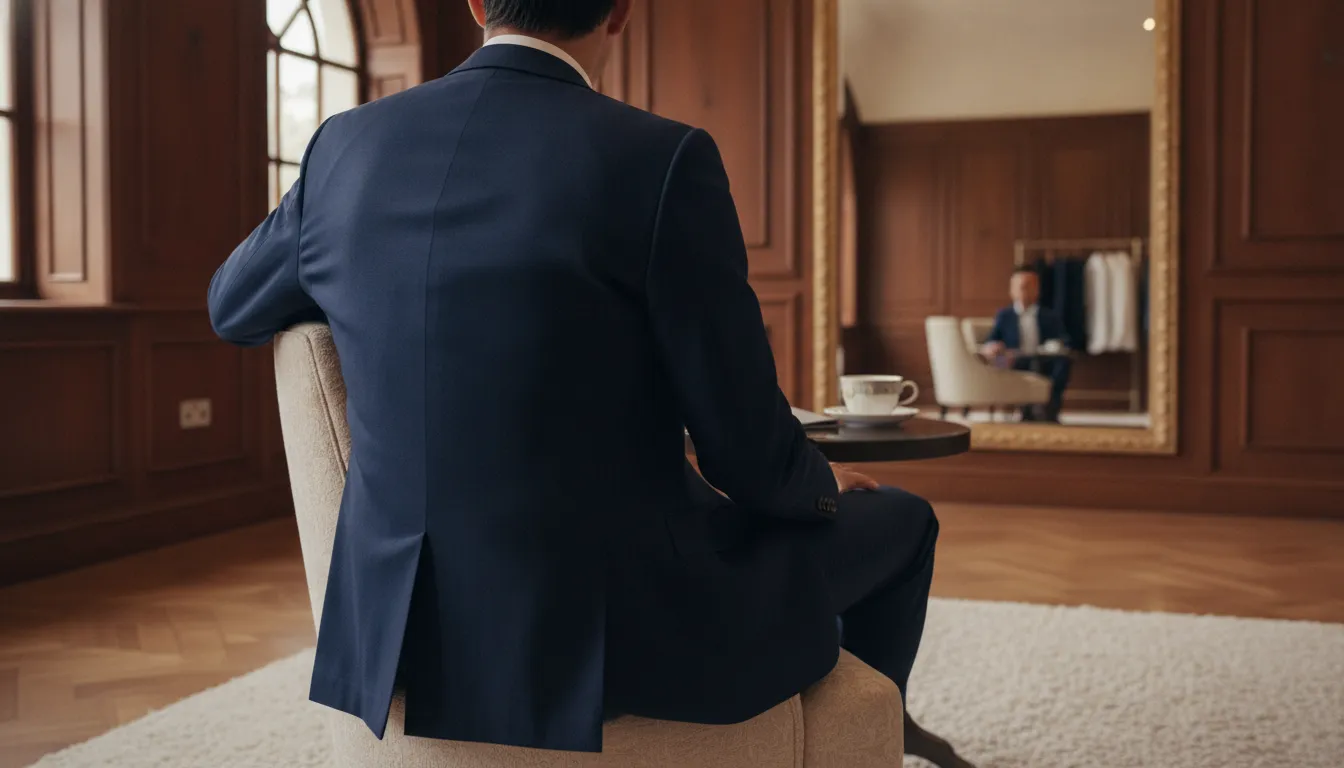
Double-vent jackets have two vertical openings, one on each side of the back. This arrangement lets the jacket respond to movement without relying on a single opening at the center. When the cut, length, and fit are coordinated properly, the side vents can help the back maintain a balanced line around the seat and hips, particularly as you walk, reach, or sit.
That does not make double vents the right answer for every wardrobe. Their effect depends on posture, proportions, jacket silhouette, and how actively the garment will be worn. They can offer useful ease while seated because the center back remains covered, while the side openings allow the hem to separate more naturally. A fitting helps determine whether that movement looks relaxed and intentional rather than loose.
| Option. | Opening. | Movement tendency. | Visual effect. | Common use tendency. |
|---|---|---|---|---|
| Single vent. | One opening at center back. | Relaxed movement through the center. | Casual, straightforward line. | Versatile everyday tailoring. |
| Double vents. | One opening on each side. | Useful ease while walking or sitting. | Balanced line around the seat. | Polished work and adaptable tailoring. |
| Ventless. | No rear opening. | Less forgiving during movement. | Clean, uninterrupted back line. | Formal or deliberately streamlined looks. |
Think of double vents as one part of a larger design conversation. Cloth, jacket length, button stance, and the intended silhouette all influence the result. Reviewing custom suit style details alongside personalized fitting and craftsmanship can help you see how these choices work together. The goal is not to follow a rule, but to select the opening that supports your movement and the way you want the jacket to look in real life.
Ventless Jackets: Clean, Formal, and Intentional
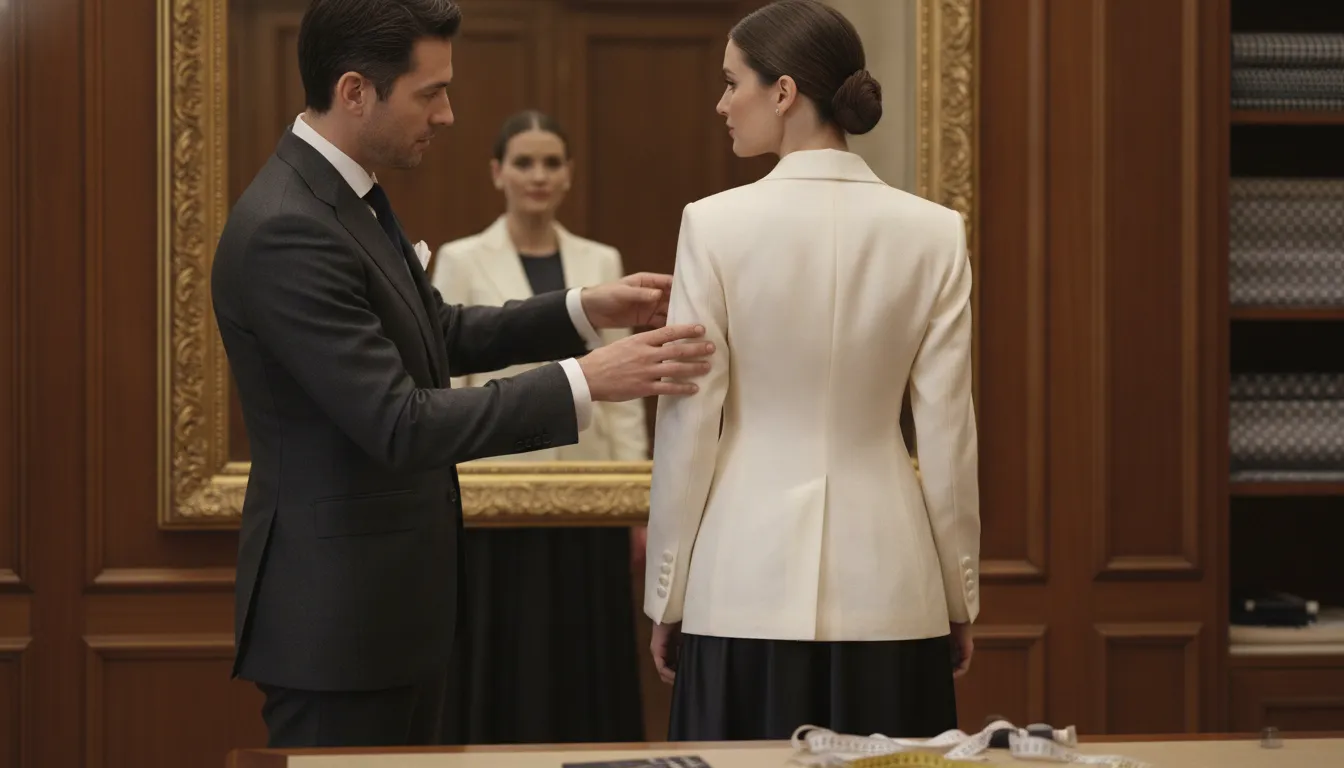
A ventless jacket has no vertical opening at the back hem. That uninterrupted line creates a streamlined silhouette with a particularly clean, formal presence. It can feel elegant when the goal is a composed jacket that stays visually quiet and lets the cloth, proportions, and overall styling carry the impression.
The tradeoff is practical rather than stylistic. Without an opening to release tension, the back can feel less forgiving when you reach, walk with purpose, or remain seated for a long stretch. The jacket may pull or bunch sooner than a style with a center or side vent, especially when the fit, posture, or jacket length does not suit the wearer. That does not make ventless tailoring uncomfortable by definition. It means the choice deserves careful evaluation during measurements and fittings.
Is a ventless jacket outdated?
Not necessarily. Ventless is best understood as an intentional design choice, not a trend that has expired. Its formal, uninterrupted appearance can suit evening dressing, refined minimalism, or a wardrobe built around a precise silhouette. The more useful question is whether that visual effect supports how you plan to wear the jacket. If you commute, move frequently, or spend much of the day seated, you may prefer the added give of an opening. If the jacket will be worn in more controlled settings, its restraint may be exactly what you want.
During custom suit styling, the decision can be considered alongside your posture, routine, preferred formality, and the way the jacket should look in motion and at rest. There is no universal best number of vents. The right choice is the one that makes the silhouette feel deliberate without asking the garment to work against your lifestyle.
Which Vent Style Works Best for Your Body and Routine?
The right vent is less about following a rule for a particular body type and more about observing how your jacket needs to behave. Consider your posture, the way you sit, your daily movement, and the silhouette that feels most like you.
Start with movement and posture
If you sit often or move between meetings, watch the back as you bend, sit, and stand. A double vent can offer useful ease around the seat and hips while allowing the jacket to retain a composed line. A single vent may suit a more relaxed, versatile wardrobe. Ventless tailoring can look especially clean, but its uninterrupted back may feel less forgiving during extended sitting or active movement.
Your natural posture matters as well. Rather than trying to disguise your proportions, a tailor can assess how the jacket falls from the shoulders through the back and make the vent choice part of the overall fit conversation. The goal is a balanced silhouette that feels comfortable in real use, not only in a fitting-room mirror.
Match the vent to your wardrobe
Think about where the jacket will travel. A frequently worn business jacket may benefit from movement and versatility, while an evening or especially formal garment may call for a cleaner, more uninterrupted line. The fabric influences that decision too: when you choose fabric for a custom suit, consider its drape, weight, season, and the routine the finished jacket must support.
There is no universal winner among custom suit jacket vents. The most useful choice brings together your preferred silhouette, sitting habits, travel demands, and the rest of your wardrobe. A consultation grounded in personalized fitting and craftsmanship can evaluate those details together, so the vent works as part of a finished jacket rather than as an isolated style decision.
How Vent Choice Changes for Work, Weddings, and Travel
There is no universal winner among single, double, and ventless backs. The right choice depends on how the jacket will be worn, how much movement the day requires, and the silhouette you want to present. Fabric, jacket length, and fit matter just as much as the vent itself, so the same preference may work differently across two garments.
Workdays and commuting
For a work jacket, consider the full rhythm of the day rather than only the time spent standing in front of a desk. A jacket that must move between meetings, commuting, sitting, and walking benefits from a vent decision that supports comfortable movement without disturbing the line of the garment. A double vent can offer useful ease while seated, while a single vent may suit a more relaxed, versatile wardrobe. The jacket’s length and fit should be assessed at the same time, since a vent cannot compensate for a jacket that pulls or settles poorly elsewhere.
Cloth also changes the experience. A lighter, more mobile fabric may call for a different balance than a structured cloth intended to hold a formal shape. Before choosing the back treatment, consider how you choose fabric for a custom suit and where that garment will fit in your working wardrobe.
Weddings and formal events
Wedding attire calls for coordination between the venue, ceremony, photographs, and reception. A clean ventless line can support a highly formal look, while a double or single vent may better suit a celebration that involves extended movement and mingling. The best decision follows the groom’s styling, the jacket’s proportions, and the comfort needed throughout the event. Trevor Furbay’s wedding tailoring process gives those details room to work together rather than treating the vent as an isolated choice.
Travel and long days
Travel puts fit and movement under more pressure. Sitting for long periods, carrying luggage, and moving through a busy day can expose tension at the back of a jacket. A vent that allows the garment to behave naturally may be more useful than one chosen only for its formality. Review the intended use, preferred silhouette, and seated posture together, then make the choice during fitting. That decision-led approach keeps custom suit jacket vents connected to the life of the jacket, not just its appearance on a hanger.
How a Custom Tailor Helps You Finish the Jacket
Choosing a jacket vent is not an isolated detail. In a custom appointment, it becomes part of a broader conversation about your wardrobe, your daily routine, and the impression you want the finished jacket to make. A tailor can listen for the occasions you have in mind, then connect that preference with the rest of the garment rather than treating the vent as a default selection.
Trevor Furbay Bespoke brings more than 25 years of fashion-industry experience to that conversation. The process includes style and fabric selection, measurements, fittings, and finishing decisions. You can explore the custom jacket finishing decisions involved in creating a garment that feels considered from the first consultation through delivery.
Consultation makes the choice personal
An in-person consultation gives your tailor useful context that a generic recommendation cannot capture. You can discuss how often you wear jackets, how you move through a typical day, which garments already work well in your wardrobe, and whether you prefer a quieter or more defined silhouette. Those details help shape a decision that feels natural on you, not simply correct in theory.
Fittings refine the final impression
Measurements and fittings provide opportunities to assess the jacket as a whole. The tailor can review proportion, balance, comfort, and how the garment settles while you stand and move. Finishing choices are then considered alongside the jacket’s other style details. Trevor Furbay’s personalized fitting and craftsmanship reflects this hands-on approach.
Clients can experience the flagship in Cincinnati, arrange an appointment in Columbus/Dublin, or visit Harbor Springs seasonally. Wherever the consultation takes place, the goal is a jacket finished with purpose and suited to the way you dress.
Frequently Asked Questions
What do vents do in a suit jacket?
Vents are vertical openings at the back hem. They help the jacket move and fall more naturally, especially when you sit, walk, or place your hands in your pockets. Their position also changes the jacket’s visual line.
What is the difference between single and double vents?
A single vent has one opening at the center back, while double vents have an opening on each side. Single vents offer a versatile, relaxed feel. Double vents can provide useful ease while sitting and moving, and they help the jacket stay composed around the seat and hips.
Are ventless suit jackets outdated?
No. A ventless jacket is an intentional choice that creates a clean, uninterrupted back line and a more formal silhouette. Because it has no rear opening, it may feel less forgiving during active movement or extended sitting, so it works best when that streamlined effect is the priority.
Why are suit jacket vents sewn shut?
New jackets may have temporary tacking stitches that hold the vent closed during transport, display, and fitting. The stitches are not the finished design. Have a tailor confirm the fit and finish before the jacket is worn, rather than attempting an alteration at home.
How should I choose vents for my use or body?
Start with how you will wear the jacket, how much you sit or move, and whether you prefer a relaxed or uninterrupted silhouette. Double vents may suit clients who want more ease around the seat and hips, while single or ventless styles may better match different wardrobe and occasion preferences. A fitting helps refine the choice for your proportions and posture.
Ready to Choose Your Custom Suit Jacket Vents?
The right vent style should support how you move, dress, and want your jacket to look over time. A personal review of your proportions, routine, and wardrobe can make that decision feel clear, while keeping the finished jacket balanced and comfortable. When you are ready, talk with Trevor Furbay’s team about the details that will make your custom jacket feel distinctly yours.