
Custom suit pocket styles can change the balance, formality, and everyday usefulness of a jacket, even when the fabric and color stay the same. For a versatile business suit, flap pockets are a dependable starting point; for a dressier look, consider jetted pockets; and for a relaxed sport coat, patch pockets often feel at home. The best choice depends on where you will wear the garment and what you want it to communicate.
What should suit pockets do for you?
Pockets are both functional and visual. Their placement and shape create horizontal lines across the jacket, while their construction can make the garment read as formal, businesslike, or casual. They also need to work with your routine. Think about whether you carry a handkerchief, business cards, or small personal items, and whether you prefer a clean front that stays uncluttered.
A useful choice starts with three questions: What occasions will this suit serve? How often do you expect to use the pockets? What overall impression do you want? A jacket intended for frequent office wear may call for a different balance than a special-occasion garment or a sport coat worn with separate trousers. You can explore the broader possibilities of custom suits and bespoke tailoring before narrowing down these details.
Keep proportion in mind, too. The pockets should feel in keeping with the jacket’s lapels, fabric, and intended use. A bold texture or casual fabric may look natural with a more relaxed pocket treatment. A smooth, formal cloth often benefits from a quieter finish. No pocket choice works in isolation; consider it as one part of the whole garment.
How do the main lower-pocket styles differ?
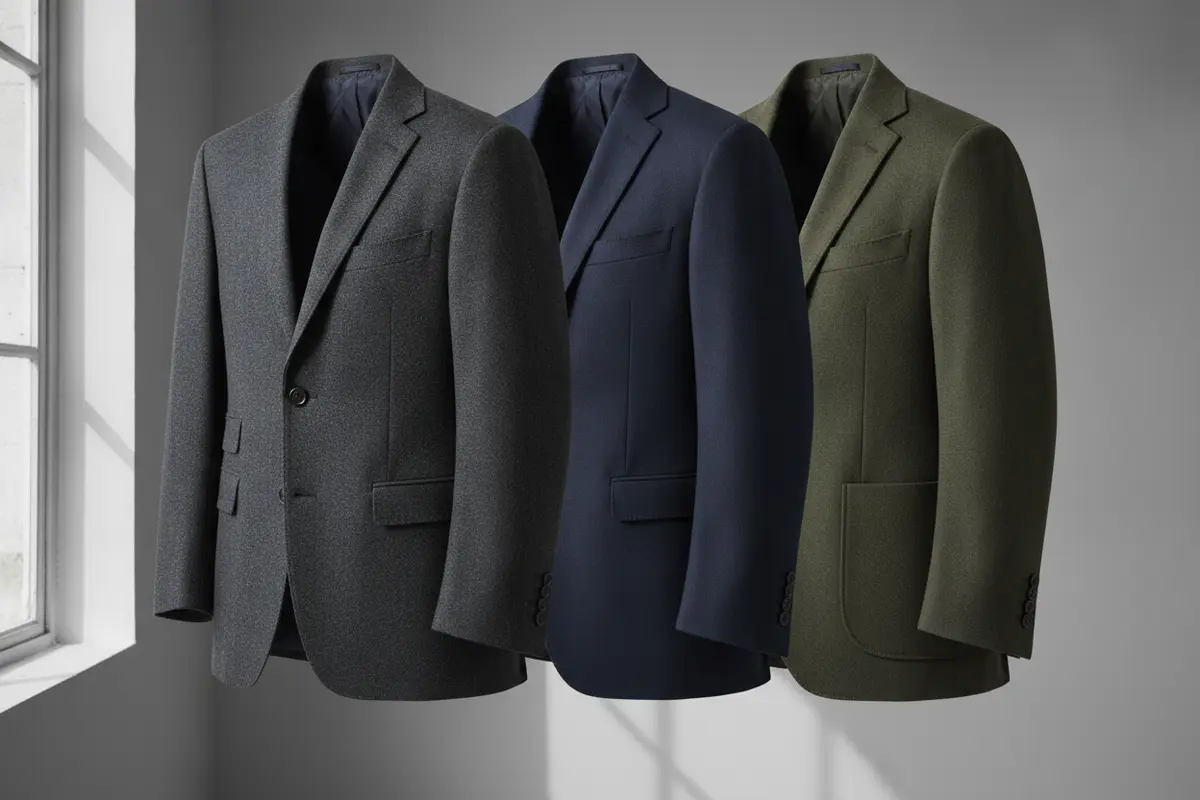
The lower pockets are the two pockets on the front of the jacket, below the waist. Most custom decisions begin with three common options: flap, jetted, and patch. Each changes the jacket’s appearance in a distinct way.
| Pocket style | Appearance | Typical impression | Consider it for |
|---|---|---|---|
| Flap | A pocket opening covered by a fabric flap | Versatile and businesslike | Frequent office wear and a first custom suit |
| Jetted | A narrow, clean opening with no flap | Dressy and streamlined | Formal occasions or a minimal jacket front |
| Patch | A separate piece of fabric attached to the outside | Relaxed and visibly casual | Sport coats and informal combinations |
Flap pockets: when does the classic choice make sense?
A flap pocket has a fabric cover that sits over the opening. It is a familiar choice for business and everyday suits because it offers a composed look without feeling overly formal. The flap adds a small visible detail, while the pocket still follows the clean lines of the jacket front.
Choose flap pockets when you want one jacket to move among professional settings, dinners, and occasions that call for a polished appearance. They pair easily with a restrained breast pocket and classic styling. If you want to keep the jacket especially streamlined for a dressier event, ask how the flap option compares with jetted pockets in the fabric and design you are considering.
Flaps can usually be tucked into the pocket opening for a cleaner presentation, but the garment should be worn as intended and handled with care. Ask your clothier how the particular pocket is designed and whether changing its appearance is appropriate. The goal is not to create a new style every time you wear the jacket; it is to choose details that suit its main purpose.
Jetted pockets: what makes them feel dressier?
Jetted pockets have a narrow opening finished with slim strips of fabric, without an outer flap. The result is a smooth, quiet line across the jacket. This simplicity often suits more formal garments, where you want the fabric and overall silhouette to remain the focus.
Jetted pockets can be a strong choice for a special-occasion suit or a jacket intended for evening wear. They can also suit a client who prefers minimal detailing. Because the opening is less visually pronounced, think about how often you need a practical, easy-to-reach exterior pocket and whether the garment’s intended use calls for that cleaner look.
Do not assume that every jacket with jetted pockets is automatically formal. The full impression also depends on cloth, color, lapel, buttons, and the way you plan to wear the garment. Talk through those details together. A custom styling consultation can help you evaluate the jacket as a whole rather than selecting details one at a time.
Patch pockets: when is a more casual look right?
A patch pocket is sewn onto the outside of the jacket, so its outline is visible. It can give a sport coat a relaxed, approachable character. Depending on the cloth and shape, patch pockets may feel practical and informal without sacrificing thoughtful tailoring.
Consider patch pockets for a jacket you will wear with separate trousers, chinos, or other less formal pieces. They are especially worth discussing when the garment is meant to work as a versatile sport coat rather than as part of a matched suit. The design should complement the fabric: a textured or casual cloth may support a visible patch, while a dressier cloth may call for a subtler treatment.
Because patch pockets are part of the jacket’s exterior, their size and placement are easy to notice. Ask to compare the pocket proportions against the lapel width and the jacket’s overall shape. You can also look at custom jackets and sport coats for a sense of how a separate jacket differs in purpose from a suit coat.
What does a ticket pocket add?
A ticket pocket is a smaller pocket placed above one of the lower pockets, traditionally on the right side of the jacket. It adds an extra horizontal detail and creates an unmistakable layered effect. On some jackets, it feels like a thoughtful nod to classic tailoring; on others, it may be more detail than the wearer needs.
Consider a ticket pocket when you like the look and expect to use the extra compartment. It may suit a business wardrobe or a tailored jacket with a traditional character. If you want a very clean front, prefer minimal detailing, or expect to wear the garment for more formal occasions, compare the design without it before deciding.
There is no need to add a ticket pocket simply because it is available. Ask yourself whether it supports the jacket’s purpose and whether its extra line works with the rest of the design. A single additional pocket can make a jacket feel more distinctive, so it deserves the same consideration as the main pockets.
How should you choose a breast pocket?
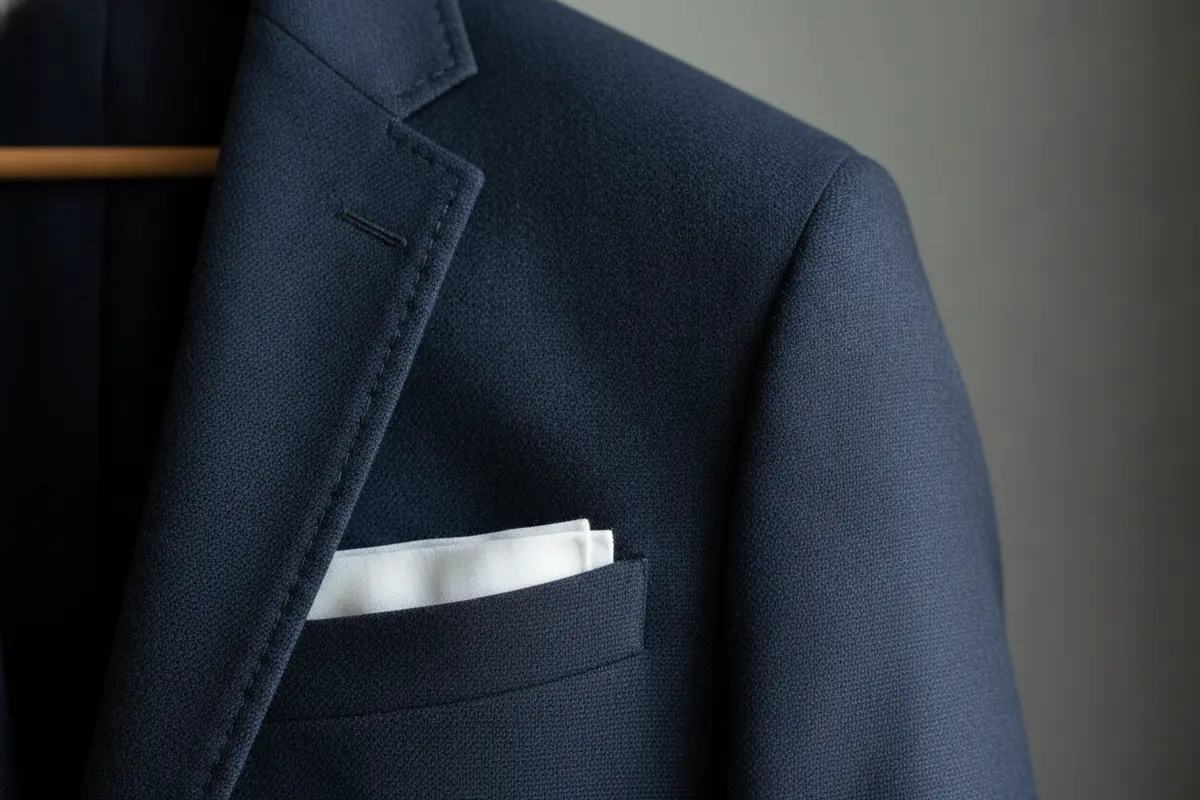
The breast pocket sits high on the jacket’s left side and is usually finished as a welt: a narrow, clean opening rather than a large exterior patch. It gives you a place to carry a pocket square and adds a visual counterpoint to the jacket’s lower pockets.
For a suit intended to work across many settings, a simple breast welt is an adaptable option. It can be left empty for a quieter look or used with a pocket square when the occasion calls for more expression. The square does not have to match a tie exactly; a color or texture that relates to the rest of the outfit can feel more natural than a perfectly identical set.
If you rarely wear a pocket square, you can still choose the pocket for its shape and balance. Ask how its width and angle will appear with the lapel. The breast pocket is close to the face, so a small change can affect how the jacket reads in photographs and conversation.
How do fabric and occasion shape the decision?
Start with the garment’s main job, then see which pocket treatment supports it. A business suit often benefits from practical, restrained details. A dinner or formal suit may call for a cleaner front. A sport coat has more room for visible texture and relaxed construction. These are useful starting points, not inflexible rules.
- For a first or frequently worn business suit: Compare flap pockets with a simple breast welt. This combination is adaptable and does not make a strong statement.
- For a dressier suit: Consider jetted lower pockets and minimal extra details. Evaluate the fabric, lapel, and occasion together.
- For a separate sport coat: Look at patch pockets if you want a relaxed appearance that works with different trousers.
- For a distinctive traditional detail: Try a ticket pocket only if you like its layered look and expect the jacket’s overall design to support it.
Fabric can change the effect. A fine, smooth cloth tends to emphasize clean lines, while a more textured cloth can make an exterior pocket feel more at ease. Pattern matters as well: seams and pocket edges can interrupt a pattern, so ask to see how the chosen layout will sit on the finished jacket. The way each pocket is cut and finished depends on the garment’s construction and design.
Think about the rest of the wardrobe, too. If you want the jacket to work with a matching pair of trousers, choose a pocket style that feels appropriate when worn as a suit. If you expect to separate the jacket from its trousers, a more casual detail may make that easier. The custom casual clothing options can help you think through a relaxed wardrobe alongside more formal tailoring.
Which pocket details are practical in daily wear?
Exterior pockets are useful, but they can change the jacket’s shape when filled. A phone, wallet, or bulky set of keys can pull on the fabric and create visible distortion. Use jacket pockets for light items when appropriate, and avoid treating a tailored jacket as a substitute for a bag. Keeping the pockets relatively light helps preserve a composed appearance.
Consider what you actually carry. Someone who keeps a handkerchief close may appreciate an accessible breast pocket. Someone who values a smooth jacket front may prefer not to fill the lower pockets. A ticket pocket is worthwhile only if its position and size suit something you regularly carry; otherwise, it remains a decorative detail.
Fit and pocket placement should be considered together. The finished garment needs to look balanced when it is buttoned and when it is open. During the fitting, check that the pockets sit naturally and that the design feels comfortable in the positions you use most. If you are planning a complete wardrobe, custom trousers can also be selected to work with the jacket’s intended use.
What should you compare at a custom tailoring consultation?
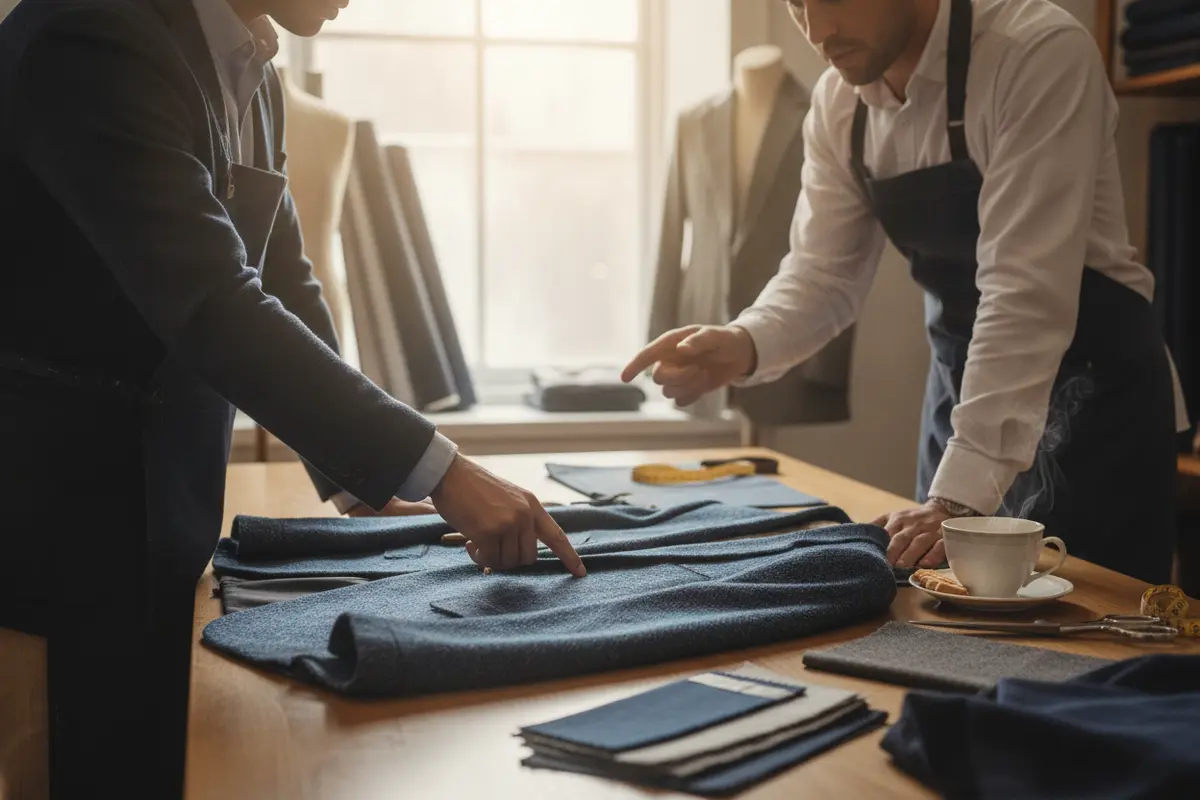
Arrive with a clear idea of how you plan to wear the suit, but keep an open mind about the details. Bring examples of jackets you already enjoy wearing or describe the settings where the new garment will appear. Your clothier can then help compare pocket options in context instead of treating each one as an isolated trend.
- Describe the use. Explain whether the suit is for regular work, a wedding, travel, evening events, or several purposes.
- Identify your preference. Say whether you lean classic, minimal, or relaxed, and whether you want the jacket to work separately.
- Compare the front. Look at flap, jetted, or patch pockets with the lapel, fabric, and overall proportions in mind.
- Discuss added details. Decide whether a ticket pocket or pocket square will support the design rather than add detail for its own sake.
- Ask about use and care. Clarify how to use the pockets and how the garment should be cared for. For maintenance or fit adjustments, seek professional guidance rather than attempting repairs at home.
Custom tailoring is a collaborative process. The final choices can depend on the fabric and the design you select, so pricing is discussed through consultation rather than assumed from a pocket detail alone. If you are building a wardrobe for a specific event, a wedding attire consultation can bring the event, timeline, and clothing details into one conversation. You can also review custom tuxedo options if the occasion calls for evening formalwear rather than a suit.
Do pocket angle and placement affect the look?
Yes. Besides deciding whether a pocket is flap, jetted, or patch, consider the direction of its opening and how it sits on the jacket. A straight lower pocket gives the front a measured, orderly appearance. An angled opening can add movement and may feel more relaxed or traditionally tailored. The difference is subtle, but the pair of lines can change the impression of the jacket when viewed from across a room.
Look at both lower pockets together rather than judging one side in isolation. Their position should feel balanced with the buttons, lapels, and jacket length. If the pocket openings sit too prominently for your taste, a simpler treatment may help keep attention on the fabric and silhouette. If you enjoy visible detail, an angled arrangement or a ticket pocket may contribute character without changing the overall purpose of the suit.
Scale matters as well. A pocket should not seem oversized or crowded against nearby design elements. That is especially important when the fabric has a noticeable pattern. The pocket edge can interrupt stripes or checks, so ask how the pattern will align across the finished front. Pattern placement and pocket proportion are decisions to review with the clothier; they should support the garment, not compete with the lapel.
Also consider how you usually stand and move. Pocket openings should feel accessible without making you want to load the jacket with bulky items. When you try on the garment, view it both buttoned and open, and notice whether the pockets draw the eye where you want it to go. You can compare the jacket with the shirts and trousers you plan to wear most often. A choice that looks appealing on a swatch or sketch should still feel right as part of a complete outfit.
There is no universal pocket layout that flatters every wearer or serves every occasion. Use the consultation to compare a few deliberate alternatives: for example, flap pockets with a straight opening for a classic business suit, or patch pockets with a more relaxed treatment for a separate sport coat. This keeps the conversation focused. You are weighing meaningful options, not trying to combine every detail available.
How can you make the final choice?
Choose pockets by prioritizing the jacket’s purpose, then refine the look according to your personal taste. Flap pockets are a reliable option for a versatile suit. Jetted pockets offer a cleaner, dressier line. Patch pockets lean casual and often suit a separate sport coat. A ticket pocket adds character, while a breast welt offers a useful place for a pocket square and a balanced point of detail.
If you are uncertain, begin with the most adaptable design that suits your wardrobe and compare alternatives during a fitting or style conversation. You do not need to use every available feature. Thoughtful restraint can make a suit easier to wear for years, while a well-chosen detail can make it feel unmistakably yours.
Frequently Asked Questions
Are flap pockets or jetted pockets more formal?
Jetted pockets generally create a cleaner, dressier appearance because they have no flap. Flap pockets are versatile and common for business and everyday suits. The fabric and full design also shape the formality, so consider them together.
Are patch pockets appropriate on a suit?
Patch pockets are most often associated with a relaxed jacket or sport coat. They can suit a more casual tailored look, especially when the jacket is intended to be worn with separate trousers. Discuss the fabric and intended use before choosing them for a matched suit.
What is the purpose of a ticket pocket?
A ticket pocket is a small extra pocket above one of the lower jacket pockets. It adds a traditional visual detail and a separate compartment. Choose it because you like the look or have a use for it, not because you feel every jacket needs one.
Should I put a pocket square in the breast pocket?
A pocket square is optional. The breast pocket can remain empty for a restrained look or hold a square when you want to add color or texture. Coordinate it with the rest of the outfit without feeling obliged to match a tie exactly.
Can I change the pocket style after the jacket is made?
Pocket construction is part of the jacket’s design, and changing it later may not be straightforward. Decide on the details during the custom process and ask your clothier about the specific garment before expecting an alteration.
A considered pocket choice brings function and style together, giving your custom jacket details that feel right for the way you dress.