
Good custom tailoring consultation questions help you leave an appointment with more than a favorite fabric. They clarify what you need the garment to do, how it should fit, which choices matter most, and what to expect next. Bring an upcoming occasion, a few wardrobe goals, and the questions below; a thoughtful conversation can make custom tailoring feel personal and practical.
What should you decide before the consultation?
You do not need to arrive with every design decision made. The consultation is a chance to explain your needs and explore options with a clothier. A little preparation helps make that conversation more useful.
- Name the purpose. Is the piece for work, a wedding, travel, frequent events, or everyday wear? If it needs to serve several purposes, say which one matters most.
- Think about your real routine. Consider how often you will wear it, what you do in it, and whether you need to move comfortably, sit for long periods, or travel in the garment.
- Bring examples. A current jacket, a photo of an outfit you like, or a note about a fit problem can communicate more clearly than a general request to look sharper. Bring garments you already wear with the new piece if coordination matters.
- Set priorities. Decide where you are willing to be flexible. You might care most about a versatile color, comfort, a particular silhouette, or a detail that makes the piece feel distinctive.
- Share your timing. Mention the date you need the garment and any travel or event milestones. Timing can shape which options make sense.
For a wedding, begin the conversation four to five months before the date. That gives you room to discuss the event, make selections, complete measurements and fittings, and confirm the final garment before the celebration. If you are planning a groom’s look, the custom tuxedo service is one place to explore the formalwear direction.
How can you organize your priorities?
Before the appointment, sort your notes into three levels. First, write down what the garment must do. That could be appropriate for a particular dress code, comfortable for a full day, or coordinated with clothes you already own. Second, list the preferences you would like to explore, such as a certain color, texture, or silhouette. Third, note the points where you are open to guidance. This distinction helps the clothier understand what is essential and where there is room to consider alternatives.
It can also help to describe one successful outfit and one that has not worked for you. Be precise about why. “I want to look more polished” is a useful intention, but it becomes more actionable when you add that your current jacket feels restrictive across the shoulders or that you need a suit that works with several shirts. You do not need the technical term for the fit issue; describing what you feel and when you notice it gives the clothier a starting point.
If another person is involved in the decision, such as a partner planning a wedding or a colleague coordinating an event, gather the details that affect the garment before you meet. A dress code, date, venue, and color direction can help focus the conversation. Still, be clear about your own preferences and comfort. A good plan should account for the occasion and the person who will wear the clothes.
Which questions reveal whether the garment suits your needs?
Start with purpose and wearability before getting absorbed in small details. Ask questions that connect the garment to your day-to-day life.
- “Based on how I plan to wear this, what kind of garment would you recommend?”
- “Could this work for both the office and occasions outside work, or would a separate piece be more versatile?”
- “What should I consider if I want to wear it throughout the year?”
- “How will this work with the shirts, trousers, or shoes I already own?”
- “What would you change if comfort and ease of movement are my top priorities?”
- “Which choices will make the biggest difference to how often I wear it?”
These questions help frame the appointment around your wardrobe rather than an isolated garment. A custom jacket, for example, should make sense with the trousers and shirts you expect to pair with it. A suit intended for frequent professional wear may call for different choices from a one-time formal outfit. If you are deciding between a suit and separates, ask the clothier to explain the practical differences for your plans.
Bring a garment that fits the way you like, even if it is not perfect. Explain what works and what does not. The clothier can use your feedback as a starting point without assuming that the old garment should be copied exactly.
What should you ask about fit and measurements?
“Will it fit?” is only the beginning. Fit involves proportion, comfort, posture, and the way you move. Ask the clothier to explain what they are evaluating and how the intended use affects the shape.
- “Which areas will you assess most carefully for this garment?”
- “How should the jacket or trousers feel when I sit, reach, and walk?”
- “What details of my posture or proportions influence the fit?”
- “How much ease do you recommend for the way I expect to wear it?”
- “What adjustments can be considered at a fitting, and which decisions need to be made now?”
- “How many fitting appointments should I expect for this order?”
Ask the clothier to describe the balance of the garment in language you understand. For a jacket, that may include the shoulders, chest, waist, sleeve length, and overall length. For trousers, discuss the rise, waist, seat, leg shape, and break. The right result is not simply a narrow silhouette; it should look intentional and feel comfortable for its purpose.
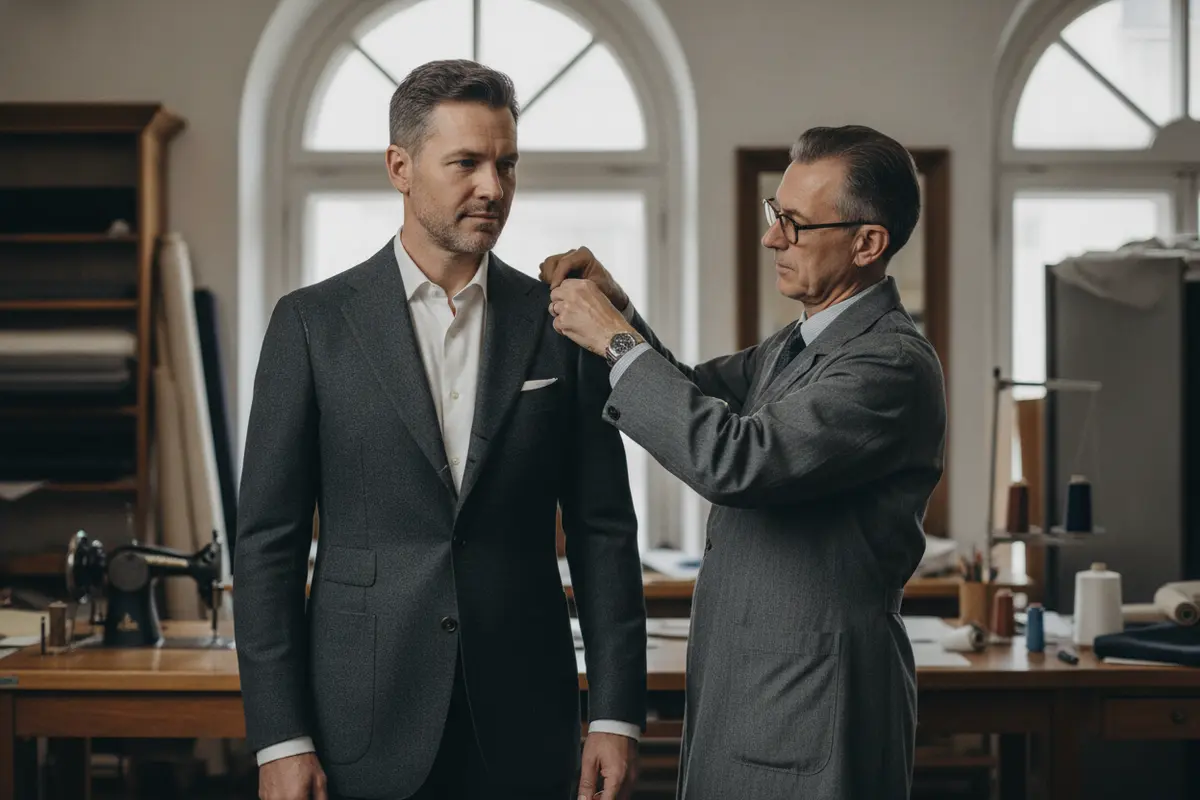
Be specific about discomfort or past fit frustrations. Perhaps ready-to-wear sleeves often feel too long, trousers pull when you sit, or a jacket feels restrictive when you reach forward. Explain when the issue occurs. That detail helps guide the discussion. A consultation is also the time to ask what cannot be changed later, so expectations are clear before you commit to a design.
If you are considering a suit, review the custom suits and bespoke tailoring information, then bring questions about the fit and purpose that matter to you. For a separate tailored layer, ask about the options on the custom jackets and sport coats page.
How can you compare fabric choices?
A fabric swatch can look different in a book than it does in daylight or as part of a finished garment. Ask to handle the options and talk through weight, texture, drape, pattern, and season. The aim is not to choose the most impressive-sounding cloth. It is to choose one that matches the garment’s purpose and your preferences.
- “How will this fabric feel and drape when made into the garment I have in mind?”
- “Would you consider this suitable for the season and the settings where I will wear it?”
- “How does its texture or pattern change the formality of the look?”
- “Which option will coordinate most easily with my existing wardrobe?”
- “What care should I expect, and are there trade-offs I should understand?”
- “Can I compare these choices side by side in a different light?”
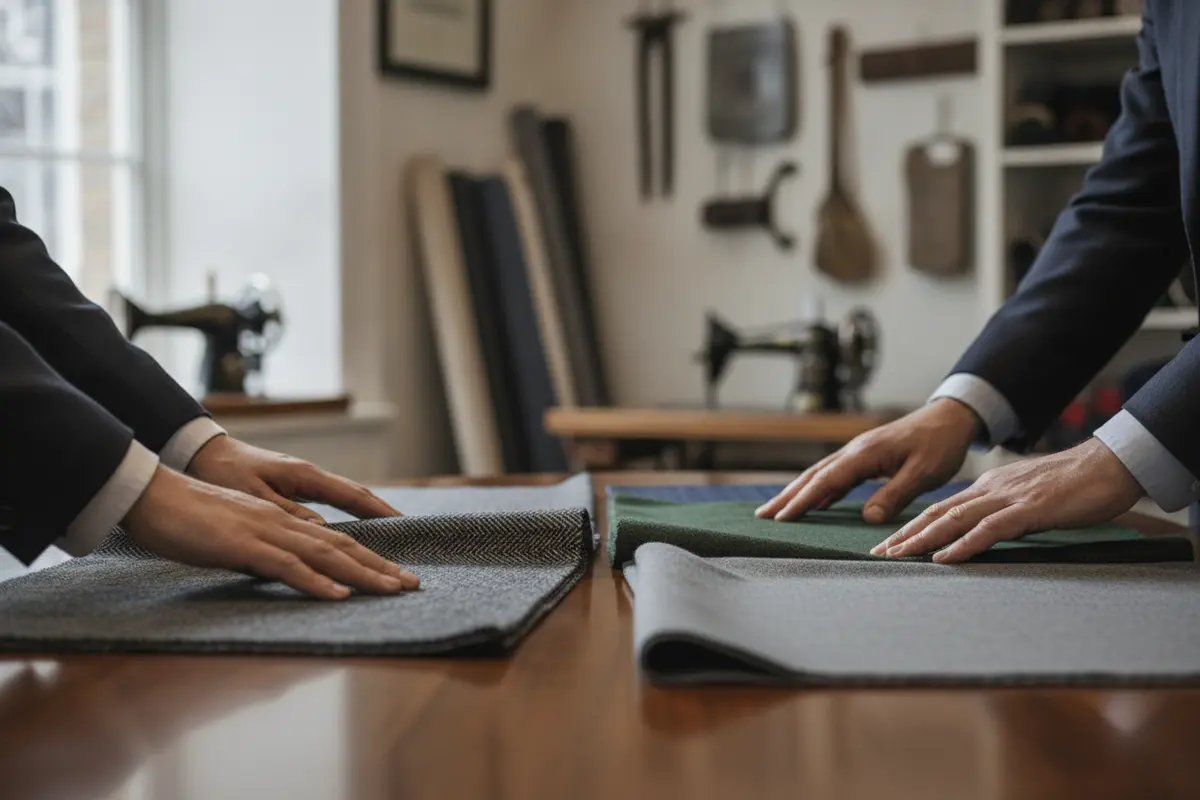
Ask the clothier to explain the differences between two or three options you actually like. Comparing a small, useful group is often easier than trying to evaluate every available direction. If you have a favorite color or pattern, consider whether it will work with your current shirts, shoes, and outerwear. A subtle pattern may be versatile from a distance but show more character up close; a textured solid can add depth without introducing another pattern.
The price of custom tailoring depends on the fabric and customization. Ask how the choices you are considering affect the investment and request a clear explanation of what is included in the quoted project. Do not assume that two garments with similar appearances involve the same fabric or construction. If you are exploring an Atelier Munro suit, ask which options are available for your needs and how the selection process works.
Which design details should you discuss?
Details can make a garment feel personal, but they work best when they support the overall purpose. Ask the clothier to distinguish choices that affect appearance from those that affect how you will wear the piece.
- “Which lapel shape and width feel balanced with this design and my proportions?”
- “Would you recommend a two-button or another front for the way I plan to wear it?”
- “Which pocket style and vents make sense for this garment?”
- “How should we think about lining, buttons, and other finishing choices?”
- “Are there details that add personality without making the garment difficult to coordinate?”
- “What would you keep simple if versatility is my main goal?”
Talk through the whole outfit, not just the jacket. A shirt collar, trouser shape, tie, shoes, and accessories can change the effect of a tailored look. If you are ordering custom trousers, use the custom trousers page as a starting point for questions about cut and wardrobe coordination. For shirts, the custom shirt service can help you explore how collar, cuff, and fabric choices relate to your needs.
Do not feel obliged to add every available feature. Ask which details will make a meaningful difference for you. If you prefer a quiet, classic look, say so. If you want one distinctive element, identify it and ask how to keep the rest of the design in balance.
How should the questions change with the garment?
The best questions depend on what you are ordering. A suit for recurring work calls for a different conversation from a wedding outfit or a sport coat intended to dress up everyday separates. Use the table as a prompt list, then ask the clothier to adapt the discussion to your wardrobe and schedule.
| Garment or purpose | Questions to prioritize | Choices to discuss |
|---|---|---|
| Work suit | How often will I wear it, and what would make it versatile? | Fabric, color, comfort through a full day, and coordination with shirts and shoes. |
| Wedding attire | How does the look fit the venue, dress code, and wedding timeline? | Formality, relationship to the wedding party, accessories, fittings, and delivery date. |
| Sport coat | Which trousers and occasions should it work with? | Texture, pattern scale, layering, and whether the jacket stands apart from a suit. |
| Custom shirt or trousers | What fit concerns or wardrobe gaps should this piece address? | Collar and cuff or rise and leg shape, plus how the piece pairs with existing garments. |
For a wedding, describe the venue, season, level of formality, and whether the wedding party has a shared style direction. You do not need to match every other person exactly, but the groom’s clothes should feel at home in the setting and in photographs. Ask how the four steps of the process will line up with your date: discovery and planning, styling and selection, measurements and fitting, then final fitting and delivery.
For workwear, describe the range of settings where you expect to wear the suit. If one day means client meetings and another means a long commute, explain both. Ask whether the same design can support those different uses, and which decision will matter most for comfort. For a sport coat, bring or describe the trousers you want to pair it with. The conversation can then focus on whether the colors and textures complement each other instead of treating the jacket as a standalone choice.
For a shirt or trousers, identify the problem you want the custom piece to solve. You might want a collar that works with several ties, or trousers that feel comfortable when seated. Explain the situation clearly and ask what options are available. The goal is to make design choices with a reason behind them, not simply to collect details.
What should you ask about price, timeline, and fittings?
Clarity about the process matters as much as the design. Because custom tailoring is consultation-based, the investment depends on the fabric and the choices made. Ask for specifics about your proposed garment rather than relying on a general estimate from another project.
- “What is the expected investment for the options we have discussed?”
- “Which fabric or customization choices account for differences in the estimate?”
- “What is included in the process, including measurements and fittings?”
- “What is the expected timeline from placing the order to completion?”
- “When should I schedule fittings, and how will I know when the garment is ready?”
- “If my event date changes, what should I contact you about right away?”
Write down the timeline you are given and share any hard deadline. Do not assume that every custom garment follows the same production schedule. For example, the company’s Atelier Munro custom tailoring partnership has a stated delivery timeline of three to five weeks, but you should confirm the current timing for your particular order and allow for the appointment and fitting process. A wedding customer should build in more room and begin four to five months in advance.
Ask what you should wear to a fitting and whether you should bring particular shoes, shirts, or accessories. The answer may depend on the garment and the look you are building. If you have questions about preparation, the guide to what to wear to a custom suit fitting can help you plan.
How can you make sure the final piece works with your wardrobe?
A successful custom garment should have a role in the clothes you already own. Bring a short list of the pieces you expect to wear with it, or photographs if carrying them is not practical. Ask:
- “Which of my current shirts and trousers will work best with this?”
- “What colors or patterns should I avoid pairing with it?”
- “Would a small change make this easier to wear in more situations?”
- “What accessories would make the look feel finished without feeling overdone?”
- “Is there another wardrobe gap I should solve before ordering this piece?”
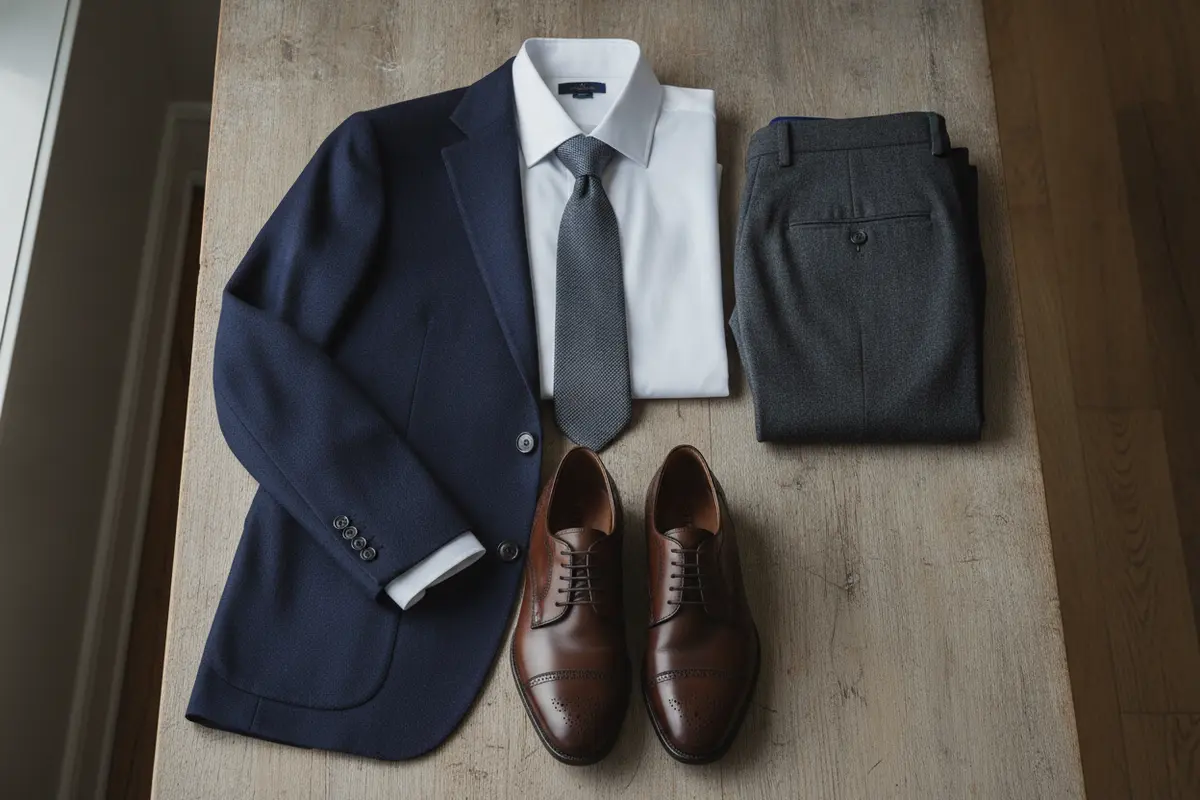
These are especially useful questions if you are building a wardrobe over time. Rather than treating every appointment as a separate purchase, consider how a new suit or jacket will relate to existing trousers, shirts, and shoes. A clothier can help you think about where flexibility matters and where a more specific garment may be appropriate.
If the goal extends beyond one custom piece, ask whether a broader styling conversation would help. Trevor Furbay Bespoke offers personal styling and wardrobe consulting; the professional clothiers and personal stylists page provides a place to learn about the team. A personalized StyleBox experience is another option to explore for curated clothing. It has no styling fee, customers pay only for items they keep, and complimentary delivery and pickup apply in Cincinnati.
What should you expect from the consultation itself?
A good appointment is a two-way conversation. You should be able to describe what you want, ask questions, and understand the choices before moving ahead. The clothier should listen to how you will wear the garment, explain relevant options, and help you weigh trade-offs without requiring you to know specialist terminology.
Take notes on the fabric, design decisions, quoted investment, and estimated timing. Before you leave, repeat the decisions you believe you have made. Confirm what remains open, what happens next, and whether you need to bring anything to a follow-up. This simple recap can prevent confusion later.
The experience is personal as well as technical. Trevor Furbay Bespoke combines hands-on clothing expertise with a hospitality-focused setting, including in-house bars and kitchens at its locations. If you have questions about where to meet, remember that Cincinnati is the flagship, Columbus/Dublin is appointment-based, and Harbor Springs is seasonal. Use the appointment page to plan a consultation.
Frequently Asked Questions
How many questions should I bring to a custom tailoring consultation?
Bring the questions most relevant to your garment and priorities, rather than trying to cover every possible detail. A short list of five to eight prompts about purpose, fit, fabric, price, and timing is a useful starting point. Let the clothier’s answers guide any follow-up questions.
Should I bring a suit or jacket I already own?
Yes, if it helps show what fits well or what you would like to change. Explain why you brought it and point out specific details, such as sleeve length, comfort while seated, or how the shoulders feel. It can provide context, but it does not have to serve as a pattern for the new garment.
Can I ask about price before selecting fabric?
Yes. Ask how the investment is determined and what information is needed to discuss your options. Custom tailoring pricing depends on fabric and customization, so the estimate may become clearer as you narrow the design. Request an explanation of the choices that affect the estimate before proceeding.
When should I book a consultation for wedding attire?
Begin four to five months before the wedding. That allows time for discovery and planning, styling and selection, measurements and fitting, and final fitting and delivery. Share the wedding date at the start of the conversation so the process can be considered against your schedule.
What if I do not know what style I want?
You can still have a productive consultation. Describe the settings where you will wear the garment, what you like or dislike about clothes you own, and the impression you want to make. Photos and examples can help, and a clothier can talk through suitable directions before you choose details.
With a clear purpose, useful questions, and an open conversation, you can make decisions with confidence and create a tailored piece that feels considered, comfortable, and genuinely yours.