
A dark suit can look elegant and photograph beautifully at a wedding, but the right choice depends on more than choosing the deepest color available. The venue, invitation language, time of day, season, and your role in the celebration should guide the decision.
When choosing dark suits for wedding attire, use black for the most formal evening settings when a tuxedo is not required. Choose charcoal for versatile sophistication, and navy for a refined option with a little more visual depth. The final result depends on proportion, fabric, shirt, shoes, and a professional fit.
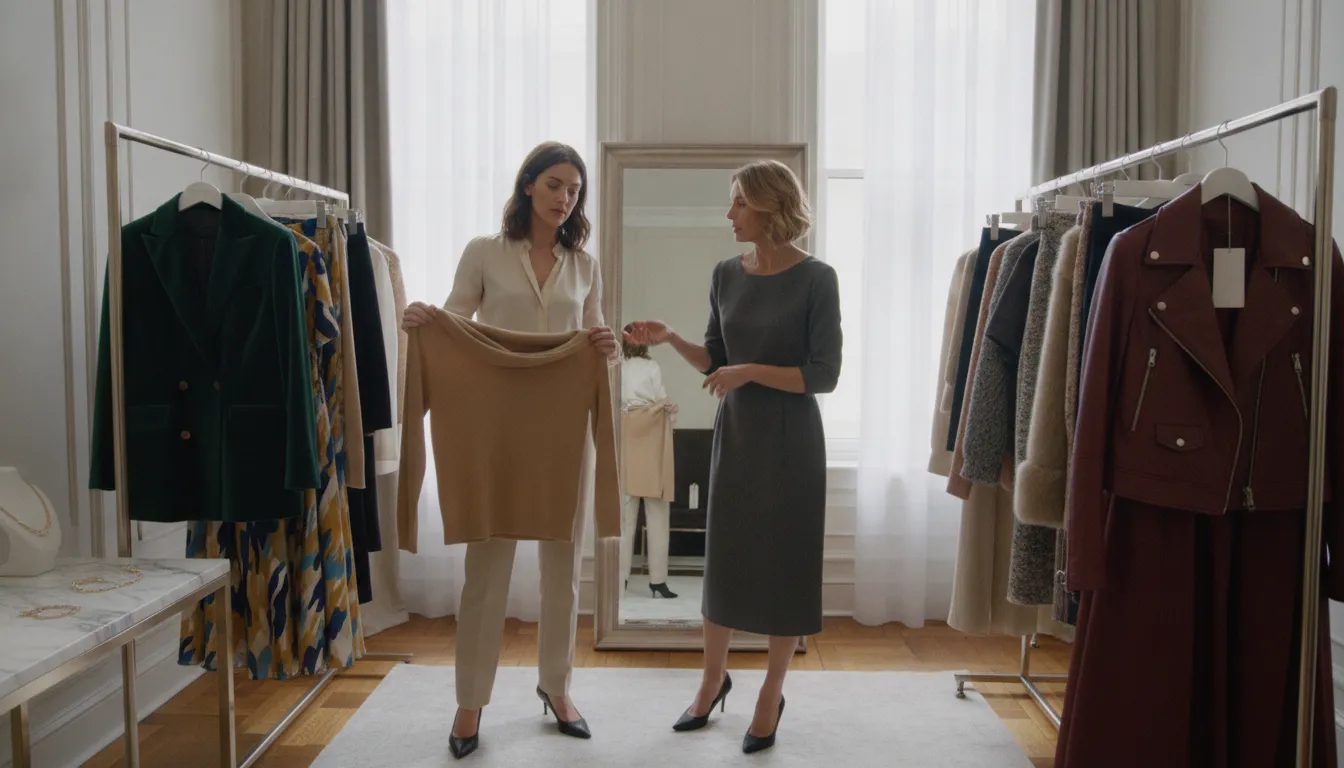
Begin the process four to five months before the wedding so there is time to explore the look. Coordinate with the wedding party, complete measurements, and allow for a final fitting. A relaxed consultation can clarify those decisions before we turn to the dress code itself.
How to Choose Dark Suits for Wedding Dress Codes
Choosing dark suits for wedding celebrations starts with the invitation, then becomes a matter of color, setting, and role. Black, charcoal, and navy can all look polished, but they communicate different levels of formality and photograph differently in changing light. The right choice should feel consistent with the couple’s vision rather than simply being the darkest option available.
Let the invitation set the formality
Read the dress code before choosing a color. If the invitation says black tie, a tuxedo is generally the appropriate garment unless the couple specifically permits a dark suit. For formal, cocktail, or semi-formal language, a dark suit is usually a strong choice. A black suit creates the most formal impression and works especially well for an evening ceremony, an elegant ballroom, or a traditional city wedding. Keep the styling restrained so it does not look like an unintended tuxedo substitute.
Charcoal is a particularly flexible middle ground. It has the authority of a formal color while feeling softer and more dimensional than true black. It suits evening celebrations, church ceremonies, refined indoor venues, and wedding parties that want a coordinated look without appearing overly severe. A charcoal suit can also transition comfortably from ceremony to reception and work well with a range of shirt and tie colors.
Match the suit to the venue and time
Navy often offers the broadest range. Its depth feels dressy enough for an evening reception, while its subtle color works naturally in daylight, at a garden venue, or beside lighter seasonal details. For a coastal, outdoor, or daytime wedding, a rich navy can look more relaxed than black without losing polish. The fabric’s texture and the rest of the outfit will help determine whether it reads as formal or flexible.
The groom and wedding party should follow the couple’s overall visual direction. Guests can choose among these colors, but members of the wedding party should use the color requested by the couple or coordinator. Consider the bride’s dress, floral palette, venue finishes, and the formality of the rehearsal dinner as one connected picture. A vest may add structure for a groom or wedding party, but it is optional and should support the event’s style rather than make every look feel identical.
Begin the decision four to five months before the wedding. That gives the couple time to compare fabrics and colors, coordinate the group, and address fit without last-minute pressure. For additional guidance on dressier celebrations, explore these suits for formal events, then bring the invitation and venue details into a styling conversation.
What Should a Dark Wedding Suit Fit Look Like?
A dark wedding suit should look clean and composed while still allowing you to move, sit, greet guests, and enjoy the celebration comfortably. The right fit follows your proportions rather than forcing your body into a narrow silhouette. A jacket can be sleek without feeling restrictive, and trousers can look tailored without pulling across the seat or thighs.
Check the jacket from the shoulders down
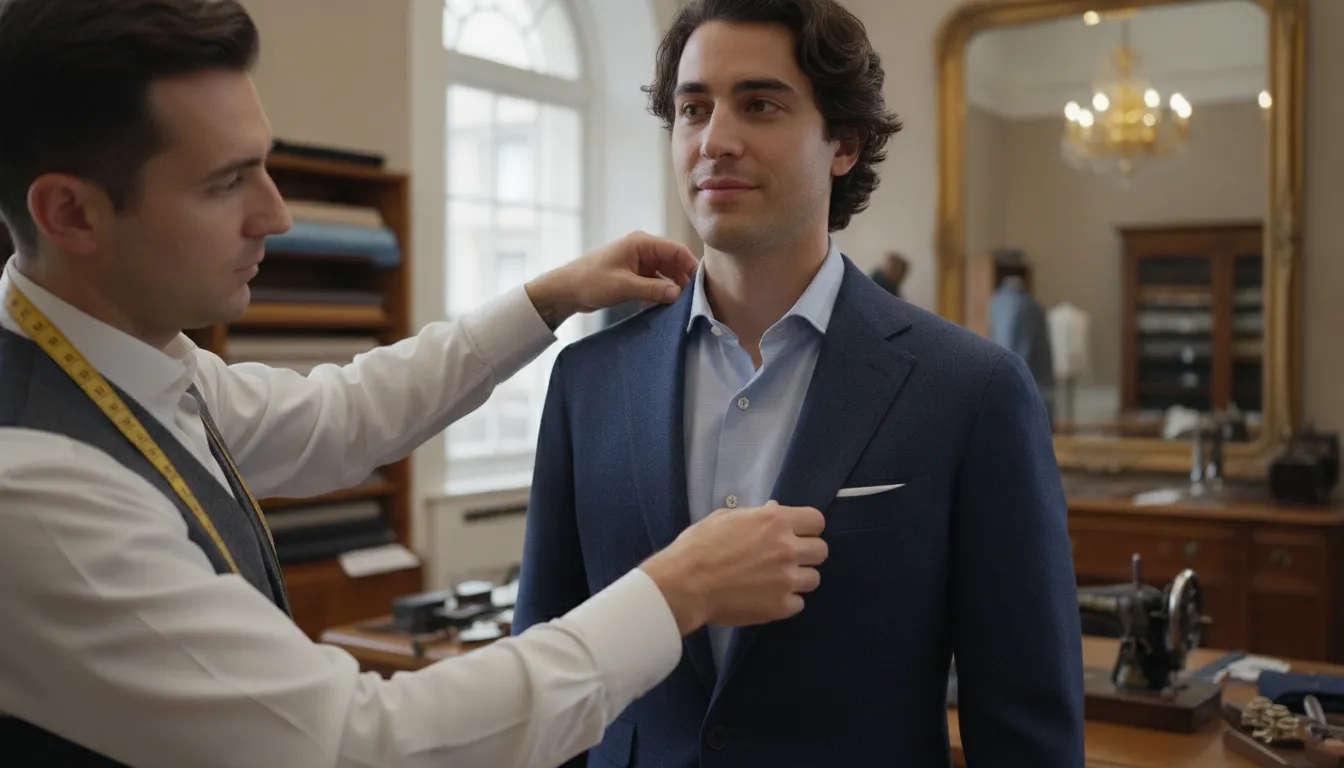
The shoulder seam should rest naturally at the edge of your shoulder. If it extends beyond the shoulder, the jacket can look oversized; if it sits too far inward, movement becomes limited and the upper body may appear tense. The lapels should lie flat against the chest, without bowing or standing away from the jacket.
Close the top button while standing naturally. It should fasten without pulling into an obvious X shape, but the jacket should not hang loosely around the torso. The best result contours your frame while preserving enough room for comfortable breathing and ordinary movement. Raise your arms, reach forward, and sit down during a fitting. A wedding suit needs to work beyond the mirror.
The sleeve should finish near the wrist and reveal a small, intentional amount of shirt cuff. Too little cuff can make the jacket look long, while too much can make the sleeve appear short. A professional tailor considers sleeve length alongside your shirt, watch, posture, and overall proportions.
Set the trouser length and mobility
Trousers should sit securely at the waist and fall cleanly through the hip and leg. The hem should meet the shoe with a controlled break rather than pooling heavily above the foot. The right amount of break depends on your build, trouser shape, shoe, and the level of formality you want. Bring the shoes you expect to wear, since the heel and shape affect the finished length.
Professional measurement is especially valuable when your shoulders, back, or proportions do not fit a standard size evenly. A custom fitting can account for shoulder angle, back arch, chest, arms, and neck rather than relying on a single size label. Wear a dress shirt for measurement and allow room to move. Trevor Furbay’s custom wedding suit consultation provides a considered starting point, followed by a final fitting so the finished suit can be assessed on your body, with your shoes and intended wedding details.
How Do You Style a Dark Suit for a Wedding?
Once you have chosen the suit color, the supporting details should make the outfit feel intentional rather than overly matched. Start with the invitation, venue, and wedding-party direction, then balance contrast, texture, and formality. The same shirt and tie combination can read very differently in navy, charcoal, or black.
| Suit color | Shirt and tie | Pocket square and shoes | Vest and texture |
|---|---|---|---|
| Black | A crisp white shirt creates the clearest contrast. Choose a black, charcoal, burgundy, or muted metallic tie according to the invitation and wedding palette. | Use a white pocket square for a formal finish, or echo a restrained accent from the tie. Black leather shoes keep the look cohesive. | A matching vest sharpens a three-piece silhouette. Subtle texture in the tie or pocket square prevents an all-black outfit from appearing flat. |
| Charcoal | White and pale blue shirts both work well. Burgundy, navy, forest, or patterned ties add depth while keeping the outfit refined. | Black shoes are the most formal choice. A deep brown shoe can work when the setting is less formal and the rest of the palette supports it. | A charcoal vest creates a tonal, polished effect. Wool texture, a grenadine tie, or a softly patterned square adds dimension without visual noise. |
| Navy | White, pale blue, and very light pink shirts offer clean contrast. Brown, burgundy, navy, or subtle patterned ties can complement the blue base. | Brown or oxblood leather shoes create warmth, while black shoes keep the look more formal. Let the pocket square complement the shirt or tie without matching it exactly. | A navy vest is elegant for a groom or coordinated party. Linen, wool, or a restrained woven texture can make the outfit feel appropriate to the season. |
Keep the accessories coordinated, not identical. If the wedding party has a specified tie or pocket-square color, follow that direction before adding personal flourishes. A vest is optional, but it is especially useful when the jacket may come off during the reception. Finally, distinguish a dark suit from black-tie attire: if the invitation specifies black tie, follow that dress code unless the couple clearly permits a suit.
Should the Groom, Wedding Party, and Guests Wear the Same Dark Suit?
Dark suits can create a beautifully unified wedding image, but coordination does not require every person to wear an identical outfit. The groom’s look should establish the visual direction, while the wedding party and guests interpret that direction at the appropriate level. Consider the venue, the invitation language, the bride’s dress, the wedding party’s colors, and how formal the celebration is before choosing one suit for everyone.
-
Decide what the groom should wear
The groom usually has the most flexibility to lead the look. A deep navy, charcoal, or black suit can work when the invitation and venue support that level of formality. The right choice should also complement the bride’s dress and the overall wedding palette rather than compete with it. A distinctive fabric, vest, shirt, tie, or subtle accessory can separate the groom from the wedding party without breaking the visual connection. For a broader look at the decision, review this wedding suit style guide.
-
Coordinate the wedding party without making everyone identical
For groomsmen and other members of the wedding party, consistency matters most in the elements that appear together in photographs. Matching suit colors can provide a clean foundation, while differences in shirt, tie, pocket square, or vest may add personality if the couple’s visual direction allows it. The bride’s dress, attendants’ attire, flowers, and planned color scheme should guide those choices. During a coordinated styling conversation, discuss the venue, formality, color scheme, bride’s dress, rehearsal dinner, and full wedding look together, not as isolated decisions.
-
Give guests clear direction, then allow room for interpretation
Guests should follow the invitation language first. If the invitation requests a formal dark suit. Guests can choose a well-fitted option in a dark neutral while avoiding details that make them appear to be part of the wedding party. If the dress code is less specific, the venue, ceremony time, season, and couple’s stated preferences can provide useful context. Guests do not need to duplicate the groom’s fabric or accessories. They should also avoid assuming that a dark suit is appropriate when the invitation calls for black tie or another more specific dress code.
-
Build in time for group decisions and final fitting
Begin wedding attire planning roughly four to five months before the wedding. That window gives the couple time to confirm the dress code, align the wedding party. Accommodate different fit needs, and make thoughtful choices rather than settling for whatever is available at the last minute. Trevor Furbay provides custom and ready-to-wear options for grooms and wedding parties. The process includes consultation, a private Signature Style Session, final fitting, and presentation. A wedding attire consultation can help the group turn a shared direction into individual looks that feel polished and comfortable.
When Is Custom Tailoring Worth It for a Dark Wedding Suit?
Custom tailoring becomes especially valuable when a dark wedding suit needs to do more than look good on a hanger. If jackets regularly pull across your shoulders, trousers sit awkwardly, or standard proportions leave you choosing between comfort and polish, professional measurement can change the experience. It is also worth considering when you want a particular fabric, lining, button, or monogram that reflects the occasion and remains useful in your wardrobe afterward.
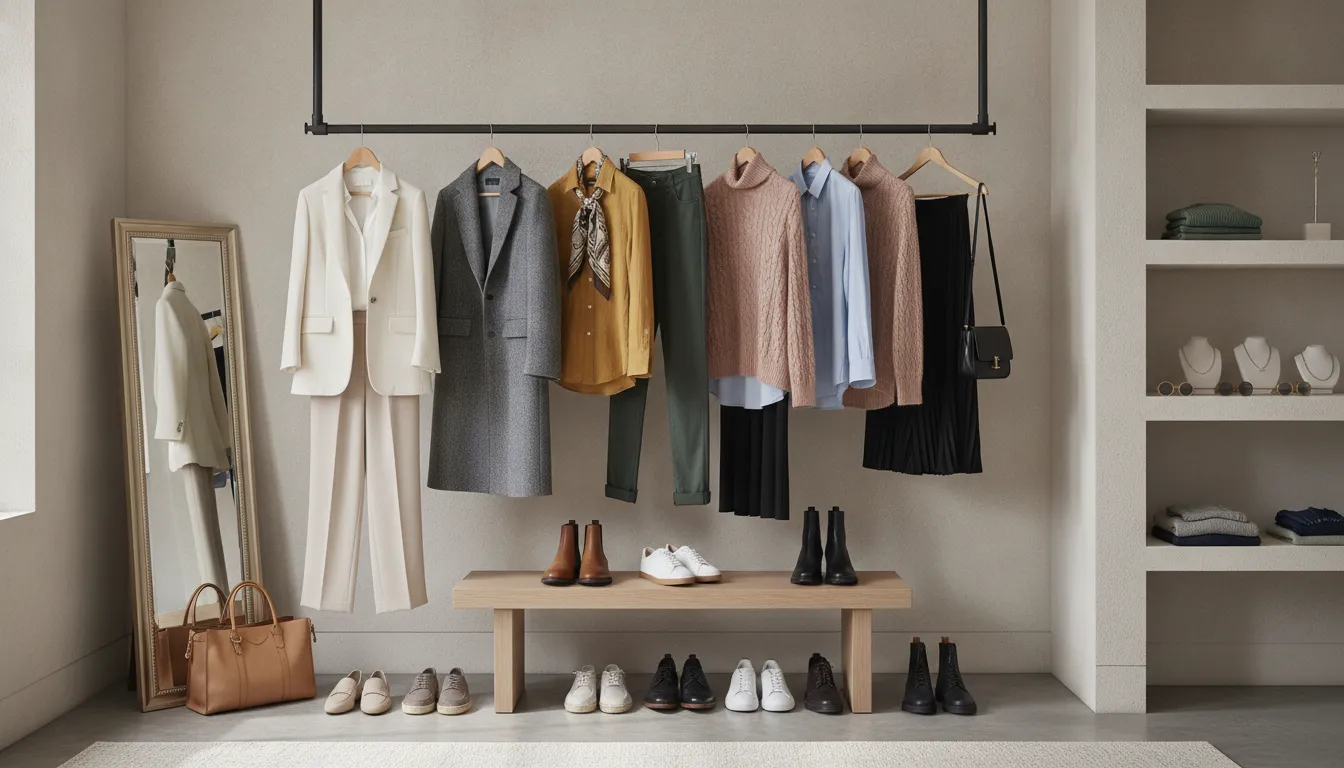
At Trevor Furbay Bespoke, the process begins with selecting a look and taking precise measurements that account for shoulder angle, back arch, and overall proportions. That attention matters for wedding days, when you will be standing, greeting guests, sitting through dinner, and appearing in photographs. A dark suit should feel composed without restricting natural movement, and the right proportions help the jacket, trousers, shirt, and shoes work together.
Custom fabric and personal details
Custom is also a thoughtful choice when fabric and personalization are central to your decision. Customers can choose from thousands of fabrics, including Loro Piana options, then personalize details such as the lining, buttons, and monogramming. Those decisions can quietly distinguish a navy, charcoal, or black suit without making it feel overdesigned. For a groom, the styling conversation can account for the venue, formality, color scheme, the bride’s dress, rehearsal dinner, and the broader wedding look.
A process built around consultation and fitting
Pricing for custom tailoring is consultation-based and depends on the fabric and customization selected, so a meaningful recommendation requires a conversation rather than a fixed online figure. Custom-made items are delivered in approximately three to five weeks and followed by a final fitting. That timing is one reason to begin the wedding wardrobe process four to five months before the event. Trevor Furbay has provided custom and ready-to-wear suits for grooms and wedding parties for more than two decades, with guidance available through custom suit styling.
The experience is designed to feel personal rather than hurried. The Cincinnati store is the flagship, while the Columbus/Dublin location is available by appointment. Consultations take place in comfortable spaces with hospitality touches, including refreshments, a full in-house bar, and kitchen service. If fit problems, fabric preferences, or the importance of a collaborative experience make an off-the-rack purchase feel limiting. Custom tailoring may be the more considered way to approach dark suits for wedding celebrations.
How Do You Care for a Dark Suit Between Wedding Events?
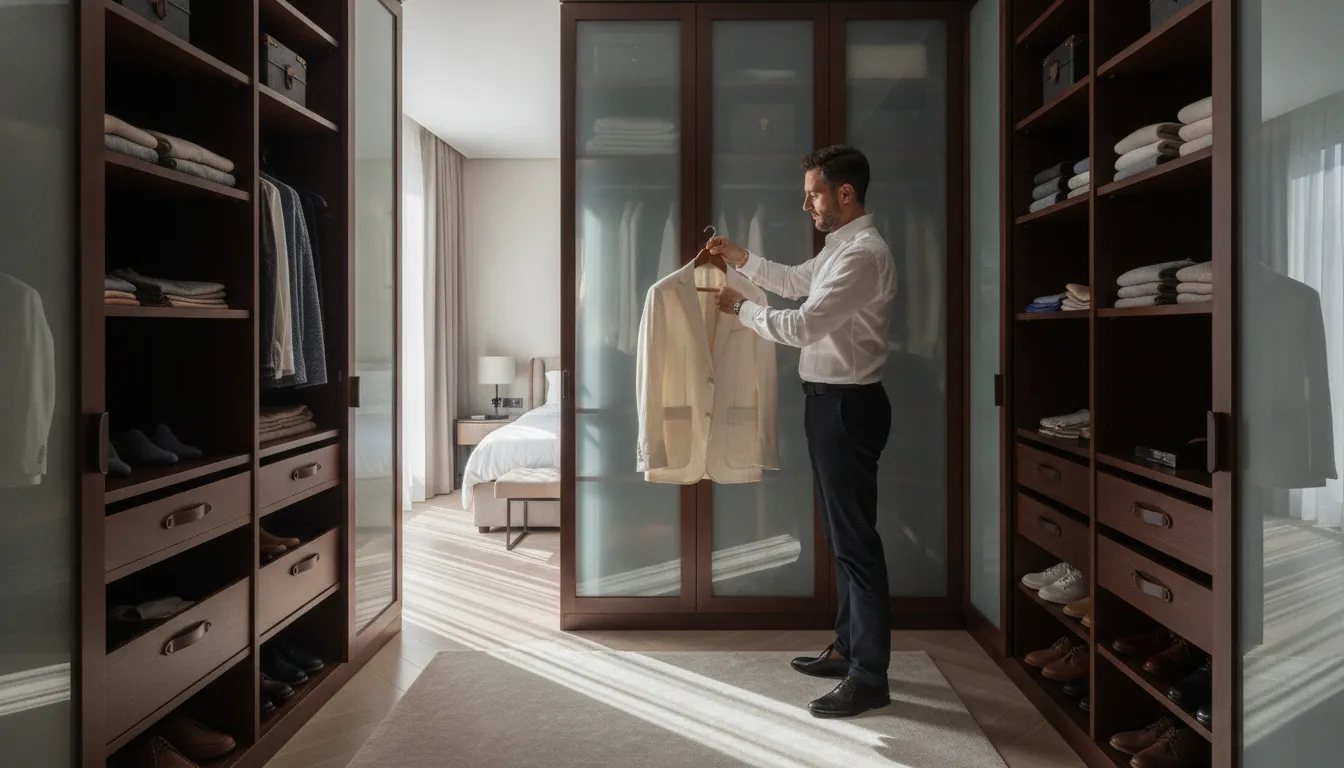
A dark suit will look more composed over time when it has room to recover between occasions. After wearing it, empty the pockets, brush away surface dust, and let the jacket and trousers air in a clean, shaded space before returning them to the closet. This is especially useful after a warm ceremony, reception, or commute.
Protect the shape between wearings
Use a broad, shaped hanger that supports the jacket shoulders rather than a thin wire hanger that can distort them. Fasten the jacket, smooth the lapels, and hang the trousers from a suitable hanger so the creases stay orderly. Leave space around the garment for air to circulate, and use a breathable garment bag when the suit will not be worn for a while. Avoid compressing it tightly among other clothes.
Travel and reception wear can create wrinkles even when the suit is well made. Light surface creases may relax while the garment hangs. If the suit needs pressing, use a professional who understands tailored clothing and can protect the cloth, lining, and structure. Follow the care label before arranging cleaning, particularly for delicate fabrics or unusual finishes.
Choose professional care for repairs and alterations
When a jacket pulls, trousers twist, a hem loosens, or a seam needs attention, bring the garment to a professional tailor. Do not attempt stitching, hemming, seam repair, or fabric fixes at home. A trained tailor can assess whether the issue calls for a simple adjustment or a broader fit review. Then preserve the suit’s balance and natural fall while restoring it for future wear.
Professional care is also useful before a major wedding event. It gives you a chance to address fit or finish concerns calmly, rather than experimenting with a dark suit just before guests arrive.
Frequently Asked Questions
What color suit should I wear to a wedding?
Start with the invitation, venue, season, and couple’s preferred palette. Navy and charcoal are adaptable choices for many weddings, while black can feel especially polished for evening or more formal celebrations. If you are in the wedding party, follow the couple or coordinator’s requested color rather than choosing independently.
Should I wear a suit or tuxedo for a formal event?
Follow the dress code exactly. A black-tie invitation generally calls for a tuxedo, while a dark suit can be appropriate when the invitation permits a suit. Or for cocktail, semi-formal, and many traditional wedding settings. If the wording is unclear, confirm with the couple or planner before you shop.
How should a dark wedding suit jacket fit?
The shoulders should sit cleanly, the lapels should lie flat, and the button should close without pulling across the torso. Sleeves should reveal a small amount of shirt cuff, while the trousers should allow comfortable movement without pooling at the shoe. Professional measurement and a final fitting help account for your proportions rather than forcing you into a generic size.
Do I need a vest with my suit?
No. A vest is an optional styling choice that can create a more formal, layered silhouette and keep the outfit looking intentional when the jacket comes off. It is most useful when it supports the wedding’s formality and coordinates with the groom’s or wedding party’s overall direction.
When should I begin choosing my wedding suit?
Begin about four to five months before the wedding so there is time to discuss the venue and dress code. Choose fabrics and details, complete measurements, and schedule the final fitting. Trevor Furbay’s wedding process typically takes three to six weeks from consultation through presentation. Timing is confirmed during the appointment: wedding attire consultation.
Ready to Plan Your Wedding Suit?
A thoughtful consultation can help you connect the wedding’s formality, your personal style, and the fit details that make a dark suit feel truly yours. Bring your invitation, venue details, or inspiration, and discuss the occasion with a stylist who can guide the next decisions clearly. To begin, Book Your Style Consultation for wedding attire guidance and a professionally fitted dark suit.