
A fashion consultant can help you make clearer decisions about fit, clothing, and how your wardrobe works together. The title can mean different things depending on the professional, so it helps to begin with your specific need: a single outfit, a wardrobe reset, clothes for work, or a well-fitting suit for an important occasion.
At Trevor Furbay Bespoke, the starting point is a personal conversation, not a one-size-fits-all formula. With more than 25 years of fashion-industry experience, the team brings hands-on knowledge to custom tailoring, curated clothing, personal styling, and wedding attire. The right kind of help depends on what you want to change and how involved you want the process to be.
What does a fashion consultant do?
A fashion consultant helps a person make clothing choices that suit their preferences, daily life, and occasions. That could mean identifying gaps in a wardrobe, choosing colors and silhouettes, planning outfits, or exploring custom clothing for a better fit. The scope varies: some consultations focus on one decision, while others address a broader set of wardrobe goals.
The useful question is not only what the title means, but what you want to accomplish. If you need a considered look for a wedding, the conversation may center on formality, the setting, and coordinating with the wedding party. If work clothes feel disconnected from your current role, the focus may be on versatile pieces that fit your schedule. If a jacket never sits comfortably, fit and tailoring may be the priority.
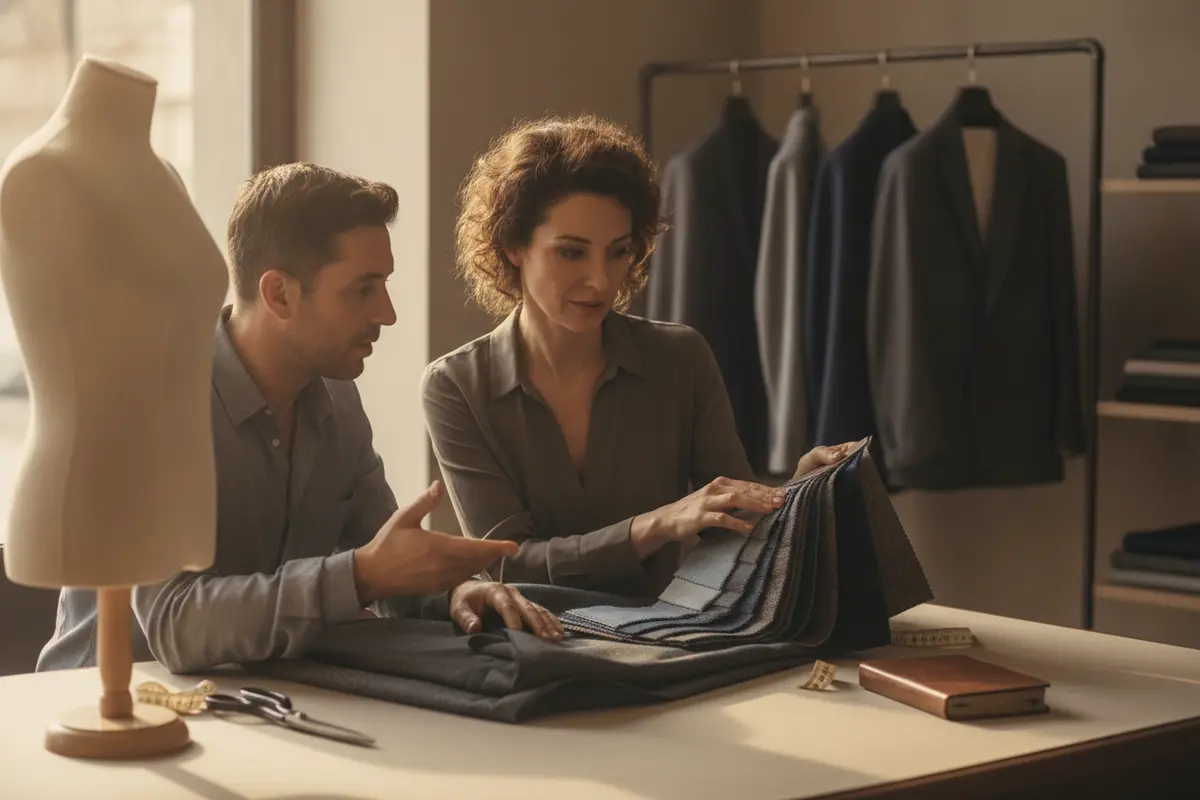
Before meeting, write down a few examples of what is not working. You might mention that trousers feel too casual for client meetings, that you repeat the same outfits, or that you need clothing for a particular event. Specifics help a consultant recommend a practical next step rather than a generic makeover.
How is a fashion consultant different from a personal stylist?
The terms overlap. A fashion consultant may provide advice on wardrobe choices, fit, and how clothing supports a particular need. A personal stylist often helps put outfits together, shop for pieces, or develop a consistent look over time. In practice, one professional may offer both kinds of support. Ask about the actual service rather than assuming the title defines it.
| Need | Fashion consultation may focus on | Personal styling may focus on |
|---|---|---|
| One important event | Dress code, setting, fit, and suitable outfit options | Putting together a complete look, including accessories |
| Wardrobe refresh | Priorities, gaps, and what to keep or add | Outfit combinations and shopping choices across the wardrobe |
| Fit concerns | Garment proportions and whether custom tailoring is appropriate | Choosing silhouettes and clothing that work with personal preferences |
| Ongoing support | Periodic advice as needs change | Repeated outfit planning, shopping, or wardrobe guidance |
This comparison is a starting point, not a rigid boundary. During an introductory conversation, ask what the professional will help you decide, whether recommendations include shopping or tailoring, and what preparation would make the meeting useful.
When can a fashion consultant be useful?
A consultation is most useful when you have a clear decision to make but want experienced perspective. You do not need to know the right garment or terminology in advance. Bring the problem you are trying to solve and let the conversation clarify the options.
- Your work wardrobe needs a reset. Discuss your day-to-day routine, workplace expectations, and which pieces need to work across different settings.
- You have a wedding or formal occasion ahead. Talk through the dress code, venue, season, and timeline. Custom wedding attire is best planned well ahead; begin four to five months before the wedding.
- You want clothing that fits differently. Explain where ready-to-wear pieces feel restrictive or unbalanced. A consultant can discuss whether tailoring or custom clothing might address the issue.
- You are unsure what to buy next. Start with what you already wear and the situations you need to dress for. That can help distinguish a genuine wardrobe gap from an impulse purchase.
- You want a more coordinated wardrobe. Consider how new pieces will pair with existing jackets, trousers, shirts, and shoes instead of treating each purchase as a standalone outfit.
For custom garments, the consultation also helps identify preferences such as fabric, details, and intended use. Custom tailoring costs depend on the fabric and customization selected, so pricing is discussed in consultation rather than treated as a fixed universal amount. Learn more about custom styling and tailoring or explore custom suits.
How should you prepare for a consultation?
A little preparation makes the conversation more focused. You do not need a perfectly organized closet or a complete list of desired purchases. Bring enough context to explain your daily life and the decisions you want to make.
- Name the occasion or challenge. Is this about work, a wedding, travel, fit, or a general refresh?
- Describe how you spend your days. Note the settings where you need to dress and how formal or relaxed they tend to be.
- Identify what already works. A favorite jacket, shirt, or outfit can show the shapes and colors you feel comfortable wearing.
- Be candid about fit. Explain what feels too tight, too loose, too long, or out of balance. If you can, wear a garment that illustrates the concern.
- Set priorities. Decide whether fit, versatility, comfort, formality, or a particular date matters most right now.
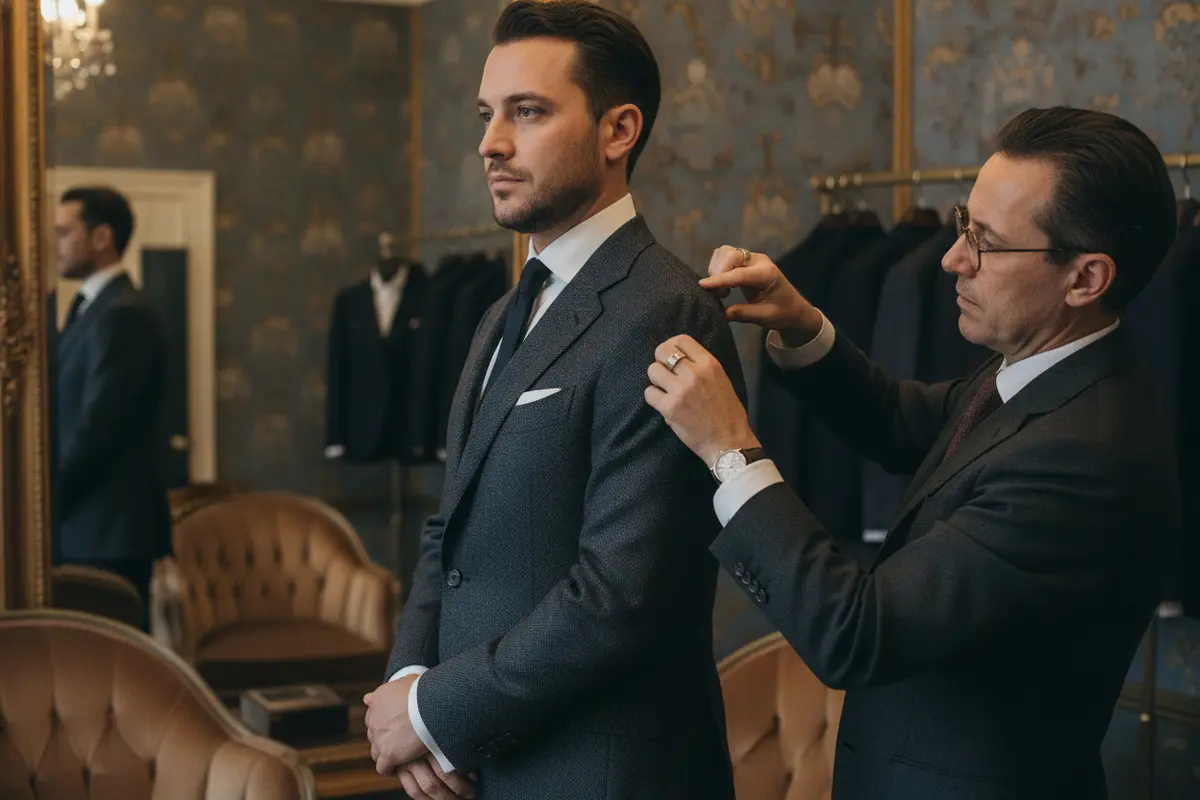
For a suit or jacket, a professional can look at how the garment sits through the shoulders, chest, sleeves, and body. Construction and adjustment options vary by garment, so discuss the specific piece rather than expecting every jacket to be altered in the same way. The custom jacket and sport coat options may be relevant when you want a piece shaped around your preferences.
What should you ask before choosing a consultant?
Choose support that matches the task. A good first conversation should make the scope clear and leave you with a sensible next step. Consider asking:
- What can we realistically cover in this appointment?
- Can you help with fit, shopping, custom clothing, or some combination?
- What should I bring or wear?
- How will you take my preferences and existing wardrobe into account?
- For custom clothing, how do fabric and design choices affect the final cost and timing?
- For a wedding, what milestones should I plan for before the event?
Clear answers help you understand whether you need a focused consultation or ongoing wardrobe assistance. For a wedding, start with the event’s theme, venue, and timeline, then move through selection, measurements and fittings, and final delivery. See the wedding attire process and custom tuxedo options for more context.
Can ongoing styling help between appointments?
If you prefer a continuing source of clothing suggestions, a wardrobe service may be more practical than beginning from scratch each time. Trevor Furbay’s StyleBox offers personalized clothing delivery with no styling fee; you pay only for the items you keep. Complimentary delivery and pickup apply in Cincinnati. Review the StyleBox details if trying selected pieces at home sounds more suitable than an in-store visit.
For a wardrobe that needs a broader reset, personal styling and wardrobe consulting can help you consider what to retain, what to add, and how pieces work together. The goal is not to replace your taste with someone else’s. It is to make your own preferences easier to use in real life. You can also explore custom casual attire and custom trousers as part of a considered wardrobe.
How do you choose the right kind of support?
Match the service to the outcome you want. A single event or fit question may call for a focused consultation. Several wardrobe challenges may benefit from a wider styling conversation. A garment that needs a distinctive fit or personal details may lead to custom tailoring. If you want to try clothing at home with ongoing personalized selection, StyleBox is another option.
Think in terms of decisions rather than labels. Write down what you need to wear, where you will wear it, and what feels unresolved. Then ask the consultant to explain the steps, timing, and options. This keeps the conversation grounded in your life and helps you decide whether the proposed support feels right.
What should you expect from a first appointment?
A first appointment should begin with listening. Explain the moments when your current wardrobe feels insufficient, the pieces you enjoy wearing, and any upcoming dates that affect your choices. The consultant can then help narrow the discussion instead of trying to solve every possible style question at once.
Depending on the goal, the conversation may move from broad preferences to concrete choices. For a custom garment, that could mean discussing intended use, fabric, color, and design details. For an event outfit, it may mean clarifying the dress code and how formal the setting feels. For a wardrobe refresh, it may mean identifying the pieces you rely on and the combinations you want to make easier.
Ask what happens after the discussion. Will the next step involve looking at ready-to-wear pieces, considering custom clothing, reviewing fit, or scheduling another appointment? Knowing the process helps you understand the commitment before making decisions. It also gives you a chance to say if you want focused help now and broader wardrobe advice later.
How can you make recommendations work with your existing wardrobe?
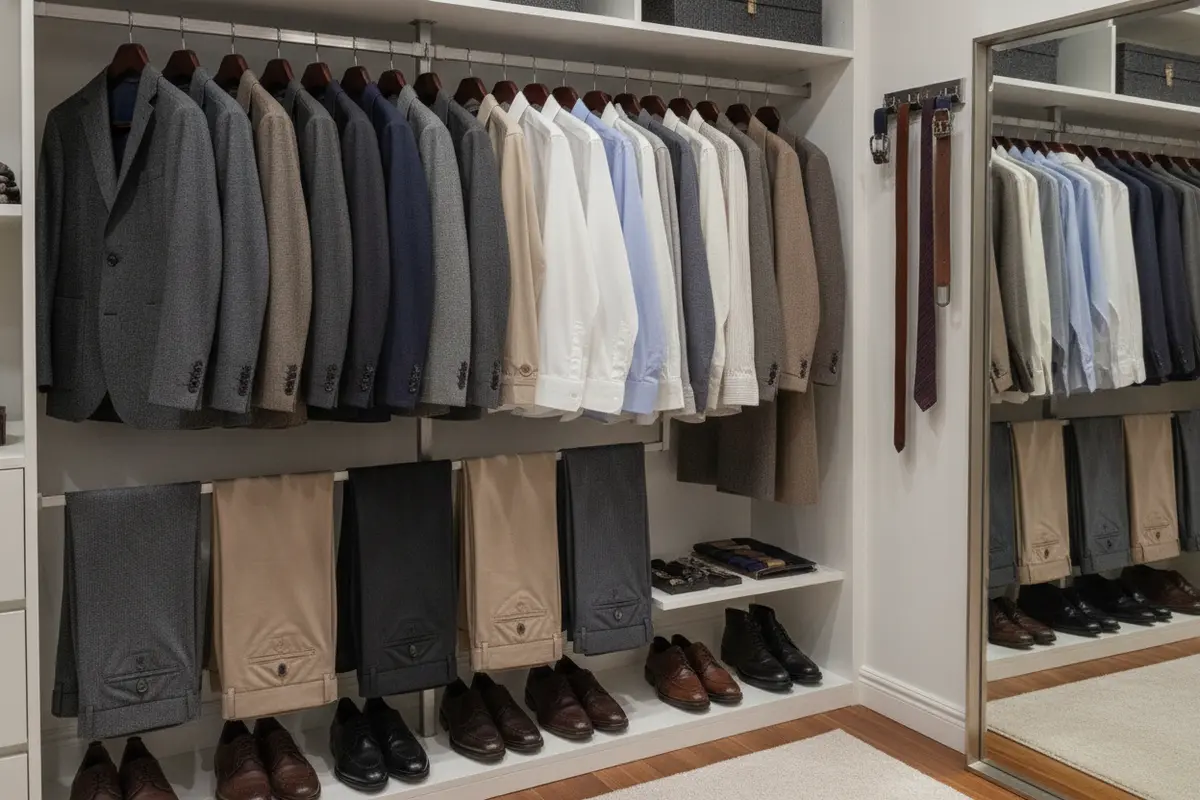
New clothes are most useful when they connect with what you already own. Before buying anything, describe the jackets, trousers, shirts, shoes, and accessories you wear most often. You do not need an inventory of every item. A few reliable examples can show your preferred colors, level of formality, and the combinations that already feel natural.
Think about the settings where each piece needs to work. A jacket for client meetings may also need to suit dinner plans. Trousers for travel may need to pair with more than one shirt. If an item serves only one purpose, that may be appropriate for a wedding or special event; if versatility matters, say so before selecting it.
When you consider a new piece, ask yourself three practical questions: what will I wear it with, how often might I use it, and does it solve a specific fit or occasion need? These questions do not require a strict capsule wardrobe. They simply make the reason for each choice clearer and help avoid buying something that looks appealing but has no place in your routine.
How do timing and budget shape the decision?
Timing matters most when clothing is connected to a fixed date. For wedding attire, begin four to five months before the wedding when possible. That allows time for discovery and planning, selecting fabrics and details, measurements and fittings, and final delivery. If the event is closer, ask immediately what options and timing are realistic rather than assuming every custom process can be accelerated.
For a general wardrobe refresh, you can set a different pace. Decide whether you need one item now or want to build a more coordinated set of options over time. Share your priorities and any budget boundaries before exploring garments. Custom tailoring costs depend on fabric and customization, while curated ready-to-wear and ongoing styling are different kinds of choices; ask what each proposed option includes.
A useful conversation does not require you to make every decision during the first visit. You can gather information, compare approaches, and decide what feels appropriate. The key is to be clear about the outcome, the timeline, and the level of investment you are comfortable considering.
How can you evaluate a wardrobe plan after the appointment?
After the meeting, take a little time to separate recommendations into immediate decisions and longer-term ideas. A focused list helps prevent a wardrobe refresh from turning into an unplanned series of purchases. Put the event-specific needs, fit concerns, and versatile additions in different groups. If the consultant recommends several pieces, ask which one would solve the most pressing problem first.
Try to connect each recommendation to an actual use. For example, if a new jacket is intended for work and dinner, list the trousers and shirts you would pair with it. If a garment is for a wedding, confirm that its formality works with the venue and the wedding party’s direction. This simple exercise reveals whether a choice fits your life or only looks appealing in isolation.
For garments that require custom work, confirm the next steps before proceeding: what decisions remain, when measurements or fittings occur, and how the timeline relates to your occasion. Ask how fabric and customization affect the estimate. For ongoing styling, agree on how your preferences and feedback will shape later selections. You should understand what is being proposed before committing to it.
It is also reasonable to revisit a plan as circumstances change. A new role, a move between casual and formal work settings, or a newly scheduled event can alter what makes sense. Keep useful notes about fit, colors, and combinations that worked. That turns the next conversation into a continuation of your experience rather than a repeat of the first appointment.
How can you compare custom, ready-to-wear, and at-home options?
The best route depends on what matters most: personal fit, immediate availability, or convenience. Custom clothing allows discussion of fabric and design details, with the investment and process depending on those selections. Curated ready-to-wear gives you a chance to consider finished garments, while an at-home service can make trying selected pieces more convenient. These are different approaches, not a ranking from best to worst.
For a fit issue, identify whether the garment is close to working or whether you want to begin with a piece shaped around your preferences. A professional can discuss possible adjustments in context; not every garment can be changed in the same way. For an urgent event, availability and fitting time matter. For a long-term wardrobe, a mix of custom and ready-to-wear may be worth discussing if it serves different needs.
Ask practical questions: what will I be able to review before deciding, what is the next step if I like an option, and what timeline should I plan around? For StyleBox, remember that there is no styling fee, you pay only for what you keep, and complimentary delivery and pickup apply in Cincinnati. If the service sounds useful, review the StyleBox option before choosing how to proceed.
How can a consultant help with a wedding wardrobe?
A wedding outfit involves more than choosing a suit or tuxedo. The venue, time of day, season, level of formality, and wedding party direction all affect the decision. The couple may want coordinated photographs without requiring every person to wear an identical look. Share what is already decided, what remains open, and how many people need attire so the discussion can focus on useful choices.
Starting four to five months before the wedding gives room to work through discovery and planning, styling and selection, measurements and fitting, and final fitting and delivery. During discovery, discuss the theme, venue, and timeline. Selection is the chance to consider fabrics, styles, and accessories. Measurements and fittings make room for fit adjustments, and the final fitting checks the outfit before the event. If your schedule is shorter, ask which decisions must happen first.
Keep communication clear when several people are involved. Confirm who is responsible for sharing the event details, which choices need group agreement, and when each person should attend. A groom can also bring reference images or notes about the wedding palette, but those are starting points rather than instructions to copy every detail. The goal is an outfit that suits the occasion and feels comfortable to wear.
For ideas and process details, review wedding attire planning and custom tuxedo options. If the event includes a suit rather than a tuxedo, a conversation about custom suit choices can help clarify what details matter for the setting.
Frequently Asked Questions
Do I need to know my personal style before meeting a fashion consultant?
No. Bring examples of clothes you like, dislike, or reach for often. A useful conversation can help clarify preferences as you discuss your routine and goals.
Can a fashion consultant help with a wedding outfit?
Yes. A consultation can address the event’s formality, venue, season, fit, and coordination needs. For wedding attire, begin planning four to five months before the date when possible.
Is a fashion consultant only for custom clothing?
No. The scope depends on the professional and your needs. A consultation might cover wardrobe choices, outfit planning, ready-to-wear, tailoring, or custom clothing.
How much does custom clothing cost?
Custom pricing depends on fabric and customization. Discuss your preferences and options during a consultation rather than relying on a single fixed price.
What should I bring to my first appointment?
Bring a clear description of what you need, what you already wear, and any garments that show a fit concern. For an event, share the date, dress code, venue, and any coordination details you know.
A fashion consultant should help you make confident, practical choices that reflect your taste and the way you live, whether you need one thoughtful outfit or a more cohesive wardrobe.