
Fashion styling is not about filling a closet with more clothes. It is the deliberate process of choosing garments and details that suit the setting, feel comfortable, and work together. For work and events, a few thoughtful decisions about fit, color, fabric, and accessories can make getting dressed simpler and more consistent.
What should you decide before putting an outfit together?
Start with the occasion and the impression you want to make. A client presentation, a regular office day, a wedding, and an evening celebration each call for a different level of formality. Consider the venue, season, time of day, and any dress code before choosing individual pieces.
Then identify the anchor garment. For work, that might be a well-fitting suit, sport coat, or polished pair of trousers. For an event, it may be a suit or tuxedo chosen for the dress code. Build around that piece rather than combining several statement items at once.
- Setting: Match the formality of the clothing to the occasion.
- Comfort: Think about how long you will wear the outfit and whether you will be seated, standing, or moving.
- Practicality: Consider the weather, commute, and how easily pieces can transition between parts of the day.
- Personal preference: Choose colors and details that feel like you, not just what is currently prominent.
Before dressing, write down what the day actually includes. A morning meeting followed by dinner calls for different decisions than an office day spent at a desk. Note whether you will walk between locations, travel by car, or have time to change. This simple check prevents an outfit from being formally appropriate but impractical to wear.
It also helps to distinguish the dress code from the desired mood. “Business formal” describes a level of dress; it does not require every detail to be conservative or identical. A dark suit can provide structure while a shirt, tie, or pocket square introduces a restrained personal accent. For a celebration, the venue and invitation wording should guide the balance.
Try a quick planning sequence before you select anything. First write down where you are going and the expected level of formality. Next note the temperature and whether you will be indoors, outdoors, or moving between both. Then choose the main garment and check what you already own that works with it. Finally, decide whether a change of shirt, tie, or shoes is needed between parts of the day. This approach avoids buying or assembling an outfit around a detail that does not solve the real need.
How does fit shape fashion styling?
Fit is the foundation of a polished outfit. A jacket should sit smoothly at the shoulders, close without pulling when buttoned, and allow comfortable movement. Sleeves and trouser length affect the overall proportion, while shirt collars and cuffs help frame the face and hands.
Check how garments look in motion, not only in a mirror while standing still. Sit, reach, and walk in the outfit. If a piece restricts movement or continually needs adjustment, it may not be the right fit for the day. Ready-to-wear can provide a strong starting point, while professional tailoring can refine how a garment sits. Explore custom styling and tailoring if you want to discuss a more personalized approach.
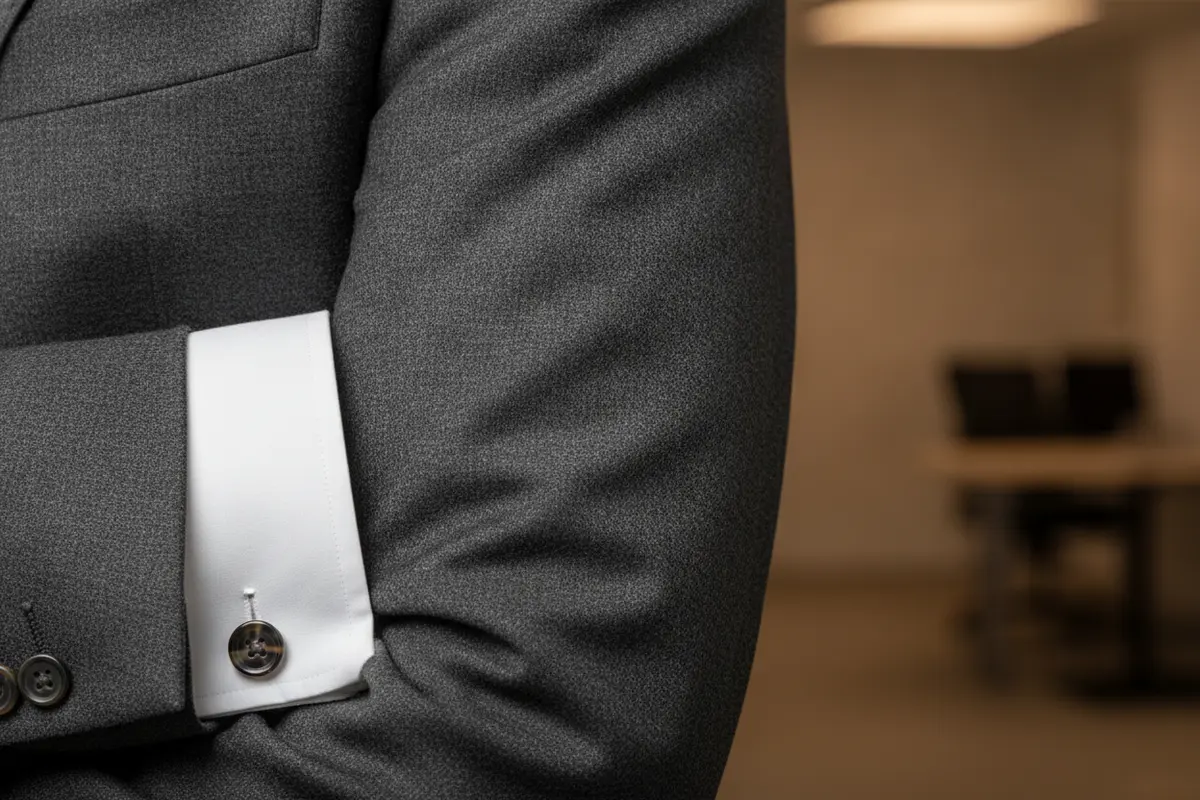
Evaluate the whole silhouette rather than judging one measurement in isolation. A jacket that is comfortable through the shoulders but too long in the sleeve can still feel unfinished; trousers that break heavily at the shoe may change the proportion of the entire outfit. Shirt collars should sit neatly, and cuffs should remain visible in a balanced way when the jacket is worn. Details depend on the garment and the wearer, so prioritize how the pieces look together.
When trying on clothing, use the shirt and shoes you expect to wear with it when possible. Those pieces affect how a jacket closes and where trouser hems fall. Move naturally, fasten the jacket as you would during the day, and check the back and side views. If something feels wrong, describe the issue clearly rather than assuming a specific adjustment is the answer. A professional can assess what changes are appropriate for the garment.
It can help to assess fit in three passes. Begin at the shoulders and collar, where a jacket’s overall balance becomes apparent. Next check the front closure and sleeves while standing and moving. Finish by looking at the trousers with the shoes you plan to wear. Take note of any repeated pulling, bunching, or slipping. An isolated wrinkle may be caused by posture or movement, but persistent discomfort deserves attention before the garment becomes a regular part of your rotation.
Fit also affects how formal a garment feels. A structured jacket with clean lines can lend polish to separate trousers and a shirt. A softer jacket may read as more relaxed, even when the colors are similar. Look at the whole outline rather than relying only on labels such as “business” or “casual.” The right balance depends on the setting and on how the wearer feels in the clothes.
How can color make outfits easier to coordinate?
Build a useful foundation with colors that combine easily. Navy, charcoal, and neutral shades can anchor professional and event wardrobes. From there, introduce color through a shirt, tie, knit, pocket square, or other accessory. A limited palette helps separate pieces work together without making every outfit look identical.
For a coordinated look, repeat a color subtly rather than matching every item exactly. A muted accent in a tie can relate to a pocket square, for example, while differences in texture keep the combination from feeling too uniform. If an event has a wedding palette or dress guidance, use it as a reference but keep the outfit appropriate to your role.
Consider contrast near the face. A light shirt under a darker jacket creates a clear frame, while a softer tonal combination can feel less formal. If you are unsure which colors you will wear often, start with the pieces already in your wardrobe. A new jacket is more useful when it works with several shirts and trousers you own, rather than only one carefully matched outfit.
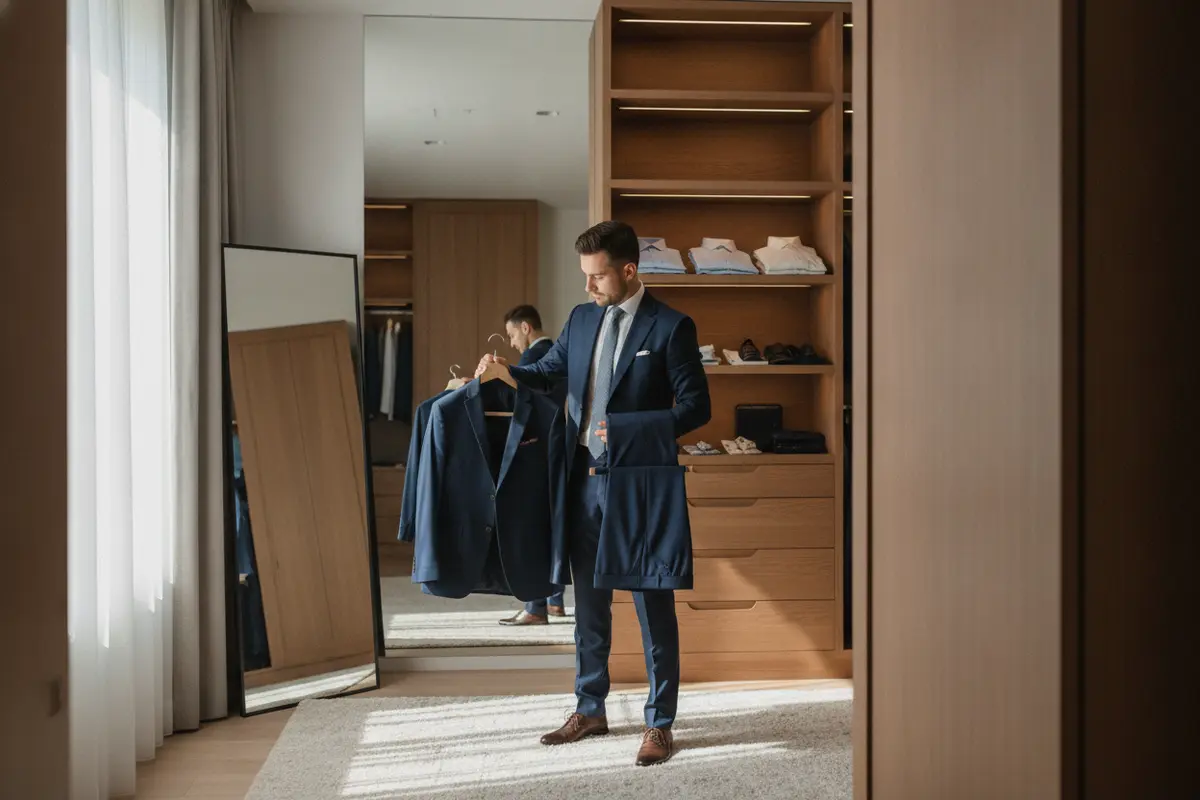
One practical way to test a color choice is to lay the pieces together in daylight. View the jacket, shirt, trousers, and accessories as a group, not as isolated favorites. If one item draws attention immediately, decide whether that is intentional. For a client-facing day, a restrained palette may feel appropriate; for a social event, a stronger accent can add personality while the main garments remain classic.
Patterns need a similar sense of proportion. A small-scale shirt pattern, a tie with a larger motif, and a solid jacket can work together because each element has a different role. When several patterns compete at the same scale, the result can look busy. If you are uncertain, keep one item patterned and let the others provide a quiet background. This makes coordination easier and allows a favorite accessory to stand out without overwhelming the outfit.
Think about color repetition across the week as well. A small group of shirts that coordinate with two jackets can create more combinations than a collection of pieces that each work only once. You do not need to make every outfit look alike. Vary the shirt, texture, or accent while keeping a dependable base. The goal is useful choice, not a uniform.
Which fabrics and layers suit work and events?
Think about the season, indoor temperature, travel, and the demands of the occasion. A fabric that is comfortable for a long workday may differ from one chosen for a formal evening. Layering can add flexibility: a jacket can sharpen an outfit, while a fine knit or vest may provide another option when the setting allows it.
When considering custom clothing, fabric and customization influence the final choice and cost, so pricing is consultation-based. Ask how the garment is intended to be worn and what options suit your schedule and preferences. You can compare custom suit options and custom jackets and sport coats as possible wardrobe anchors.
Fabric choice is not only a question of appearance. Think about how the garment will be used, how much structure you want, and whether it needs to serve across seasons. A lighter-feeling option may suit a warm venue or travel day, while a more substantial cloth can feel appropriate in cooler weather. Ask about care and the intended use before deciding, especially if the garment will be worn frequently.
Layers are useful when the temperature changes, but they should fit comfortably beneath the outer garment. Try the complete combination, including shirt and any knit or vest, to make sure the jacket still closes and moves well. If you expect to remove a layer during the day, consider whether the remaining outfit looks complete on its own.
When comparing fabric options, describe a typical day rather than asking only which one looks best. Will you wear the garment mostly at a desk, on a commute, or at occasions that run into the evening? Do you want a crisp, structured appearance or a softer feel? Are you expecting to wear the piece often, or mainly for a particular event? These details help narrow the discussion to options that match actual use.
Also consider how many layers you will need. A warm outdoor ceremony followed by a heated reception may call for a different plan than a cool-season event held entirely indoors. The jacket should work with the shirt alone if you may remove a vest or knit. If you travel in the outfit, think about whether the fabric and construction will suit sitting for a long stretch. There is no universal fabric answer; usage, comfort, and personal preference matter together.
How do accessories complete the look?
Accessories should support the outfit, not compete with it. For a professional setting, a restrained tie, belt, watch, or pocket square can add finish without distracting from the overall impression. Formal events may call for more specific accessories, especially when the dress code sets expectations.
- Choose a tie width and scale that work with the jacket lapels and shirt collar.
- Keep leather accessories visually compatible when wearing a belt and dress shoes.
- Use a pocket square to add a small accent; it does not need to duplicate the tie.
- For weddings, clarify the requested formality and color direction before selecting details.
Choose accessories after the main garments. This keeps the outfit grounded and makes it easier to see what is missing. If the jacket or shirt already has a noticeable pattern, simpler accessories can create balance. If the clothing is solid and restrained, a patterned tie or pocket square can add interest without requiring a new outfit.
For a wedding wardrobe, planning early leaves time to discuss the event, select attire, take measurements, and complete fittings. Trevor Furbay’s wedding process moves through discovery and planning, styling and selection, measurements and fitting, and final fitting and delivery. Begin about four to five months before the wedding. See the wedding attire process and custom tuxedo options for more context.
For work, think of accessories as a finishing check rather than a separate shopping project. Lay out the shoes, belt, watch, and bag with the outfit and remove anything that feels unnecessary. For an event, confirm any specific expectations first. A formal invitation may call for particular footwear or evening details, while a daytime celebration may allow more flexibility. If you are part of a wedding party, coordinate with the couple or planner so personal choices do not conflict with the group direction.
Scale can make a bigger difference than quantity. A narrow tie may look out of balance with broad lapels, while a bold pocket square can dominate an otherwise quiet outfit. Consider the visual weight of the jacket and shirt, then choose accessories that complement rather than duplicate them. A clean, intentional combination often feels more polished than adding one more item at the last minute.

How can you make work and event wardrobes more versatile?
Choose pieces that serve more than one purpose when your schedule calls for flexibility. A separate jacket and trousers can create a relaxed professional outfit, while a suit worn together can meet a more formal need. A change of shirt or accessory can help shift the look from daytime business to an evening gathering.
Keep a short list of wardrobe gaps instead of shopping without a plan. Note whether you need another work shirt, a jacket for a particular season, or formal attire for an upcoming event. A personal styling appointment can help connect those needs to pieces you already own. You can also explore custom casual attire, custom trousers, and the StyleBox service for different ways to approach wardrobe choices.
A useful wardrobe plan can begin with a simple three-column list: pieces you wear often, pieces that need attention, and occasions you know are coming. This makes it easier to distinguish a genuine gap from a passing impulse. For example, if you have several jackets but no trousers that work with them, the next step may be a versatile pair of trousers rather than another jacket.
Think about repeatability as well. A garment that only works with one shirt or for one narrow occasion may be less useful than a piece that can be styled several ways. Take photos of combinations that work, or keep a brief note of them, so you can recreate an outfit without starting from scratch on a busy morning.
Build a small outfit map for the next two weeks. Write down a few likely combinations for work, travel, and social plans, then note what each requires. If one pair of trousers appears repeatedly, that is a useful clue about what supports your routine. If an event outfit depends on a single item that is uncomfortable or difficult to coordinate, address that need ahead of time rather than on the day. You can keep the plan simple: garment names, shoes, and one accessory are enough to make a reliable reference.
Versatility does not mean every piece must work everywhere. A formal tuxedo has a clear purpose, and an easy casual jacket may not suit a strict business setting. Aim for combinations that fit the life you actually lead. A few dependable options that feel right are more useful than a closet full of items chosen only because they can technically be mixed.
How do you compare wardrobe options?
There is no single best route for every wardrobe need. Compare the options by how much guidance you want, how specific the fit needs are, and what role the garment will play. Custom clothing pricing depends on fabric and customization and is discussed through consultation; this table does not imply a fixed price.
| Option | Useful when | What to consider |
|---|---|---|
| Ready-to-wear | You need a garment available from a curated collection and have a workable fit starting point. | Check the fit and how it coordinates with pieces already in your wardrobe. |
| Professional tailoring | A garment is close to right but needs expert assessment for a better fit. | Not every garment can be adjusted in every way; ask a professional what is suitable. |
| Custom clothing | You want to discuss fabric, details, and fit around a particular use. | Choices and pricing are consultation-based and depend on fabric and customization. |
| Personal styling | You want help identifying wardrobe gaps or coordinating existing pieces. | Bring a clear occasion, preferences, and examples of what you already wear. |
Use the table as a starting point, not a ranking. A person preparing for a conference may need one dependable jacket, while someone planning a wedding may need formal attire and a longer fitting timeline. Begin with the situation, then choose the process that answers that need. You can review the clothiers and personal stylists and schedule a style consultation to discuss next steps.
For a specific example, consider a professional who has a charcoal suit, two white shirts, and one pair of dress shoes but faces a week with a client presentation and an evening reception. Before buying another suit, test whether a different tie and shirt make the existing one appropriate for both settings. If the suit is uncomfortable after a full day, fit may be the first issue to address. By contrast, a wedding guest with a clear dress code and no suitable formal garments may need a more complete outfit plan. The same decision framework leads to different choices because the use case differs.
Personal styling and custom clothing address different needs, but they can overlap. Styling helps organize the whole wardrobe question: what is already useful, what occasion is coming, and which combinations feel authentic. Custom clothing focuses more closely on the garment and its details. You may need one, the other, or a mix, depending on whether the main challenge is making choices or finding a piece suited to a particular preference.
When is personal styling or custom tailoring useful?
Personal styling can be useful when you are changing roles, preparing for an important event, or trying to make a wardrobe more cohesive. It can help clarify what you need, what already works, and which colors or proportions feel right. Custom tailoring is another option when you want a garment selected and adjusted around your preferences and measurements.
Neither approach requires replacing everything you own. Start with a specific need—a work suit, a wedding outfit, or a jacket that can serve across settings—and discuss how you expect to wear it. A hands-on consultation offers room to consider fabrics, details, and fit together. For regional information, browse the pages for Cincinnati, Columbus, or Harbor Springs.
For a consultation, arrive with a concrete question rather than an expectation that you must rebuild your wardrobe. You might bring a photo of a work outfit that feels too formal, describe an event dress code you find unclear, or identify a garment you like but rarely wear. Those examples make it easier to discuss fit, color, and styling in context. If you are planning wedding attire, begin four to five months before the date so there is time for discovery and planning, selection, measurements and fitting, and final fitting and delivery.
StyleBox can be another route when you prefer a curated selection to review at home. It has no styling fee, and customers pay only for the items they keep. Complimentary delivery and pickup apply in Cincinnati. Consider it when you want to explore wardrobe options with personal guidance; review the details at Personalized StyleBox.
Frequently Asked Questions
What is fashion styling?
Fashion styling is the process of selecting and coordinating clothing and accessories to create a complete look suited to a person, purpose, and setting.
How do I style an outfit for both work and an event?
Begin with an appropriate foundation, such as a suit or coordinated separates. Use a shirt and accessories to adjust the formality, and check that the outfit works for the event dress code as well as your work setting.
Should I choose ready-to-wear or custom clothing?
It depends on your needs, fit preferences, and intended use. Ready-to-wear offers a starting point, while custom clothing provides a consultation-based way to select fabric and details with personal guidance.
How far ahead should a groom plan wedding attire?
Begin four to five months before the wedding so there is time for planning, selection, measurements, fittings, and delivery.
Thoughtful fashion styling starts with the occasion, then brings fit, color, fabric, and personal preference into balance. A clear plan can make the wardrobe you already have more useful and help you choose the right next piece.