
A wedding invitation can set the tone for your entire look with only a few words: formal, black tie, or semi-formal. The right choice depends on more than selecting a dark suit. The venue, time of day, season, and couple’s vision all help determine how polished and ceremonial your clothing should feel.
For formal dress men wedding guests typically need a dark, well-fitted suit, crisp dress shirt, refined tie, and polished leather shoes. Black tie calls for a tuxedo and bow tie, while elevated semi-formal attire allows more flexibility without losing its tailored finish.
Understanding the language of the invitation is the best place to begin. From there, thoughtful choices in fabric, color, accessories, and fit can make the outfit feel appropriate to the celebration rather than simply dressed up. Here is what each level of formality actually asks of you.
What Does Formal Dress for Men at a Wedding Actually Mean?
For most weddings, formal dress for men means a dark, well-fitted suit, a crisp dress shirt, a conservative tie, and polished leather shoes. It should look intentional from every angle without competing with the couple or the wedding party. Think refined, coordinated, and appropriate to the setting rather than flashy.
The invitation is your starting point, but the venue, time of day, and couple’s overall vision can help you refine the choice. A formal afternoon wedding may call for a lighter interpretation of a dark suit, while an evening celebration often suits deeper colors and more restrained accessories. When the invitation says black tie, however, a standard suit is not the complete answer.
Formal suit versus tuxedo
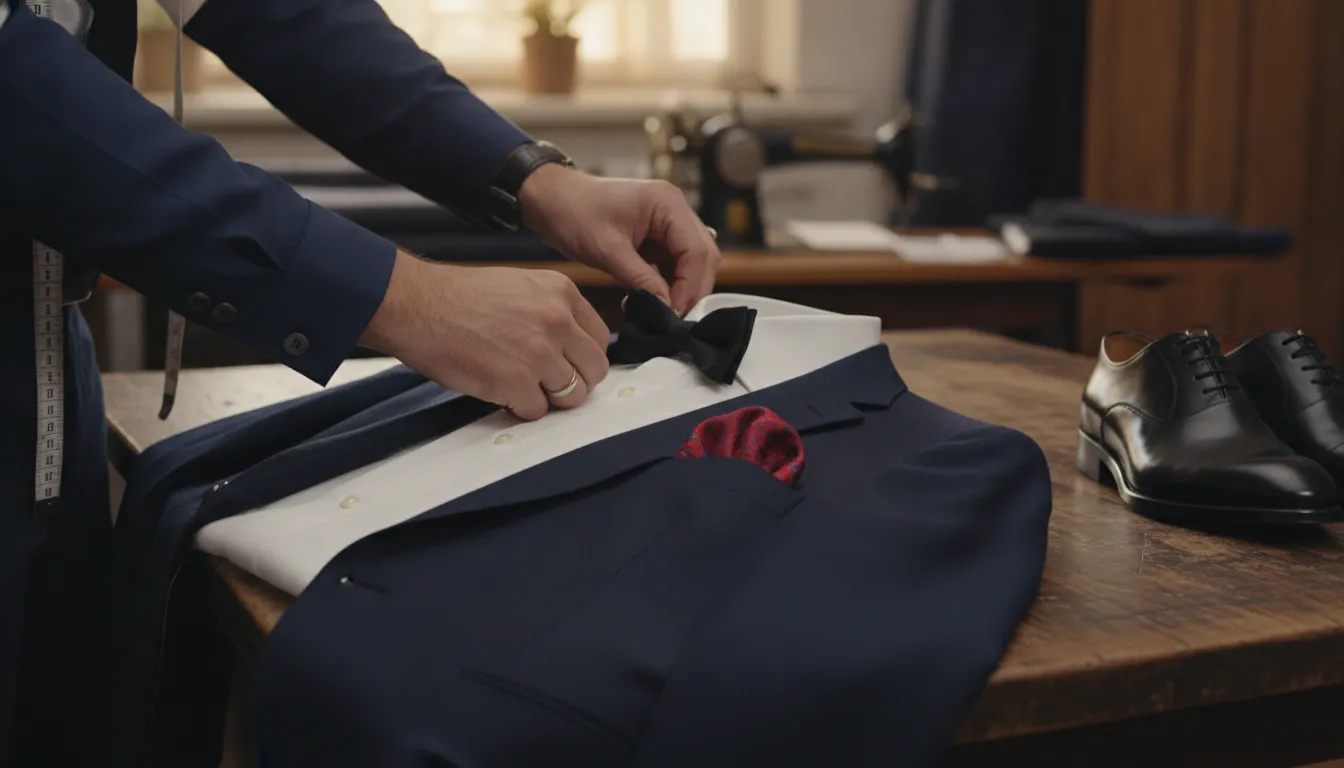
A dark suit and a tuxedo are related, but they communicate different levels of formality. A formal suit typically includes a navy, charcoal, or similarly deep jacket and matching trousers, a dress shirt, a necktie, and leather dress shoes. The details can be elegant and personal, but the outfit remains grounded in traditional suit construction.
A tuxedo is the more formal choice. It usually has satin details on the lapels and trousers, along with a formal shirt, bow tie, and dress shoes suited to black-tie dressing. If the invitation specifies black tie, follow that direction rather than treating a dark business suit as an equivalent. If it says black-tie optional, either a tuxedo or a dark formal suit may be appropriate, depending on the celebration and your role.
A concise formal wedding outfit checklist
Use this checklist as a final review before the ceremony.
- Dark, coordinated suit in an event-appropriate fabric.
- Well-fitted dress shirt with a restrained collar and finish.
- Necktie for formal dress, or bow tie when black tie is requested.
- Polished leather dress shoes and matching belt, when appropriate.
- Subtle accessories, such as a pocket square, watch, or cufflinks.
- Professional alterations for the shoulders, sleeves, trousers, and jacket length.
The goal is not to assemble the most expensive-looking outfit. It is to create a composed look that respects the wedding’s formality. You should also be able to move comfortably through the ceremony, photographs, dinner, and celebration. When the wording feels unclear, bring the invitation and any color guidance to a wedding attire consultation. A stylist can help translate the dress code into a complete look that feels like you.
How Should Men Interpret Black Tie, Formal, and Semi-Formal Invitations?
Invitation language gives you the starting point, but the goal is not to dress by a label alone. Read the stated dress code alongside the venue, time of day, season, and the couple’s overall vision. When the wording feels open to interpretation, it is generally better to choose the more polished option and remove a layer later than to arrive underdressed.
For formal dress men wedding guests can usually rely on a dark, well-fitted suit, a dress shirt, a tie, and polished leather shoes. Black tie moves the look into tuxedo territory, while semi-formal and cocktail attire allow more flexibility without becoming casual. The distinction is easiest to see when the core look and the practical expectations are considered together.
| Dress code | Core look | Practical note |
|---|---|---|
| Black tie | Black tuxedo, formal dress shirt, black bow tie, and formal shoes | Choose this when the invitation clearly requests black tie. Keep the styling clean and restrained. |
| Black-tie optional | Tuxedo or a dark formal suit with a tie | A tuxedo is welcome, but a sharply tailored navy, charcoal, or black suit is an appropriate alternative. |
| Formal | Dark suit, dress shirt, tie, polished leather shoes, and refined accessories | Prioritize a precise fit and a cohesive color palette. This is more structured than cocktail attire. |
| Semi-formal or cocktail | Coordinated suit, or an elevated blazer with tailored slacks, dress shirt, and polished shoes | There is room for seasonal color and texture, but the complete look should still feel intentional and wedding-ready. |
When the invitation is unclear
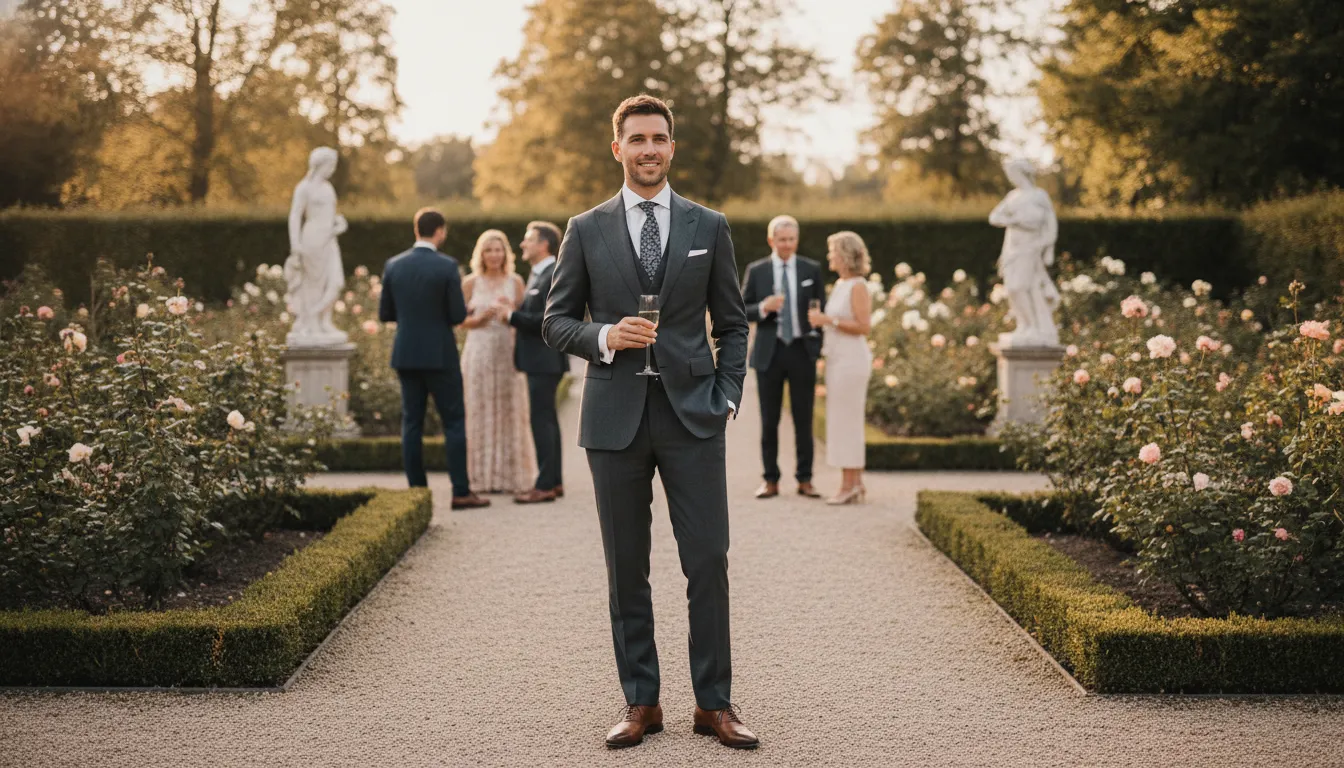
Look for additional signals. An evening celebration in a grand ballroom may call for a darker, more formal interpretation than an afternoon garden ceremony. Even when both invitations say “formal,” the wedding party’s attire can also clarify the intended level of dress. If the couple has shared a mood board, wedding website, or specific color guidance, use it as direction rather than treating the dress-code phrase in isolation.
Grooms and wedding parties should make the choice even more deliberately. The groom’s look needs to respect the ceremony, photographs, and reception while coordinating with the couple’s colors and the venue. A relaxed style consultation can help translate a broad phrase into the right tuxedo, suit, shirt, and accessories. For a deeper look at the middle ground between formal and casual, explore semi-formal wedding attire.
How Do Venue, Season, and Time Change the Right Choice?
The same wedding outfit can feel perfectly considered in one setting and out of place in another. Before choosing between a tuxedo, dark suit, or more relaxed formal combination, look at the venue, the time of day, and the season. These details help shape color, texture, and degree of formality, but they should refine the dress code rather than override it.
Let the setting guide the mood
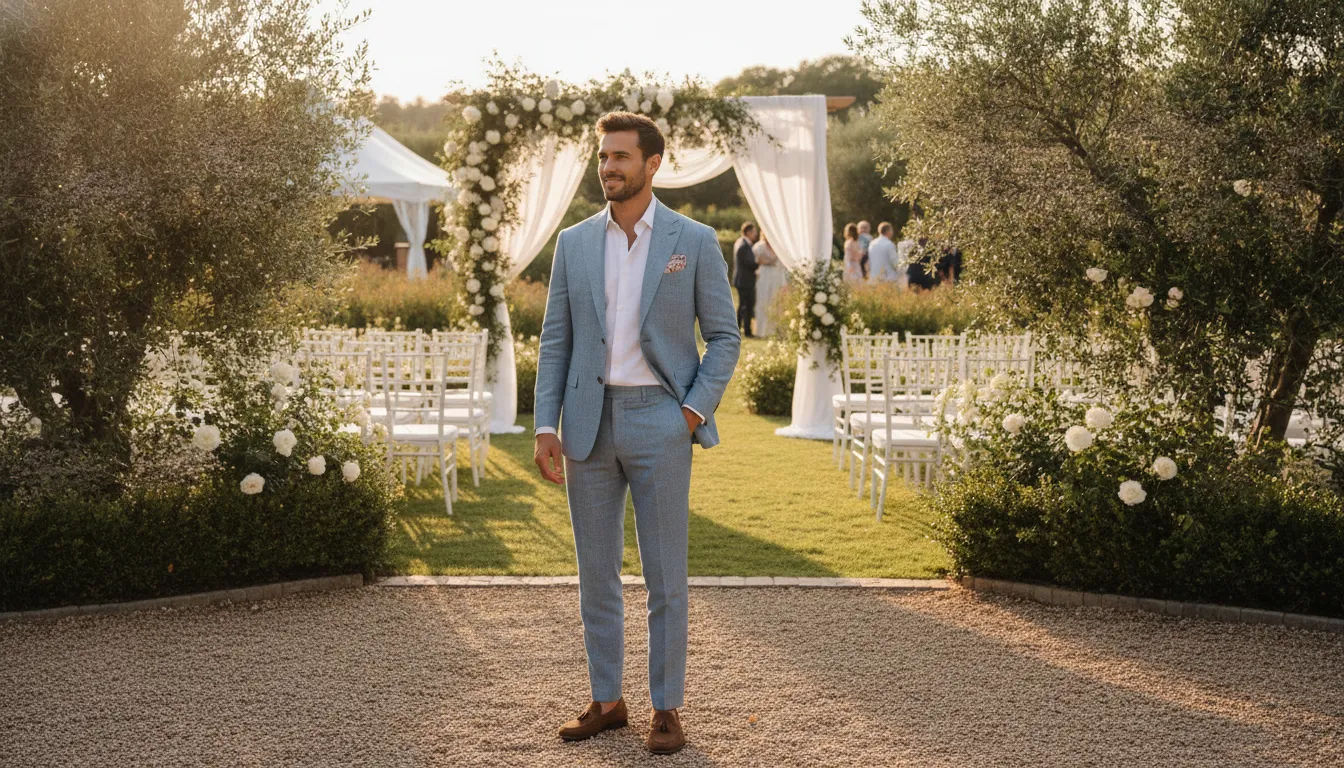
A grand ballroom usually supports the clean lines and deeper palette of black tie or formal dress. A dark tuxedo, crisp shirt, and restrained accessories can echo the evening atmosphere without competing with the couple. For a garden, estate, or beach celebration, the same level of care may take a lighter visual direction. A softly colored suit, a more textured cloth, or an elegant blazer and trouser combination can feel connected to the surroundings when the invitation allows it.
Outdoor does not automatically mean casual, however. A garden ceremony with a formal invitation still calls for formal dress. The location can influence the color and texture of the look, while the stated dress code establishes its boundaries.
Use time and season as thoughtful modifiers
Evening weddings generally lend themselves to darker, more polished combinations, especially when the invitation says black tie or formal. Daytime ceremonies can welcome a little more tonal variation, provided the overall look remains appropriate for the wording. A midday formal wedding may call for a carefully chosen suit rather than an evening tuxedo, unless the couple has clearly requested black tie.
Season also helps determine which fabrics and colors feel natural. Warm-weather celebrations often suit lighter tones and breathable-feeling textures, while cool-season weddings can support richer colors and more substantial visual texture. The goal is not to make a performance claim about any particular fabric. It is to create harmony between the clothing, the surroundings, and the experience of the day.
Keep the couple’s direction at the center
Invitation language remains the first reference point, followed by any specific guidance from the couple or wedding planner. If the invitation is unclear, ask before making assumptions. The couple’s palette, the bride’s dress, the rehearsal dinner, and the official wedding look may all be relevant when building a coordinated wardrobe. Trevor Furbay’s Signature Style Session considers these details alongside the wedding setting and formality, helping the clothing tell one coherent story. Explore a wedding attire consultation for a more personal approach to the decision.
For a groom or wedding party, this conversation is especially valuable. Rather than selecting formal dress men wedding options in isolation, bring the invitation, venue details, color direction, and timeline to the consultation. The result can be polished, comfortable, and unmistakably aligned with the couple’s vision.
What Should the Suit, Tuxedo, and Shirt Fit Look Like?
Fit is what makes formal wedding clothing look intentional rather than simply purchased for the occasion. A well-chosen suit or tuxedo should follow your natural posture. It should sit cleanly at the shoulders and create a balanced silhouette when you are standing, walking, greeting guests, and appearing in photographs. The goal is not a rigidly tight garment. It is a comfortable, polished line that respects your proportions.
Start with the shoulders and overall balance
The shoulder area deserves particular attention because it establishes the shape of the entire jacket. The seam should follow your shoulder rather than extending noticeably beyond it, while the collar should rest neatly against the back of your neck. From there, the jacket should drape smoothly across the chest and back without pulling when you button it. A professional fitting also considers posture and body shape. One person’s shoulder angle, back arch, and overall proportions may call for different adjustments than another person’s. These details are part of the Atelier Munro fitting process at Trevor Furbay Bespoke.
For a tuxedo, the same principles apply, with additional attention to the clean relationship between the jacket, shirt front, trousers, and formal waistband. A suit or tuxedo that fits well should allow you to sit comfortably and move naturally without losing its shape. The jacket should not look strained across the buttons, and the trousers should fall cleanly without excessive bunching. These are professional tailoring decisions, not instructions for making alterations at home.
Choose a shirt that supports the jacket
A dress shirt should complement the jacket rather than compete with it. The collar should sit comfortably around your neck and support the chosen tie or bow tie. The sleeves should extend naturally to the wrist, with a modest amount of cuff visible beneath the jacket sleeve. The shirt body should remain neat when tucked, but it should not restrict breathing or movement. Small fit problems become more noticeable during a long ceremony, reception, or series of formal photographs, so the shirt deserves the same care as the outer layer.
Use fabric and details to make the look personal
Custom formalwear gives you room to shape the character of the outfit while keeping the fit refined. Fabric weight, texture, and color can support the season, venue, and level of formality. A tuxedo may call for a restrained, elegant finish, while a formal suit can offer more flexibility for the ceremony, rehearsal dinner, and future events. The right choice depends on the wedding setting and your personal style, not on a fixed formula.
Atelier Munro offers thousands of fabric choices along with personalized linings, buttons, and monogramming. Those details can make a wedding garment feel distinctly yours without overwhelming the overall look. Explore custom tailoring services through a consultation-led process that considers fit, fabric, and how you want to wear the clothing after the wedding. A thoughtful professional fitting brings these decisions together so your formal dress for a men’s wedding setting feels comfortable, balanced, and genuinely personal.
Which Accessories Complete Formal Dress for Men at a Wedding?
Accessories should make the outfit feel intentional, not assembled from competing statements. Start with the invitation and the couple’s color direction, then choose details that support the suit or tuxedo’s level of formality. The right finishing pieces bring polish while leaving room for the wedding party, the setting, and the person wearing them to remain the focus.
Choose neckwear with the dress code in mind
A tie is the natural choice with a formal suit. A solid, subtly textured, or restrained patterned silk tie can add personality without distracting from the ceremony. For black tie, a bow tie is the traditional partner to a tuxedo. If the invitation says black-tie optional, either a tuxedo with a bow tie or a dark formal suit with a long tie can be appropriate. The key is to make the choice look deliberate rather than treating the two options as interchangeable pieces.
Color should relate to the wedding without matching every flower or attendant’s accessory exactly. A wedding’s palette can guide the depth and temperature of your tie, while the fabric and scale keep the look personal. Research on clothing occasions has found that ties are most frequently associated with festive and formal settings. That includes weddings and reflects their role as a visual signal of the occasion. Read the academic research on ties and formal occasions.
Build a considered set of finishing details
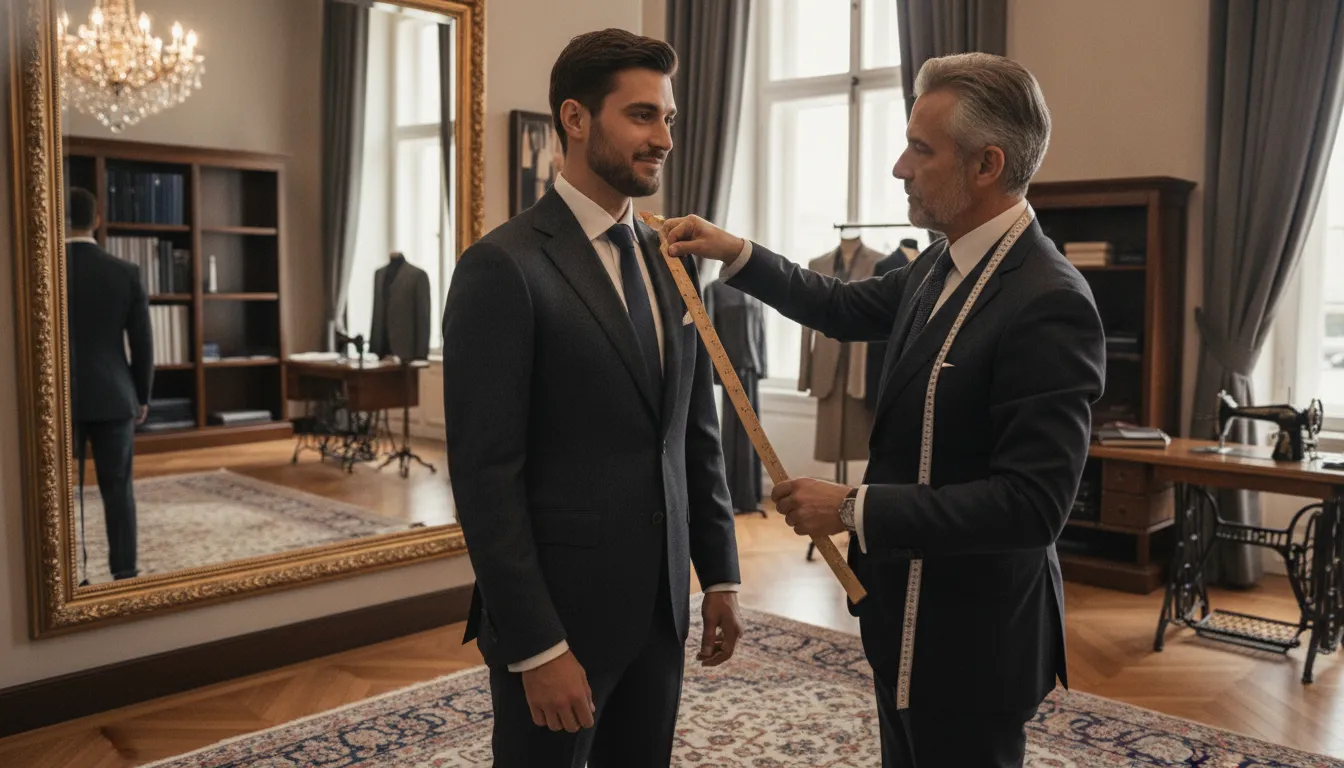
A pocket square can echo the tie’s color family without being an exact duplicate. White linen is a reliable choice for a formal suit, while a restrained texture or border can introduce interest. Fold it cleanly and let it complement the jacket rather than compete with the boutonniere.
Cufflinks are most useful when the shirt is designed for them. Choose a simple metal, enamel, or stone detail that works with other hardware, especially the watch. A watch should be elegant and unobtrusive. For a black-tie wedding, a slim dress watch is generally more at home than a large sport watch. But the invitation and the overall mood still matter more than rigid rules.
Socks can quietly connect the look. Dark solid socks are dependable with formal trousers, while a subtle pattern can add character when the rest of the outfit is restrained. Avoid novelty motifs that pull attention below the waist. Shoes should be polished, well maintained, and appropriate to the suit’s formality. Black leather is a natural choice for the most formal settings. With an elevated semi-formal suit, carefully chosen dark brown or burgundy leather may work when it harmonizes with the fabric and venue.
When several people are dressing together, coordination matters more than uniformity. A shared level of formality and a thoughtful color relationship will look more sophisticated than identical accessories on everyone. Professional wedding styling can help balance those details with the couple’s vision, the rehearsal dinner, and each person’s proportions.
When Should a Groom or Guest Book a Wedding Style Consultation?
The best time to begin is four to five months before the wedding. That window gives a groom or guest room to clarify the dress code. Coordinate with the couple’s vision, select the right level of formality, and allow time for professional fitting. It is especially valuable when several people need coordinated attire or when the wedding includes more than one important look.
A consultation is not reserved for the groom. A guest who feels uncertain about formal dress, black tie, or an elevated semi-formal request can also benefit from an experienced point of view. The goal is a confident, considered outfit that respects the celebration without making the guest look interchangeable with the wedding party.
-
Book Your Consultation
Start by reserving a wedding style consultation four to five months ahead. Cincinnati is Trevor Furbay’s flagship location. Columbus/Dublin consultations are appointment-based, so guests and wedding parties should plan ahead when choosing that location. Sharing the invitation, venue, wedding date, and any guidance from the couple before the appointment helps the stylist understand the setting and the formality involved.
-
Signature Style Session
During the Signature Style Session, the conversation moves beyond a single suit or tuxedo. The stylist considers the wedding setting, stated formality, color scheme, the bride’s dress, rehearsal-dinner plans, and the official wedding looks. For a groom, this may mean shaping a distinctive custom suit, tuxedo, or dinner jacket. For a guest, it may mean refining a dark formal suit, selecting appropriate neckwear, or finding the balance between polished and overly ceremonial. The session is collaborative and relaxed, with the hospitality-led atmosphere Trevor Furbay is known for, including an in-house bar and kitchen with beverages, coffee, cookies, and refreshments.
-
Final Fitting
After the look and garments are selected, the fitting stage confirms that the proportions work in motion as well as in photographs. Professional tailoring addresses the relationship between the garment and the wearer rather than relying on a generic size. This step also gives the customer an opportunity to review the complete outfit together, including the shirt, neckwear, shoes, and accessories, so small details support the overall formality.
-
Bespoke Suit Presentation
The final stage is the Bespoke Suit Presentation, when the completed wedding look is reviewed and delivered. Trevor Furbay describes the wedding process as taking three to six weeks from start to finish. Beginning several months early leaves useful breathing room around that documented process, particularly when a wedding party requires coordination or a customer needs more than one outfit.
Whether you are planning the central wedding look or choosing formal dress as a guest, a personal consultation can replace uncertainty with a clear, tailored plan.
Frequently Asked Questions
What is formal dress for a man at a wedding?
Formal wedding attire typically means a dark, well-fitted suit, a dress shirt, a coordinating tie, polished leather shoes, and refined accessories. The invitation sets the baseline, while the venue, time, season, and couple’s preferences help determine the appropriate color and level of detail. If the invitation says black tie, choose a tuxedo and bow tie instead.
Can a man wear formal wedding attire without a jacket?
Usually not. A jacket is a central part of a formal look, and removing it can make the outfit feel unfinished, especially during the ceremony, photographs, and dinner. If the event is explicitly described as semi-formal, cocktail, or casual, a polished shirt and tailored trousers may be appropriate at certain points. Follow the couple’s stated dress code rather than assuming a jacket is optional.
What should a man wear to a formal wedding in summer?
Start with the invitation and choose a breathable, season-appropriate fabric that still holds its shape. For formal dress, a dark or mid-tone suit with a dress shirt, tie, leather shoes, and restrained accessories remains a reliable choice. Outdoor venues may allow lighter colors or textures when the dress code permits, but heat alone does not make a formal requirement disappear.
How early should a groom or wedding guest plan formal attire?
Grooms and wedding parties should begin wedding attire consultations four to five months before the wedding day. That timing leaves room to discuss the setting and dress code, coordinate the group, complete professional fittings, and make considered decisions about fabrics and accessories. Guests with a clear invitation can often shop sooner, particularly when custom tailoring or a more complex fit is involved.
Book Your Wedding Style Consultation
The right formal look should reflect the dress code, setting, and the couple’s vision while still feeling natural to wear. A focused style consultation can help you refine those choices, from the suit or tuxedo through the finishing details and fit.