
How much does a custom suit cost? There is no single price that fits every custom suit. The investment depends on the cloth, the details you select, the level of customization, and the work needed to create a fit that feels right for you. A useful estimate starts with what you want the suit to do: serve as a dependable workhorse, mark a wedding, or fill a specific gap in a considered wardrobe.
Rather than begin with a number detached from the garment, build a clear brief and discuss it with a clothier. That gives you a way to compare options thoughtfully without treating every fabric or design choice as interchangeable. Here is what to consider, what to ask, and how to prepare for a custom-suit consultation.
What determines how much a custom suit costs?
A custom suit is shaped by several choices that work together. Fabric is one part of the decision, but it is not the only one. The design, intended use, fit preferences, and level of personalization all influence the final garment. A consultation-based estimate should reflect the specific suit you are discussing, not a generic category.
At Trevor Furbay Bespoke, custom tailoring is consultation-based, with pricing dependent on fabric and customization. If you are considering a custom suit and styling appointment, it helps to talk through your priorities before choosing details. An adviser can guide you through the options and help distinguish a feature that solves a real wardrobe need from one that simply sounds appealing.
Before discussing details, think about the job this suit needs to do. A suit worn often for work has different practical priorities from one intended for a single event. A garment that needs to coordinate with several shirts and shoes may call for a quieter palette, while an occasion-specific suit can be shaped around its venue and dress expectations. These distinctions help focus the conversation on choices that matter to you.
It is also useful to clarify what an estimate describes. Ask whether it covers the particular garment and customization you have discussed, and what fitting steps or follow-up are included for your order. Avoid comparing a bare number without knowing whether the cloth, design, and process are alike. A clear scope makes it easier to decide whether an option suits your needs and budget.
How does the fabric affect the investment?
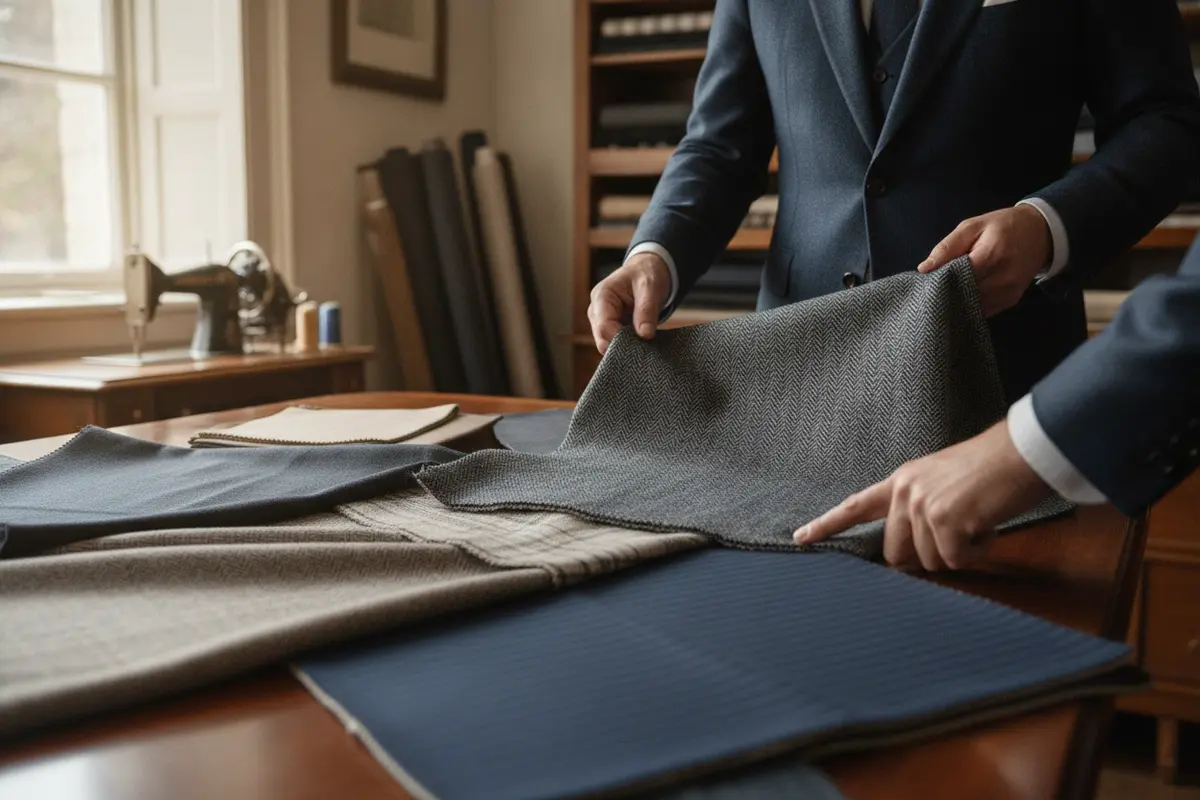
Cloth has a strong influence on both the look and feel of a suit. Weight, texture, drape, pattern, and intended season are practical considerations. A fabric that feels comfortable through a long workday may be different from one chosen for a summer wedding or an evening occasion. Some clients also prioritize a distinctive pattern or a particular mill and cloth collection.
Do not choose cloth by a label or a swatch alone. Ask to handle the options, see how they look in natural light, and consider what shirts, shoes, and other pieces you already own. A versatile solid or subtle pattern can work across more settings than a pronounced design, while a special-occasion suit can be more expressive if that is the goal.
Fabric selection should follow the garment’s purpose and your comfort preferences. Think about where you will wear it, how often, and whether you need it to coordinate with existing pieces. If you are planning a broader wardrobe, the clothier can help you weigh a suit against options such as custom jackets and sport coats or custom trousers.
When you look at swatches, compare them in relation to your actual wardrobe rather than in isolation. A navy or charcoal cloth, for example, may connect with shirts and shoes you already wear; a more noticeable check or lighter shade may bring a different kind of versatility. Consider when and where you will wear the suit, how warm or cool the setting tends to be, and whether you need one garment for a range of occasions or a distinctive look for a specific event. Bring photographs of outfits you like if describing colors and textures feels difficult. Those references can help a clothier understand your preferences and narrow the choices.
Which design choices can change the cost?
Customization is not a single switch. It is a set of decisions about silhouette and details. Lapel shape, button stance, pockets, vents, lining, and trouser features can all contribute to the design brief. The right combination depends on your taste, the setting, and how much flexibility you want from the suit.
Use the following table as a discussion guide. It does not assign fixed prices: the effect of any choice depends on the cloth and the specific customization available for the garment.
| Decision | What to consider | Question to ask |
|---|---|---|
| Cloth | Weight, feel, texture, color, pattern, and likely occasions | Will I wear this mostly for work, events, or both? |
| Jacket design | Lapel, pockets, vents, buttons, and overall silhouette | Which details suit my style and the settings where I will wear it? |
| Trousers | Rise, leg shape, waistband details, and how they coordinate with the jacket | What fit and movement do I want through a typical day? |
| Personalization | Selected details that make the garment feel individual | Which choices matter to me after the first few wears? |
| Fit and follow-up | Measurements, fitting needs, and any adjustments discussed with the clothier | What does the process include for this particular order? |
Some design choices are primarily aesthetic; others affect how a garment works for you. Decide which category matters most before adding details. For instance, a distinctive lining may be personally meaningful, while a trouser shape that works comfortably with your usual shoes may affect how often you reach for the suit. You can explore options in the guide to suit lapel styles and bring questions to your appointment.
It can help to make choices in order. First settle on the suit’s use and the general silhouette. Next, compare cloth and color. Then consider features such as pockets, buttons, and lining. This order keeps decorative decisions from distracting from the garment’s main purpose. If a design detail is unfamiliar, ask the clothier to explain how it changes the appearance or wear of the suit. You do not need to select every option just because it is available; choose details that fit your taste and make sense for the way you plan to dress.
How do fit and fittings fit into the decision?
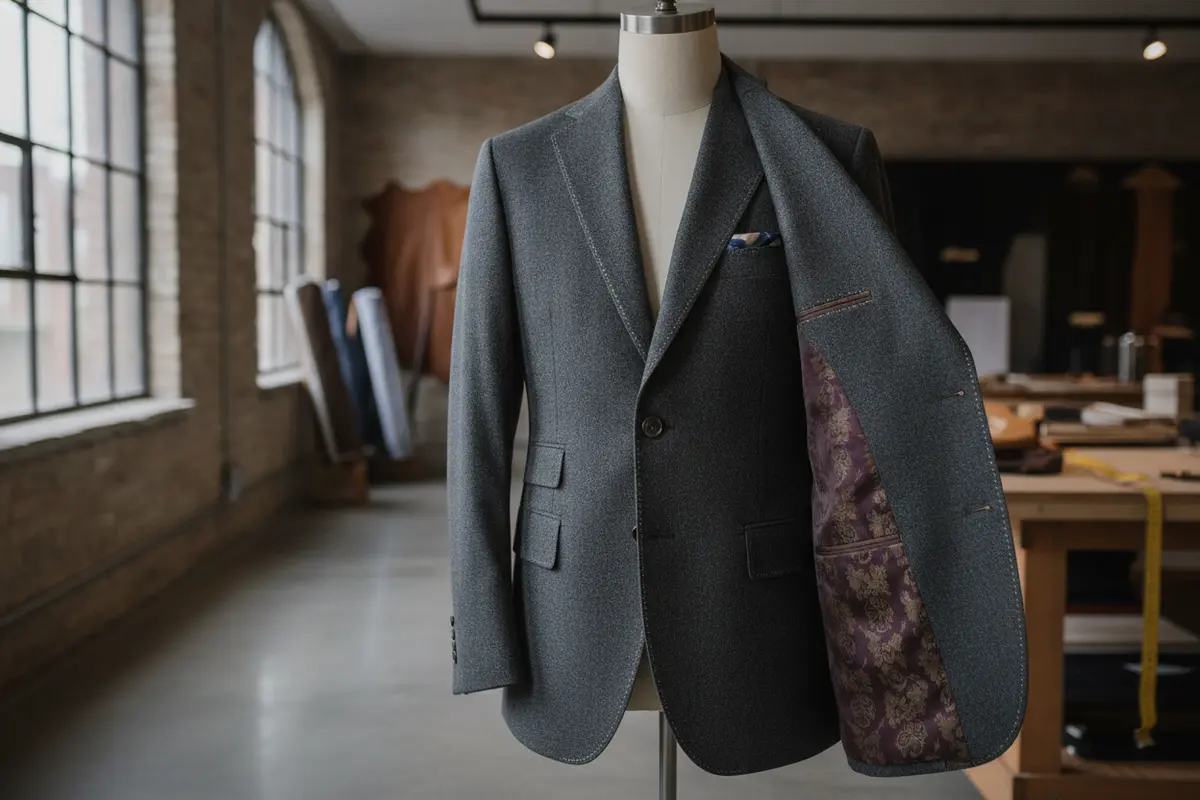
The purpose of custom tailoring is to create a garment around the wearer’s measurements and preferences. Fit is personal: one client may want a close silhouette, while another may prioritize ease of movement or room for layering. Tell your clothier what does and does not feel comfortable in the clothes you already wear. Specific feedback is more useful than asking for a suit to be simply “slim” or “classic.”
Consider how you stand, sit, reach, and move during a normal day. Think about sleeve length, trouser break, jacket length, and how the garment should feel when buttoned. A fitting conversation can account for your preferences, but it is important to be clear about the clothes and occasions you have in mind.
Ask what measurements, fitting appointments, and follow-up are part of the process for the suit you are ordering. Those details should be explained for your particular garment rather than assumed. If you are new to the process, this guide to what to wear to a custom suit fitting can help you arrive prepared. For another overview, see the custom tailoring process.
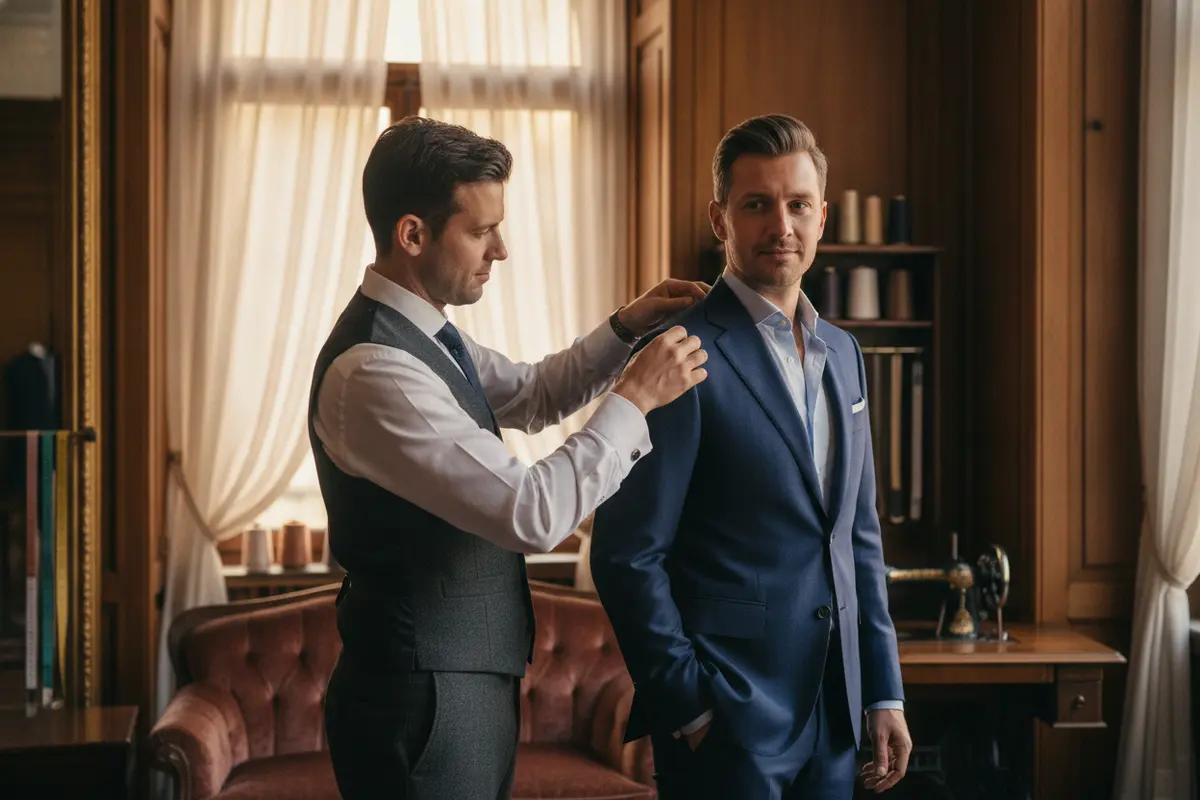
Use a fitting to describe how the garment feels in motion, not only how it looks while standing still. Notice whether you can sit comfortably, reach forward, and move your arms without feeling restricted. If a jacket feels different with it buttoned than unbuttoned, say so. You can also mention whether you expect to wear a sweater or other layer underneath. Clear, practical feedback gives the clothier useful information for discussing adjustments and preferences. Confirm which fitting stages apply to your specific order and what to expect next before you leave each appointment.
What kind of custom suit are you planning?
The intended use can help you make smart choices about cloth and design. These examples are not set packages or price tiers. They are starting points for a conversation about how to balance versatility, expression, and fit.
A suit for frequent work use
If you expect to wear a suit regularly, begin with comfort and coordination. Think about your usual shirts, shoes, and work settings. A restrained color and pattern may make it easier to wear the jacket and trousers together or, depending on the design, separately. Prioritize a fit that works while seated and moving through a full day. Add personal details only after you have settled the practical foundation.
Before the appointment, make a short list of the settings where you wear a suit and the pieces you usually pair with it. If you commute, travel, or spend long periods seated, mention that when discussing comfort and cloth. If you need the suit to move between client meetings and evening occasions, explain the range of settings rather than naming only one. These details can help you and the clothier evaluate whether a pattern, shade, and level of formality will be useful over time.
A suit for a wedding or milestone
An event suit can be more specific to the occasion. Venue, season, dress expectations, and the rest of the wedding party’s attire may shape your choices. If you are the groom, begin planning four to five months before the wedding so there is time to discuss the look and process. Trevor Furbay Bespoke’s wedding wardrobe process covers discovery and planning, styling and selection, measurements and fitting, and final fitting and delivery. Start with a wedding attire consultation to talk through the event and timeline.
For an event, bring the date, venue details, and any dress guidance you have received. Share what the wedding party plans to wear so your look complements the occasion without requiring every detail to match. Think about whether you want a suit you can wear again in other settings or a more individual choice tied closely to the celebration. Early planning is especially useful when several people need coordinated attire or when you want time to consider cloth and fit without rushing.
A suit to fill a specific wardrobe gap
You may already own formalwear but need a suit for an industry event, travel, or a different season. Name the gap before selecting cloth. If the need is actually a versatile jacket for less formal settings, compare it with a custom casual clothing option or a separate sport coat. Choosing the right kind of garment is often more useful than adding another suit that serves the same role as one you own.
To identify the gap, look at your calendar and current wardrobe. Which occasions leave you uncertain about what to wear? Is the missing piece formal, relaxed, or season-specific? What colors and garments do you reach for already? A few concrete examples help keep the appointment focused. You may find that a full suit is the right solution, or that another tailored piece addresses the need more directly.
How can you set a useful budget without a price list?
Start with a range that feels comfortable for your wardrobe, then explain what you hope to get from the garment. Since custom pricing depends on fabric and customization, a clothier needs to understand the choices before offering a meaningful estimate. You can ask for options that keep the suit aligned with your priorities without requesting a one-size-fits-all figure.
- Define the use. Explain how often you expect to wear the suit and which occasions it needs to serve.
- Identify the non-negotiables. Fit, comfort, a particular color, or an event requirement may matter more than optional design details.
- Separate essentials from extras. Ask which choices are central to the garment and which are additional personalization.
- Discuss alternatives. If an option exceeds your comfort zone, ask whether another fabric or design approach could meet the same need.
- Confirm the scope. Clarify what the quoted garment includes and what is handled separately, including any fitting or follow-up arrangements.
This kind of conversation makes the estimate more actionable. It also gives you a record of what you are comparing. A lower or higher figure by itself tells you little if the cloth, design, and process are different. Ask for the choices to be explained in plain terms before deciding.
It can help to divide the discussion into three layers. First, describe the outcome: the occasions, season, and frequency of wear. Second, set the essential requirements, such as a comfortable shoulder, a particular color, or a silhouette that works with your existing wardrobe. Third, consider optional details only after the foundational choices are clear. If two alternatives are presented, ask what changes between them and how that difference will show up in daily wear. This makes a consultation less about collecting features and more about selecting a garment that serves a defined purpose.
When you review an estimate, check that you are comparing like with like. Are you looking at the same kind of cloth, a similar design, and the same understanding of the fitting process? If the answers differ, ask the clothier to walk you through the distinction. You do not need to have every preference settled before you visit; a central benefit of a personal appointment is having an experienced guide explain options in context. A conversation with the clothiers and stylists can help you turn broad preferences into a practical set of choices.
A simple way to make the budget discussion clearer is to write down three columns before your appointment: must-have, nice-to-have, and open to advice. A comfortable fit or a color suited to a wedding may be essential, while a particular pocket treatment may be optional. The list is not a fixed specification; it is a way to show where you want guidance. If an initial combination falls outside your range, ask which changes would have the greatest effect on the look and function you care about. Revisit the trade-offs one at a time, rather than removing several choices without understanding their role.
What should you ask at a custom-suit consultation?
Bring a few clear questions rather than trying to decide every detail in advance. A hands-on conversation lets you assess cloth and fit while explaining how you intend to use the suit. Consider asking:
- Which cloth options fit my intended season and frequency of wear?
- What design details affect the estimate for this suit?
- Which choices would make it more versatile with the clothes I own?
- What does the measurement and fitting process involve for this order?
- What is the expected timeline, and when should I make a decision?
- Can you show me a different option that keeps the look while changing the cloth or customization?
- How should I care for this garment once it is in my wardrobe?
You can make the consultation more productive by bringing a jacket or trousers whose fit you like, along with an example of what you find uncomfortable. These do not need to dictate the result; they give the clothier a concrete reference. If the suit is for an event, bring relevant details about timing and dress expectations. If it is for regular use, describe a typical workday and the clothes you pair most often. Specific examples help turn broad preferences into a considered plan.
If you are considering Atelier Munro, the company’s custom tailoring partnership is described as having three-to-five-week delivery timelines; confirm the current timeline and details for your particular order during consultation. The Atelier Munro suit guide offers another way to familiarize yourself with the offering before you visit.
When might a custom suit be the right choice?
A custom suit may suit someone who values personal guidance, wants to consider particular cloth and design options, or has fit preferences that are difficult to express through ready-to-wear alone. It can also make sense when a specific event calls for a considered look and the wearer wants to shape the details with a clothier.
It is not necessary to choose custom simply because the garment is formal. The decision should fit your needs, preferences, and budget. If you want help assessing the right next step, a consultation can also clarify whether a full suit, a jacket, trousers, or another wardrobe option better addresses the need. Explore custom suits and bespoke tailoring, or review the custom suit jacket guide as you prepare questions.
Frequently Asked Questions
Is there one standard price for a custom suit?
No. The investment depends on the cloth and customization selected, as well as the specific garment being planned. A consultation is the appropriate place to discuss options and receive an estimate for your choices.
Does a more expensive fabric always make a better suit?
Not automatically. The right cloth depends on how the suit will be worn, your comfort preferences, and the look you want. Compare feel, weight, texture, and versatility rather than selecting on a label alone.
What should I bring to a custom-suit appointment?
Bring an idea of the occasions you are dressing for and, if useful, examples of clothes or shoes you want the suit to coordinate with. Be ready to explain what you like and dislike about the fit of clothing you already wear. Your stylist can guide you through fabric and design decisions.
How long does it take to get a custom suit?
Timing varies by the garment and process. The Atelier Munro partnership is described as having a three-to-five-week delivery timeline, but confirm current timing for your order and allow extra time if the suit is for an event. Wedding customers should begin planning four to five months ahead.
Should I choose a custom suit or a custom jacket?
Choose based on the wardrobe need. A full suit offers a coordinated jacket and trousers, while a separate jacket may be more suitable if you need a less formal layer to pair with other pieces. A stylist can help you compare those options before you commit.
A well-planned custom suit starts with a clear purpose, thoughtful choices, and an honest conversation about fit and budget. Bring your questions to a personal consultation and shape an option around the way you actually dress.