
How much does a personal stylist cost? The useful answer depends on what you want help with: a single outfit, a wardrobe review, shopping for specific pieces, or an ongoing plan for getting dressed. A conversation about your goals and the service scope is the best way to understand the investment before you begin.
Why does a personal stylist’s cost vary?
Styling is a service, not one standardized product. The work can range from a focused appointment to a multi-part wardrobe project. A stylist may help you identify the right proportions, coordinate pieces you already own, shop for a specific event, or plan a more versatile closet. Those requests require different preparation, time, and follow-up.
When you ask about cost, clarify what the quoted service covers. Is the appointment a conversation and recommendation session, or does it include shopping, closet review, outfit planning, or later fittings? Does it cover one person or a couple? Are purchases separate from the service? These details matter more than a number without context.
At Trevor Furbay Bespoke, styling and tailoring conversations are personal and hands-on. The team can discuss your wardrobe goals and the right next step with you. Rather than assume a flat styling fee, ask about the scope of the service that fits your particular needs.

What kind of styling help are you looking for?
Start with the problem you want to solve. A clear goal makes it easier to match the service to the work and understand what you are paying for.
- One important occasion: You may need an outfit for a wedding, presentation, celebration, or formal event. The focus is on dress code, fit, coordination, and the pieces needed to complete the look.
- A more useful work wardrobe: You may want clothing that works across meetings, travel, and changing office expectations. This involves identifying gaps and building combinations from versatile pieces.
- A closet that feels hard to use: A wardrobe review can help you see what fits your current life, what works together, and what is missing. Closet cleaning or wardrobe consulting can provide structure to that process.
- Help choosing and fitting custom clothing: A custom garment involves decisions about fabric, design, measurements, and fittings. The price depends on fabric and customization, so a consultation is the right place to discuss specifics.
- Ongoing help discovering pieces: If you want a curated selection delivered for consideration, a service such as StyleBox offers a different format from an in-person shopping appointment.
Trevor Furbay offers personal styling expertise alongside custom tailoring and curated ready-to-wear. You can also learn about StyleBox, or explore the company’s wardrobe and personal-style guidance as you decide what kind of support makes sense.
What can affect the investment?
The time and preparation involved
A short appointment focused on one question is different from a wardrobe project that requires reviewing many garments, identifying outfit combinations, and sourcing new pieces. The more decisions and coordination involved, the more useful it is to agree on the scope in advance. Ask how much time is set aside and whether recommendations or follow-up are included.
The number and type of garments
Some styling questions can be answered by considering a few existing pieces. Others involve selecting several garments, coordinating accessories, or creating a set of outfits for different settings. Custom clothing adds its own choices. Fabric, silhouette, construction details, and the level of customization all shape a made-to-measure garment’s price. There is no single cost that applies to every custom suit or styling need.
If custom clothing is part of your plan, explore custom suits and bespoke tailoring, custom jackets and sport coats, and custom trousers. These options are best discussed in relation to your intended use, preferred fit, and budget.
Shopping and purchases
Styling guidance and clothing purchases are not necessarily the same charge. Before you start, find out whether a service includes shopping time, whether garments are purchased separately, and what happens if you decide not to keep a suggested item. This is especially important when comparing in-person styling with a curated delivery service.
For StyleBox, there is no styling fee; customers pay only for the items they keep. Complimentary delivery and pickup apply in Cincinnati. That model can suit someone who wants to try selected clothing at home. It is not the same as a full closet review or a custom-tailoring appointment, so choose according to the help you want.
Fit changes and tailoring
Fit is often part of a wardrobe decision. Ready-to-wear garments may need professional alterations, while custom garments are designed and fitted through a separate process. Ask what fitting appointments are included, whether alterations are a separate service, and what the expected timeline is. Do not assume that every stylist or styling appointment includes tailoring work.
For custom garments, Trevor Furbay’s custom styling and tailoring page can help you understand the service category. If you are considering shirts as part of a work wardrobe, see the details on custom shirts.
How do common personal styling formats compare?
Use the table as a starting point for a conversation, not as a price list. The actual scope and investment depend on your goals and the details agreed with your stylist.
| Format | What it may address | What to ask about cost and scope | Best fit when |
|---|---|---|---|
| Focused style consultation | A specific question, event, or set of wardrobe priorities | Appointment length, preparation, recommendations, and follow-up | You want expert direction before making a decision |
| Wardrobe consulting or closet review | Existing garments, gaps, outfit combinations, and closet priorities | How much of the wardrobe is covered and whether shopping is included | You want to make better use of what you own |
| Personal shopping | Finding selected pieces to fill a need or complete outfits | Styling time, shopping locations, and whether purchases are separate | You have a clear list but want help choosing well |
| StyleBox | A curated selection delivered for a try-on at home | For this service, there is no styling fee; customers pay for items they keep. Complimentary delivery and pickup are in Cincinnati. | You prefer to consider selected clothing at home |
| Custom tailoring appointment | Personalized garments, fabric and design choices, measurements, and fittings | Fabric, customization, garment type, and fitting process | You want clothing made around your preferences and measurements |
To compare options fairly, ask each provider to describe the same outcome. For example, compare a focused appointment to choose a work jacket with another focused appointment, rather than comparing it to an extensive closet edit. Separate the service itself from any clothes you may buy. That gives you a clearer sense of what the investment covers.
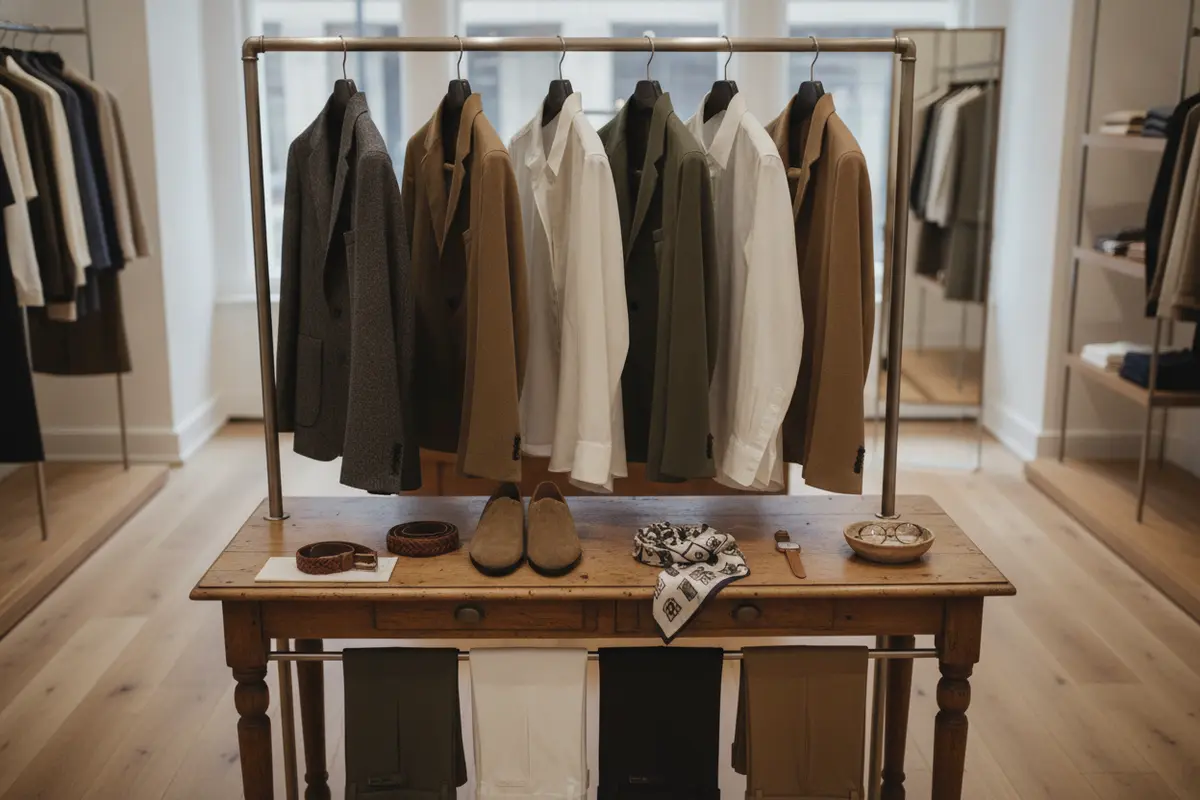
Imagine you want three reliable outfits for a new role. One option might be a consultation that helps you identify outfit formulas from clothing you already own. Another could involve shopping for a few missing pieces. A broader wardrobe review might consider your closet, workplace expectations, and how garments coordinate across a typical week. All three start with the same general goal, but the amount of work and the resulting plan differ. Ask what each option would actually include before comparing the investment.
It can also help to decide what success looks like. Is it knowing what to wear to an event, having fewer but more useful combinations, or feeling confident about fit and proportion? If the goal is specific, the stylist can recommend a focused service rather than an unnecessarily broad project. If your needs change during the conversation, ask how that affects the scope before adding work.
What should you ask before booking?
A few direct questions can make the process clear and keep expectations aligned. You do not need a finished wardrobe plan before speaking with a stylist. A short description of what is and is not working is enough to begin.
- What is included? Ask whether the service covers a consultation only, recommendations, closet review, shopping, outfit combinations, or follow-up.
- How is the service priced? Ask whether the price is based on appointment time, project scope, or a specific service format. If the scope is not clear, request an outline before agreeing.
- Are clothing purchases separate? Confirm whether garments and accessories are billed separately and whether you are expected to purchase anything.
- What should I bring or prepare? Find out whether to bring photos, a list of occasions, measurements, or garments you want to coordinate.
- Will tailoring or fittings be involved? If fit is important, ask about measurement and fitting steps, what is included, and what may be a separate service.
- What is the next step after the appointment? A useful consultation should leave you with a clear understanding of recommendations and any decisions still to make.
At a personal appointment, be candid about your routine, comfort, and budget for clothing. Mention whether you need polished options for client meetings, travel-friendly pieces, or clothes that transition from work to social occasions. A stylist can give more relevant guidance when the purpose is clear.
How can you get more value from a styling consultation?
Arrive with a few priorities rather than a long list of every possible wardrobe problem. Pick the two or three situations that matter most. For example, you might want a dependable outfit for presentations, a jacket that works with trousers you already own, and guidance on what to wear to a family celebration. Clear priorities help the appointment stay focused.
It also helps to bring examples. Save photos of outfits you like, note garments you reach for often, and identify pieces that remain unworn. Think about why something works or does not: the fit, color, formality, comfort, or how easy it is to coordinate. You do not need to use technical fashion terms. Practical observations are enough.
Be realistic about your daily routine. Consider how often you travel, whether your workplace has a dress code, how much care you want garments to require, and which occasions recur. A wardrobe is most useful when it reflects the life you actually lead. If you work in several settings, explain the transitions you need outfits to handle.
Finally, ask for priorities rather than trying to solve everything at once. A stylist may help you identify one versatile garment or a small set of combinations that addresses several needs. You can then decide whether to start with ready-to-wear, custom clothing, or a broader wardrobe review.
When is custom tailoring part of the answer?
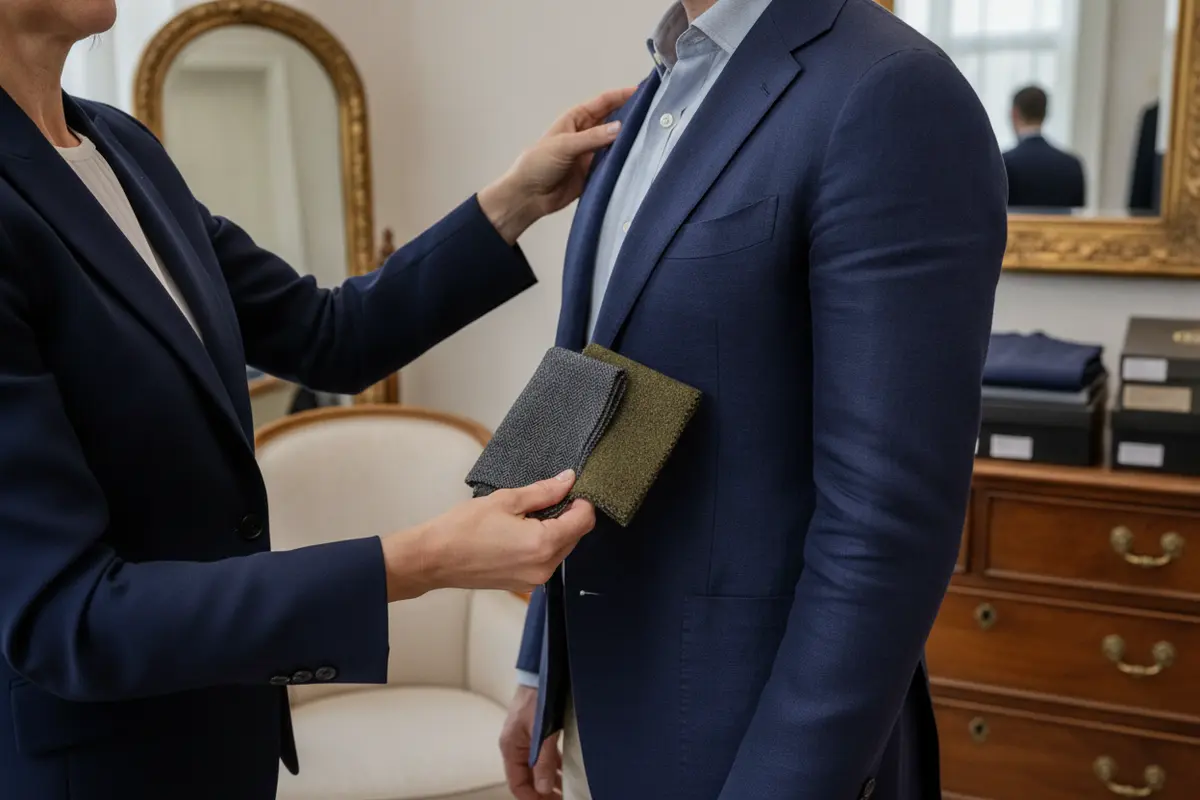
A personal stylist can help clarify what you need; custom tailoring is one possible way to meet that need. It may be worth discussing if ready-to-wear consistently misses the fit you want, if you have a particular fabric or design in mind, or if a garment will play an important role in your wardrobe. It is not automatically the right answer for every styling question.
Custom work starts with a conversation about the garment, how you plan to wear it, and the details that matter to you. Fabric and customization affect the investment. Measurements and fittings are part of reaching the intended fit, and timing depends on the garment and process. Talk through those specifics before deciding.
For weddings, planning ahead is especially helpful. Trevor Furbay recommends beginning four to five months before the wedding. The process moves through discovery and planning, styling and selection, measurements and fitting, and final fitting and delivery. You can review wedding attire and consultation details, or consider options such as custom wedding tuxedos when formalwear is part of the plan.
For a single event, the right conversation may be about dress code and fit rather than a full wardrobe project. See this guide to choosing a suit for a wedding guest for another perspective on planning an event outfit.
How do you choose the right service for your wardrobe?
Match the service to the kind of decision you need to make. If you know what is missing but want help selecting pieces, ask about personal shopping or curated options. If your closet is full but outfits feel difficult, wardrobe consulting may be more useful. If fit and individual garment details are the main issue, discuss custom tailoring. For clothing selected for you to try at home, learn how StyleBox works.
Location can also shape the experience. Cincinnati is the flagship location, Columbus/Dublin is appointment-based, and Harbor Springs is seasonal. If you are planning a visit, check availability and book an appointment rather than assuming each location has the same hours or service schedule. The appointment page is the place to start.
Keep the first step simple: explain what you want to improve and ask which service is appropriate. A thoughtful stylist should be able to describe the process, clarify what is included, and help you understand what choices remain yours. The goal is not to buy more clothing automatically. It is to make better-informed wardrobe decisions.
Frequently Asked Questions
Is there one standard price for a personal stylist?
No. Services differ in scope, time, format, and what they include. Ask for details about the particular appointment or project rather than relying on a general number.
Does a styling consultation include clothing?
Not necessarily. Confirm whether the service is guidance, shopping, or a curated try-on, and ask whether any clothing purchases are separate. With StyleBox, there is no styling fee, and customers pay only for the items they keep.
Is personal styling the same as custom tailoring?
No. Styling helps you make wardrobe and outfit decisions. Custom tailoring is a process for creating personalized garments through choices such as fabric and design, measurements, and fittings. The services can complement each other, but they answer different needs.
What should I bring to my first appointment?
Bring a short list of the occasions or wardrobe concerns you want to address. Photos of outfits you like, examples of garments you wear often, and notes on fit or comfort can also help. Ask in advance if the stylist recommends anything specific.
How early should I plan wedding attire?
For wedding attire, begin four to five months before the wedding when possible. This gives time for planning, selecting garments, measurements, fittings, and final delivery.
A personal stylist’s cost makes the most sense when you know what the service includes and how it addresses your wardrobe goals. Start with a clear question, discuss the scope, and choose the kind of support that fits your needs.
With a clear plan and personal guidance, you can make wardrobe choices with greater confidence and intention.