
How much does a tuxedo cost? The honest answer is that the price depends on what you choose and how you plan to wear it. Fabric, construction, customization, fitting needs, and whether you rent or buy all shape the investment. A wedding tuxedo also has a different purpose from a versatile formal outfit you expect to wear for years. Understanding those choices helps you compare options without focusing on a single number in isolation.
What determines the cost of a tuxedo?
A tuxedo is a coordinated formal look, but its cost is not one simple line item. The cloth, jacket details, trousers, shirt, accessories, fitting process, and service behind the purchase can all affect the total. Some choices are visible, such as a satin lapel. Others matter more when you put the garment on or decide how often you will wear it.
At Trevor Furbay Bespoke, custom tailoring is consultation-based. Pricing depends on the fabric and the customizations selected, so there is no one fixed custom-tuxedo price that applies to every client. A conversation with a stylist is the right way to discuss your priorities and understand the options for your occasion.
It helps to separate the decision into three parts: the garment itself, the details that complete the outfit, and the service or adjustments needed to get the fit right. When you receive or compare a quote, ask which of those parts it covers. Two prices may describe different things if one includes more components or fitting support than the other.
How do buying and renting compare?
Renting can suit someone who needs a tuxedo for one event and does not expect to wear formalwear often. Buying may make more sense if you attend formal events regularly, want a consistent fit, or would like to build a long-term wardrobe piece. Neither choice is automatically right for every wearer. Think about the number and type of occasions ahead, how particular you are about fit, and whether you value having your own garment ready to wear.
| Consideration | Renting | Buying or custom tailoring |
|---|---|---|
| Best suited to | An occasional event or a one-time need | Repeated formal occasions or a specific fit and style preference |
| Upfront commitment | Usually focused on the event period and rental terms | Depends on garment, cloth, details, and service selected |
| Fit and choice | Choice depends on the available rental range and alterations offered | Ready-to-wear selection or customization can offer more ways to personalize the look |
| After the event | Return the garment according to the rental provider’s instructions | Keep, care for, and wear the garment again when the occasion fits |
For a useful comparison, consider the full experience rather than the initial outlay alone. Ask what is included, what fitting or adjustment support is available, and what you will need to provide separately. A rental may involve a deposit, deadlines, or return conditions; confirm those terms with the provider. A purchase may include styling and fitting guidance, while a custom garment involves choices that affect both its appearance and its price.
You can make the comparison more concrete by listing the events you reasonably expect to attend, rather than assuming you will wear the tuxedo often. For example, someone with a single black-tie wedding on the calendar may value a rental’s limited commitment. Someone who attends formal fundraisers and celebrations each year may give more weight to personal fit and having an outfit ready. The point is not to calculate a guaranteed cost per wear, but to decide whether ownership matches your actual habits.
If you are preparing for a wedding, a tuxedo should work with the event’s formality, the wedding party, and the setting. You can review options for custom wedding tuxedos as you start planning.
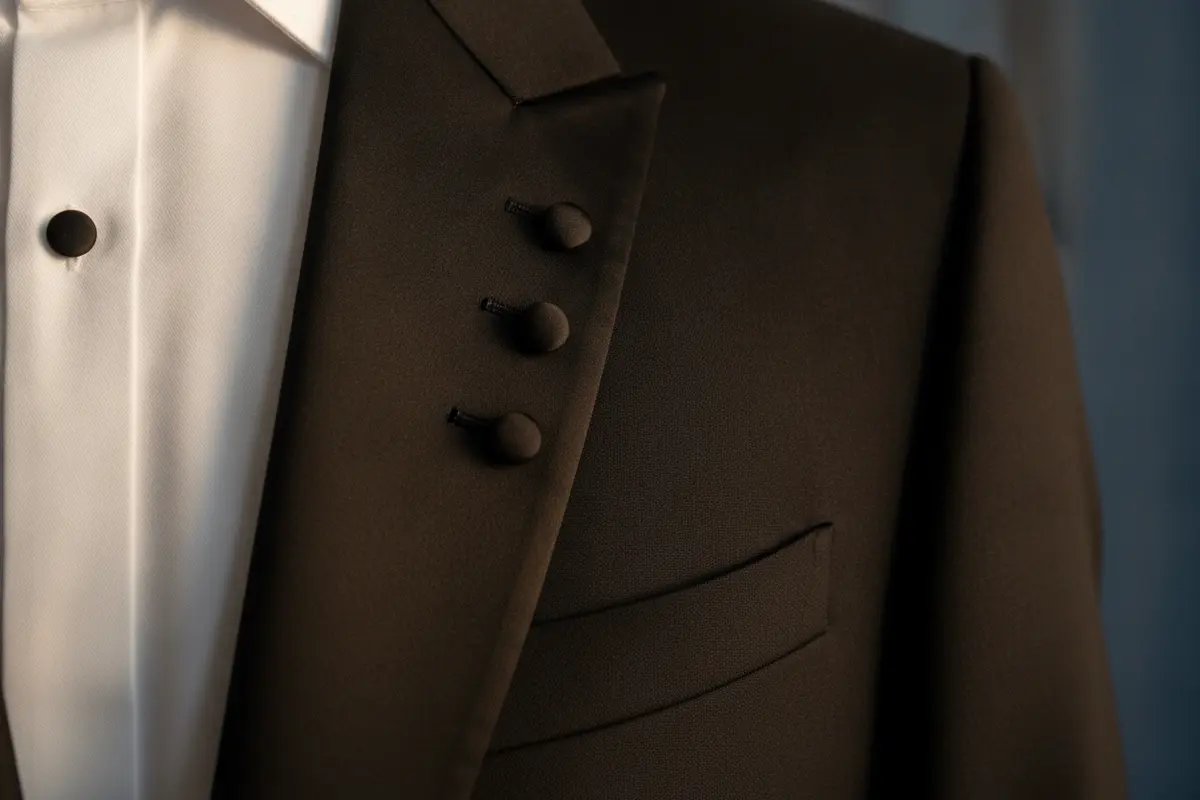
How does fabric affect tuxedo cost?
Fabric is one of the most important decisions because it shapes the garment’s look, feel, and suitability for the event. Cloths differ in fiber, weight, texture, drape, and finish. A lighter cloth may feel comfortable for a warm-weather celebration, while a different weight or texture may better suit a cooler season or a more structured appearance. These are choices to make in context, not rules that every wearer must follow.
When comparing fabrics, handle the swatches and see them under good light. Consider whether the surface is smooth or textured, how the cloth falls, and whether its color reads correctly alongside the wedding party’s attire. Think about the climate and the season, too. A stylist can help narrow choices based on how formal the occasion is and the look you want.
For a tuxedo intended for repeated wear, consider whether the fabric fits more than one kind of event. A classic dark cloth may be a practical foundation for formal occasions, while a distinctive color or texture may be exactly right for a personal wedding look. The most expensive-sounding fabric is not automatically the best choice; the right option is the one that fits your use, comfort, and preferences.
It can help to rank your fabric priorities before choosing. Start with the event: is it a traditional black-tie celebration, a warm-weather outdoor wedding, or a formal evening where you want a specific visual effect? Then consider comfort, the way the cloth looks under venue lighting, and how much versatility matters after the event. If you like two options, ask to compare them side by side with the shirt and lapel details you are considering. That makes it easier to distinguish a meaningful preference from a choice that simply looks attractive on a swatch.
Which construction and design details change the investment?
Construction refers to how a garment is built and finished. Details can vary by garment, so it is worth asking what construction approach is used for the specific jacket you are considering rather than assuming all tuxedos are made the same way. The make, finishing, and materials can influence how a jacket feels, moves, and holds its shape over time.
Design choices also make a difference. A tuxedo’s lapel shape and facing, button style, pocket treatment, and jacket silhouette contribute to its formality and character. Trousers may have a formal side detail and can be styled with braces or another appropriate option. The right combination should look intentional as a whole rather than like a collection of unrelated upgrades.
Customization gives you control over details such as silhouette, cloth, and selected design features. More choices can make the garment feel distinctly yours, but each selection should serve a purpose. A well-considered, restrained design may be easier to wear again than a set of details chosen simply because they are available. Explore custom suit and tailoring options or learn about custom jackets and sport coats to see how garment choices can vary across formalwear and everyday tailoring.
A useful way to manage customization is to decide what should be classic and where you want a personal note. You might keep the overall color and silhouette traditional, then express your taste through a lapel choice, a subtle lining, or an accessory. If you are unsure whether a detail will limit future use, ask how it changes the outfit’s formality and what other pieces would work with it. This keeps the conversation focused on the look you want rather than on adding options without a clear reason.
How much should you budget for fit and fittings?
Fit is central to how a tuxedo looks. Shoulder placement, jacket length, sleeve length, trouser break, and the ease through the chest and waist all affect the finished appearance. A garment that looks sharp on a hanger may feel different when worn, so fittings matter. The process can identify adjustments needed for balance, comfort, and clean lines.
With custom tailoring, the process includes discussing preferences and taking measurements, followed by fitting and refinement as appropriate to the garment. Timing and the number of fitting appointments depend on the order and the work required. Ask what the process includes and how the schedule works before settling on a plan. For guidance on preparing, read what to wear to a custom fitting; the same practical principle applies to formalwear: wear suitable underlayers and shoes when the stylist requests them.
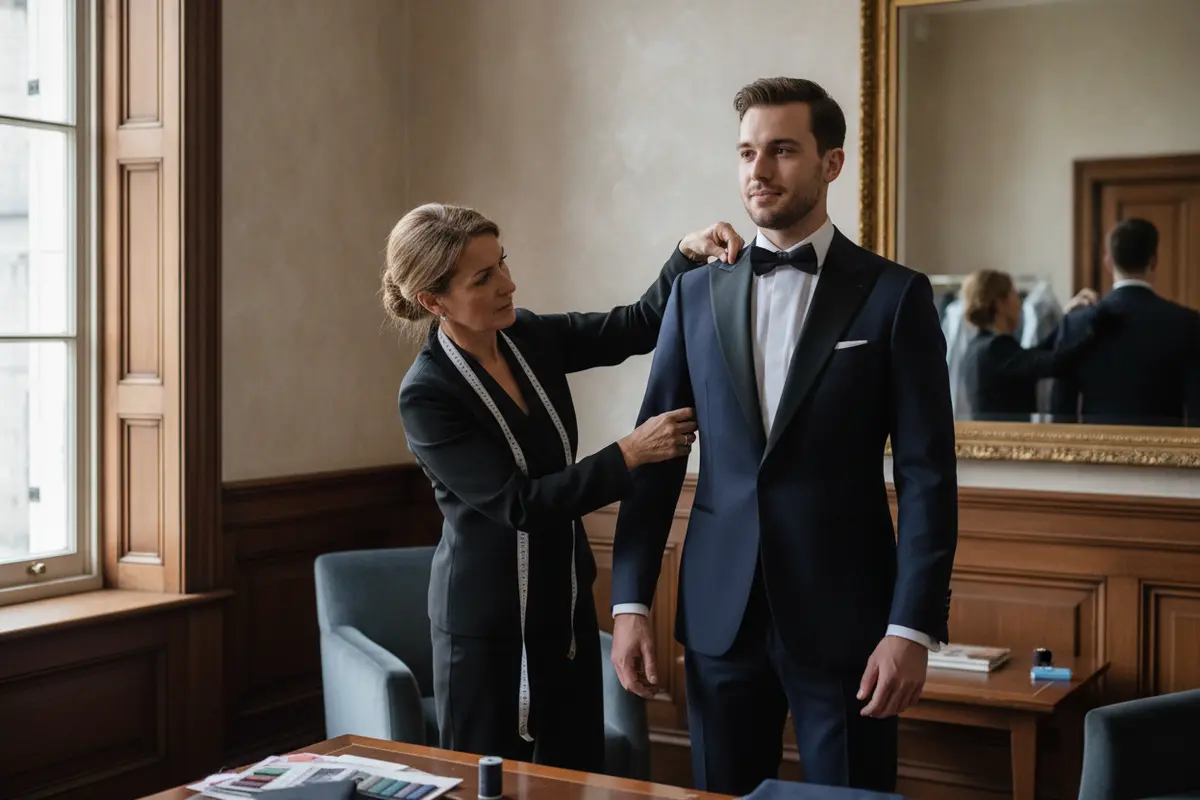
Fit also affects whether the piece will feel comfortable through a long ceremony, dinner, and reception. A jacket that restricts movement or trousers that sit poorly can distract from the occasion. Share how you expect to move and what you will wear with the outfit. If you are choosing a complete look, include the shirt and shoes in the conversation instead of treating the jacket as the only decision.
During a fitting, assess the garment while standing naturally and while moving. Sit, reach forward, and raise your arms as you might during the event. Notice whether the jacket stays balanced and whether the trousers remain comfortable. This is not a substitute for a stylist’s eye; it gives you specific feedback to share. If something pulls, feels restrictive, or shifts out of place, describe when it happens rather than trying to diagnose the alteration yourself.
Bring the shoes you expect to wear, or confirm what kind of shoes to bring, because footwear can change how trousers fall. The shirt and any waistcoat or other formal layer can also affect how the jacket feels. When you plan the whole outfit together, it is easier to identify fit questions early instead of discovering them on the day of the event.
What else belongs in the total formalwear budget?
A jacket and trousers are only part of a tuxedo look. Depending on the dress code and your preferences, you may also need a formal shirt, bow tie, waist covering, cuff links, dress shoes, and appropriate socks. Some pieces may already be in your closet; others may need to be purchased or selected with the garment. Clarify what is included in any quoted price and make a separate list of the pieces you still need.
- Shirt: Choose a style that suits the formality of the event and works with the jacket’s collar and lapels.
- Neckwear: A bow tie is a traditional tuxedo choice. Confirm the expected dress code before deciding on alternatives.
- Waist detail: A cummerbund or formal waistcoat can complete the look, depending on the outfit and occasion.
- Shoes and accessories: Consider whether your current formal shoes, belt or braces, and small accessories work with the whole outfit.
- Care and storage: Ask how to care for the specific cloth and where professional cleaning or tailoring is appropriate.
If you need trousers tailored as part of a broader wardrobe plan, see the options for custom trousers. If a shirt is part of your outfit planning, explore custom shirts as well. Planning the ensemble together can help you avoid mismatched pieces and unexpected last-minute purchases.
Before making a decision, do a head-to-toe inventory. Lay out the shoes, shirt, and accessories you already own, then check whether they fit the dress code and work with the tuxedo direction. Note anything that is missing, worn, or incompatible. This simple check helps keep the budget realistic and prevents a last-minute search for an essential item. If a wedding party has a shared dress code, confirm the expected pieces with the couple or planner before buying accessories.
How can you think about long-term value?
To judge value, start with realistic use rather than a promise about how long any garment will last. Ask yourself how many occasions you expect to attend, whether the style can work for different formal events, and whether the fit makes you confident enough to wear it. A garment used repeatedly may serve you differently from one reserved for a single wedding. The answer depends on your calendar and preferences.
Long-term use also depends on care. Follow the care guidance for the particular fabric, avoid wearing a formal garment when the occasion does not call for it, and use professional cleaning or tailoring when needed. Do not attempt home alterations or repairs. Care needs vary by cloth and construction, so ask a professional how to maintain your garment and address any fit concerns.
Keep the style appropriate to the occasions you expect to attend. A traditional black tuxedo may be versatile within black-tie settings; a more distinctive choice can be memorable for a wedding but may have a narrower range of uses. You can compare silhouettes and occasion guidance in the tuxedo style guide and wedding tuxedo styles guide.
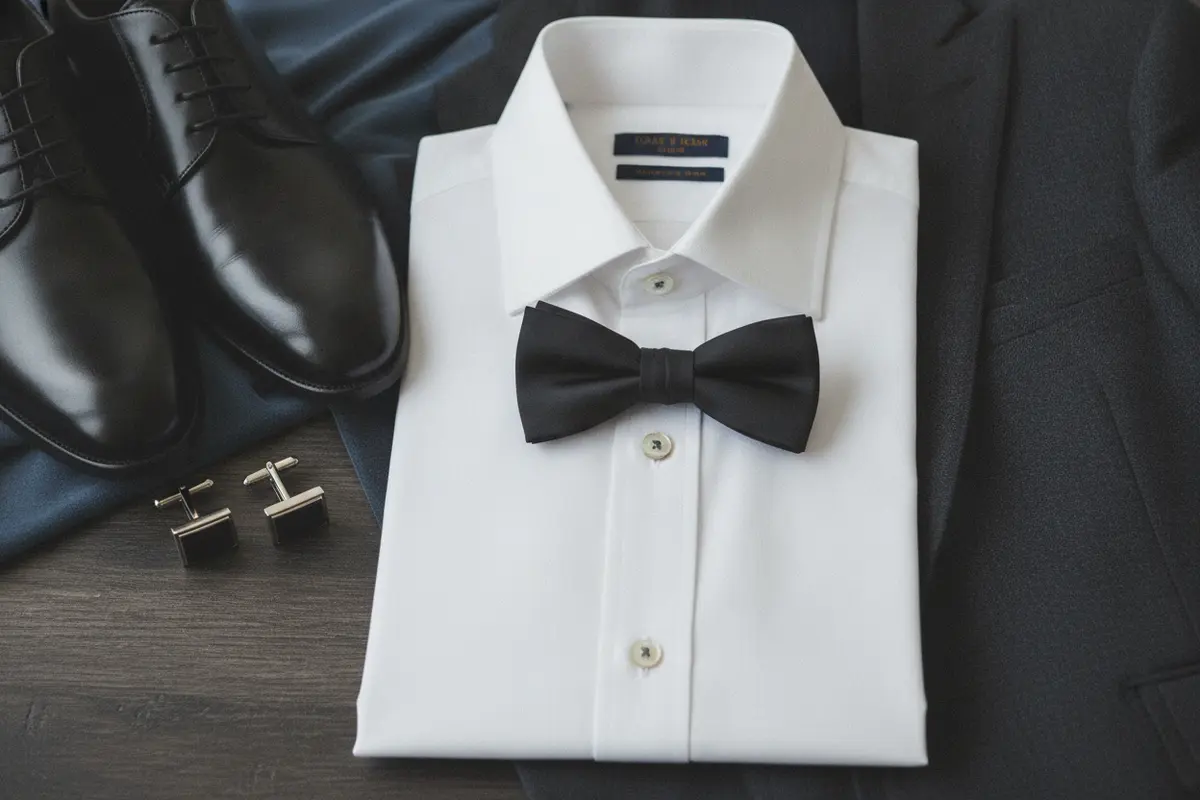
Think of value as a balance among fit, versatility, personal enjoyment, and the care the garment will need. A tuxedo that is comfortable and appropriate for the events you attend may be more useful than a more elaborate option that stays in the closet. Conversely, if the wedding is a singular occasion and a distinctive look matters most, a narrower use range may be an acceptable trade-off. Make the decision based on what matters to you, not on a universal rule about how many times a tuxedo must be worn.
When should you start planning a wedding tuxedo?
For wedding attire, begin about four to five months before the wedding. That gives you room to talk through the event, select a direction, coordinate the look, and complete fitting steps without relying on a rushed decision. If your date is closer, reach out promptly and discuss the available timeline instead of assuming what can or cannot be completed.
A wedding wardrobe consultation can start with discovery and planning: the venue, theme, formality, and schedule. Next comes styling and selection, where you consider fabrics, styles, and accessories. Measurements and fitting allow the tailoring to be assessed, followed by a final fitting and delivery to check the completed look before the wedding. You can see more about custom wedding tuxedos and explore tuxedo ideas for the groom.
For a wedding party, coordinate early. Agree on the level of formality and the overall palette before each person chooses individual pieces. The groom’s outfit can be distinctive while still relating to the wedding party’s attire. Share the wedding date, location, and relevant dress-code details at the start of the conversation, especially if members of the party will be coordinating from different places.
Coordination does not mean every person must wear an identical look. It means making the choices together so differences feel intentional. Decide which elements need to match, such as the overall formality or a shared color direction, and which can vary by individual. For example, the groom may have a distinct jacket detail while the rest of the group follows a consistent silhouette. Confirm the plan in writing and share it with everyone ordering attire, along with deadlines and fitting expectations.
If the wedding is approaching quickly, take the event date and any existing attire details to the first conversation. Ask which options fit the available schedule and be open to guidance about what is feasible. Starting early offers more room for thoughtful selection, but a prompt discussion is more useful than making assumptions about timing.
What should you ask at a tuxedo consultation?
A focused consultation helps you understand both the garment and the investment. Bring the date and location of the event, the dress code if one has been specified, and examples of looks you like. You do not need to arrive with every decision made. A stylist can help you compare directions and prioritize what matters to you.
- Which options fit the formality, season, and setting of my event?
- How do the available fabrics differ in feel, appearance, and care?
- Which jacket, trouser, and accessory details are included, and which are separate choices?
- What is the fitting process and expected timeline for this garment?
- What should I plan for beyond the jacket and trousers?
- How should I care for the finished garment, and where should I turn for professional adjustments?
You can also make the appointment more useful by sharing a clear priority list. Put your must-haves first, such as comfort through a long evening, a classic black-tie appearance, or a distinctive wedding look. Then identify where you are flexible. If you have a budget range in mind, say so and ask how the fabric and customization options relate to it. That gives the stylist useful context without requiring you to choose details before you understand the trade-offs.
Custom tailoring is priced according to the cloth and customization selected, so a consultation is the clearest way to discuss your priorities and the options available. Trevor Furbay Bespoke offers a hands-on styling experience, with a relaxed setting designed around personal service. You can also review the company’s custom tailoring services before your appointment.
Frequently Asked Questions
Is it less expensive to rent a tuxedo?
It can be a practical choice when you need formalwear for one event and do not expect to wear it again. Compare the rental terms, fit options, included items, and any additional charges with the complete cost of buying. Your event schedule and how important a personal fit is should guide the decision.
Does a custom tuxedo have a fixed price?
No single price applies to every custom tuxedo. The investment depends on the fabric and customizations selected. A consultation can help you review the choices and understand the price for the look you have in mind.
How early should I order a wedding tuxedo?
Begin planning four to five months before the wedding when possible. This creates room for discovery, styling, measurements, fittings, and final preparation. If the wedding is sooner, contact a clothier promptly to discuss the schedule.
What should I bring to a tuxedo appointment?
Bring the event date, venue, dress code, and any useful inspiration images. If you know what shoes or accessories you plan to wear, share that information too. For a wedding, bring details about the wedding party’s colors and formality so the outfit can be coordinated thoughtfully.
The right tuxedo is the one that suits your occasion, fits comfortably, and makes sense for how you plan to wear it. Start with a conversation about your event and priorities, then weigh fabric, design, fitting, and future use together.