
How much is a custom suit? The honest answer is that the investment depends on the cloth, the choices made during design, the fit work required, and the level of personal service. A useful price discussion starts with what you need the suit to do—not with a number detached from those decisions. Understanding the factors below will help you compare options and arrive at a consultation with clear priorities.
Why Is There No Single Price for a Custom Suit?
“Custom suit” describes a personalized garment, but it does not identify one standard package. Clothiers may offer different fabric selections, construction choices, design details, fitting processes, and degrees of one-to-one guidance. Those differences affect the work and materials involved. Two suits can both be custom and still represent quite different projects.
At Trevor Furbay Bespoke, custom tailoring is consultation-based. The investment depends on fabric and customization, so a specific quote requires discussing the garment you have in mind. This is more useful than relying on a fixed figure that may not reflect your preferred cloth, intended use, or design. You can explore the company’s custom tailoring options and custom suits before your appointment to clarify what you want to ask about.
A consultation should make the scope understandable. Ask what is included, what choices affect the total, how the fit will be reviewed, and what happens if you want to adjust the design. A thoughtful discussion lets you set priorities before committing. It also keeps price comparisons grounded in comparable garments rather than the word “custom” alone.
It helps to separate the question into two parts: what does this particular suit cost, and what choices are shaping that figure? The first calls for a quote based on a real design and fabric selection. The second can be answered before you choose anything. Knowing the cost drivers gives you a way to guide the conversation and avoid feeling that you must accept a recommendation without understanding its trade-offs.
How Does Fabric Shape the Investment?
Fabric is one of the largest decisions in a suit because it affects how the garment looks, feels, and serves your wardrobe. The fiber, weave, weight, pattern, finish, and mill all contribute to the cloth’s character and cost. A versatile worsted wool for frequent office wear presents a different choice from a distinctive cloth selected for a special occasion. Neither is automatically the right answer; the best choice depends on when and how you plan to wear the suit.
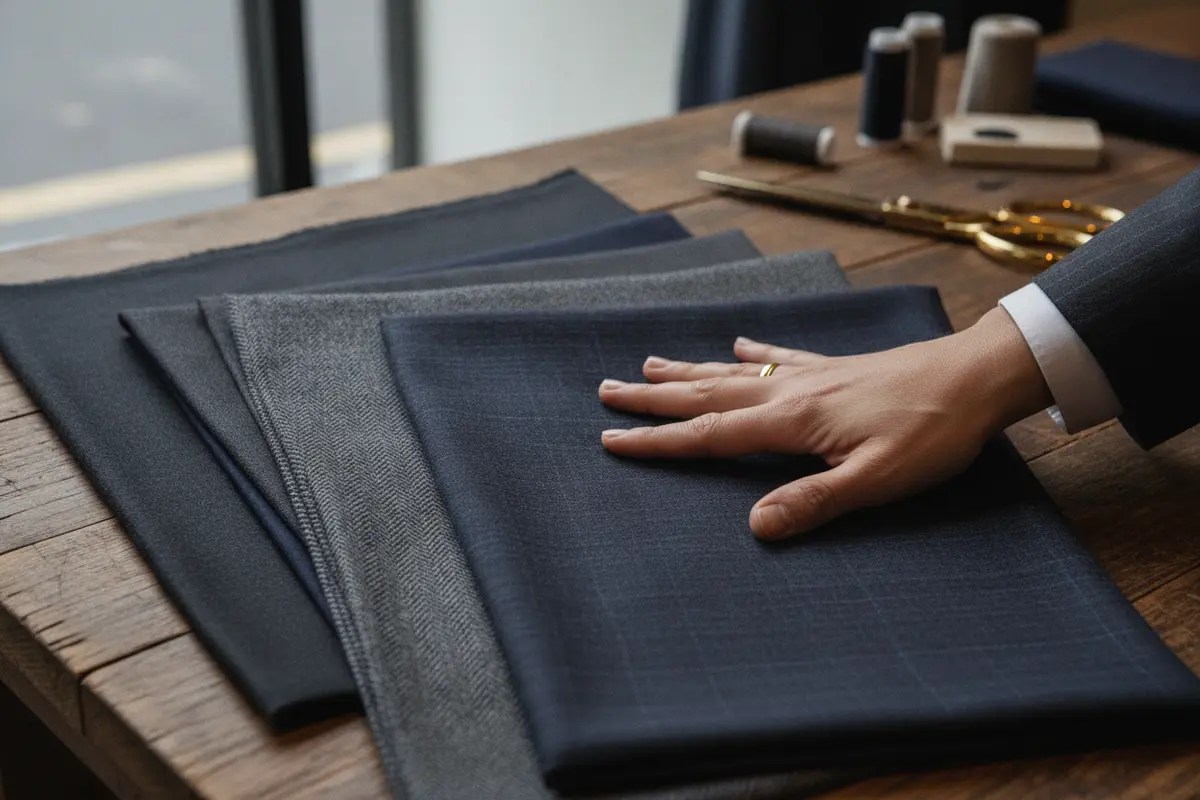
Think about your calendar as well as the swatch. A suit worn through regular workweeks may need to coordinate easily with several shirts and ties. A less frequent event garment can make room for a more individual color or texture. If this is your first custom suit, a restrained pattern and a color that fits your existing wardrobe often make it easier to wear. If you already own reliable staples, a new suit can fill a specific gap or add variety.
Fabric choices also involve trade-offs. A lighter cloth may feel appealing in warm weather, while a heavier cloth may feel more substantial. A prominent pattern can make a strong statement but may be less adaptable than a subtle texture. Discuss care expectations and the garment’s intended season with your clothier. A specialist can help you assess the hand and drape in person rather than choosing from a name or swatch description alone.
When comparing cloth, ask to see options at more than one level and explain your budget range. Ask what distinguishes the options in feel, appearance, use, and care. You do not need to choose the most expensive fabric for a good result; you need a fabric that suits your purpose and preferences. For jackets and sport coats, the same careful selection applies, though the garment may serve more varied occasions. See the available custom jackets and sport coats for another way to build a tailored wardrobe.
Rather than asking only which cloth costs more, ask what you can actually notice when wearing it. Does the texture suit the formality you want? Does the weight feel comfortable across the seasons in which you expect to wear the suit? Does its pattern work with the shirts, ties, and shoes already in your closet? These questions put your money toward qualities that matter in daily use, not simply a label or a technical description.
It can be useful to bring a photograph of a suit you like, but treat it as a conversation starter rather than a specification. Lighting, screen settings, and the fabric itself can make colors look different in person. If you have an existing jacket or shirt that coordinates well, mention it. The clothier can help you compare the swatches with your wardrobe and talk through which options fit your budget without assuming the most costly selection is the right one.
Which Design Choices Can Change the Total?
Personalization can range from a straightforward design to a garment with many individual details. Each decision should serve your style, comfort, or practical needs. A custom suit is not improved simply by adding more options. The goal is a cohesive garment whose features make sense together and that you will enjoy wearing.
During the design conversation, you may discuss the jacket’s lapel shape, button arrangement, pockets, vents, lining, and other visible details. Trousers may involve choices such as waistband and pocket details or the preferred leg shape. Shirts, accessories, and coordinating garments can also become part of a broader wardrobe plan, but they are separate choices to discuss rather than assumed inclusions in a suit quote. Learn about custom trousers if separate trousers are part of your plans.
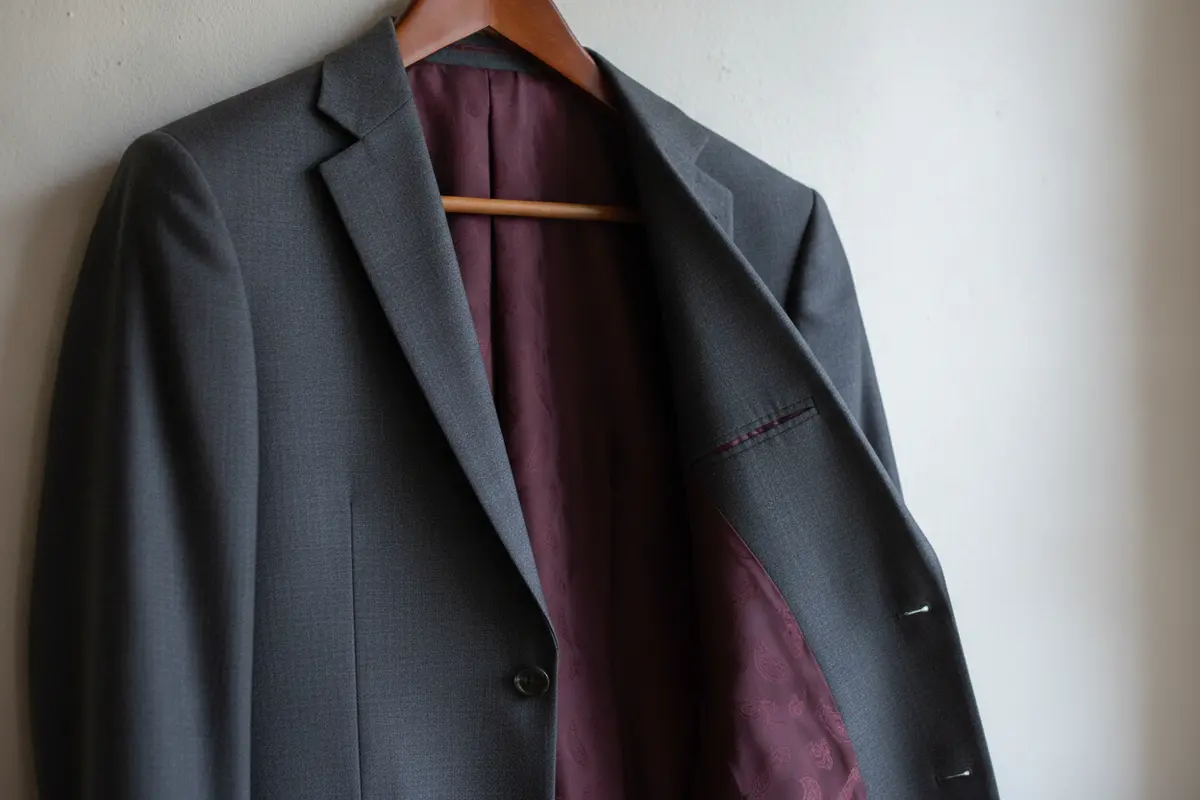
Some details are personal signatures; others may have little impact on how often you wear the suit. Before adding a distinctive lining, unusual button treatment, or a strong pattern, consider whether it fits your existing clothes and the occasions on your calendar. A useful approach is to identify one or two details that matter most, then keep the rest aligned with the garment’s purpose.
Ask the clothier to explain which design decisions affect the quote and which are simply selections within the proposed cloth or design. Do not assume every feature is included in every package. A written or clearly itemized proposal helps you understand the garment being discussed and decide whether each option is worth it to you.
One practical way to make these decisions is to sort them into three groups before your appointment. First, note the features you consider essential, such as a particular fit preference or a suit color you can wear often. Second, list details you would enjoy if they fit the budget. Third, identify options you do not need. This is not a rigid checklist; it gives the stylist a clear starting point and helps you avoid adding features simply because they are available.
For example, someone buying a first suit for work may prioritize a versatile cloth, a comfortable trouser rise, and understated jacket details. Someone replacing a well-worn staple may care more about a specific shade or texture that adds something new to an established wardrobe. A wedding suit may involve choices that coordinate with the event and other attire. The priorities differ, so it makes sense for the design—and the quote—to be specific to the wearer.
What Does the Fitting Process Add?
Fit is central to the value of a custom garment. A suit should feel comfortable when you sit, stand, and move, while its lines complement your proportions. The process of understanding measurements, preferences, and fit adjustments takes expertise and time. That work is part of what distinguishes a personal tailoring experience from selecting a finished garment off the rack.
At a fitting, your clothier can assess how the jacket and trousers sit on your body and discuss the balance between a clean silhouette and ease of movement. Your posture, shoulder shape, and personal preferences all matter. “Slim” or “classic” is not a measurement by itself; the right fit is a considered result, not a label.
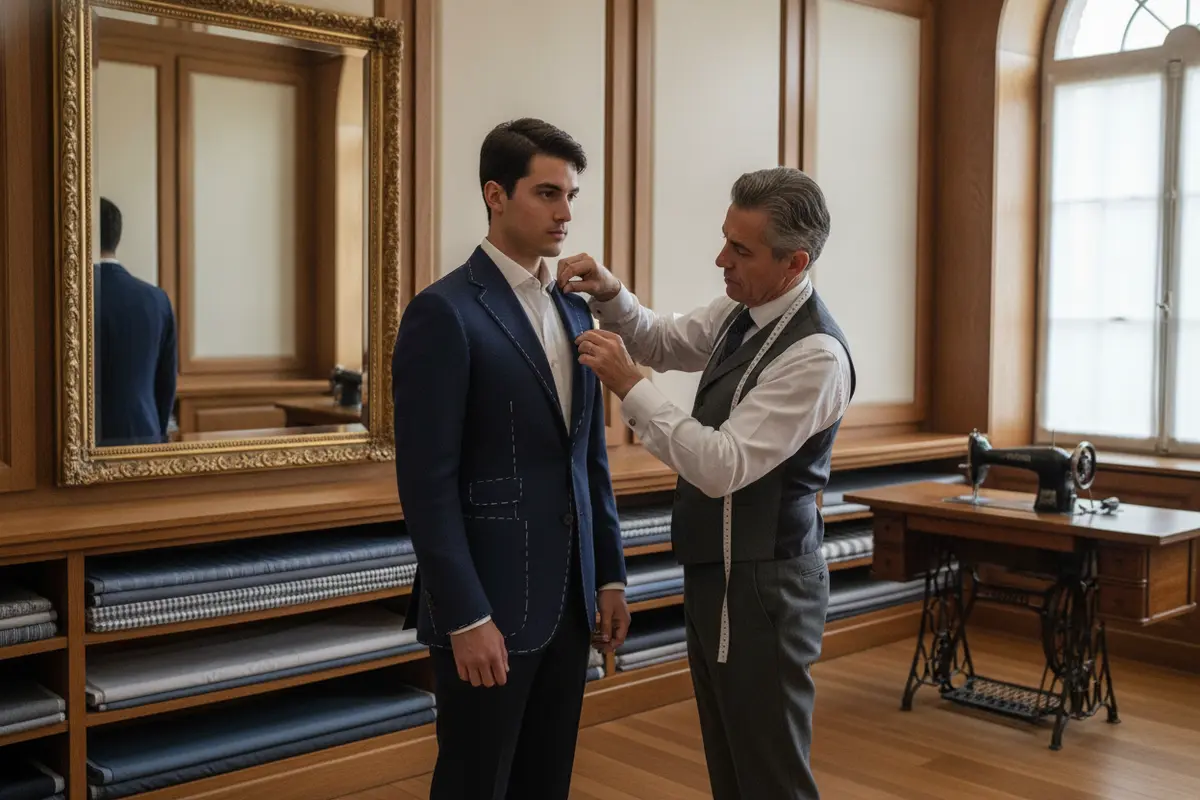
Ask how many appointments are expected, what each appointment covers, and whether follow-up adjustments are part of the process. The answer can depend on the clothier’s approach and the garment. Do not assume that every custom offering uses the same sequence or that a particular number of fittings is guaranteed. Clarifying the process gives you a fair basis for comparing proposals.
Consider the convenience of the service as well. An appointment with an experienced professional gives you time to review cloth and details, ask questions, and discuss fit directly. Trevor Furbay Bespoke brings more than 25 years of fashion-industry experience to its hands-on styling and tailoring work. You can learn more about the professional clothiers and personal stylists who guide those conversations. For customers weighing custom against ready-to-wear, this guide to where to get a suit made can help frame the decision.
Fit questions are best answered through specific movements and comfort preferences, not a mirror pose alone. Tell the clothier if you reach forward often, sit for long stretches, or prefer more room through a certain area. Describe how a jacket or trousers feel as you move. The goal is not to chase an abstract ideal silhouette; it is to make a garment that looks intentional and feels workable in the situations you described.
When comparing a proposal with another option, ask what the fitting appointments actually cover. Does the process include discussing measurements and personal preferences? Is there a review after you try on the garment? Who should you contact if something feels wrong at that point? A clear answer helps distinguish a promise of personalization from a process you can understand and participate in. Avoid comparing only the number of appointments, since a count by itself does not explain the attention or work involved.
How Should You Compare Custom Suit Options?
Compare the garment and the service together. One quote may reflect a different cloth, more design choices, a different fitting approach, or a different level of personal guidance. If the proposals are not describing similar suits, the totals alone will not tell you which is the better fit for your needs.
| Factor | What to compare | Question to ask |
|---|---|---|
| Fabric | Fiber, weave, weight, pattern, and cloth selection | What are the differences between these cloth options, and which suits my use? |
| Customization | Included design choices and optional details | Which details affect the quote, and what is included? |
| Fit and appointments | Measurement, fitting review, and any follow-up | What steps are included from measurements through final fit? |
| Service | Consultation time, guidance, and communication | Who will guide the choices and answer questions during the process? |
| Purpose | Frequency of wear, setting, season, and wardrobe needs | Does this design make sense for the occasions I have in mind? |
Bring a clear spending range to the conversation. It helps the stylist present appropriate cloth and design possibilities without wasting your time on options that do not fit your priorities. If you are still deciding between custom and a ready-to-wear suit, say so. A candid conversation can help you understand the differences in fit, choice, and service without treating either path as right for everyone.
Make a short list of the occasions you are dressing for, what you already own, and what matters most: comfort, versatility, a particular fabric, or a distinctive look. If you need a coordinated wardrobe rather than one suit, mention that too. The company offers custom casual attire and custom shirts alongside suit tailoring, so the conversation can account for the broader need without assuming everything belongs in one purchase.
To compare two estimates fairly, write down the garment each one describes. Note the fabric, the jacket and trouser choices, any additional items, the fitting approach, and what follow-up is included. If one estimate is vague, ask for clarification before deciding. A lower total may reflect a different scope, and a higher total may include choices you do not need. Understanding the scope gives you a more useful comparison than treating any single number as a verdict.
Also distinguish the initial purchase from the wardrobe plan around it. A suit may be one piece of a larger set of needs, but you should know which garments are in the current proposal and which would be separate. If you want a shirt or another pair of trousers, ask how those would be handled rather than assuming they are part of the suit. Clarity at the start makes it easier to decide what to order now and what can wait.
How Can You Get More Wear From Your Investment?
The cost per wear is not a quoted price, but it is a useful way to think about value. A suit that works for several settings and fits into your regular rotation may serve you more often than a highly specific garment. Consider whether its color works with the shirts and shoes you own, whether the formality suits your workplace or events, and whether you can wear the jacket or trousers in other combinations.
Be realistic about your routine. If you travel often, spend long days moving between meetings, or need formal attire only a few times a year, say so. Your clothier can help you prioritize fabric and design with those conditions in mind. If you are planning a wedding, a groom’s suit has its own timeline and coordination needs; start the conversation four to five months before the wedding.
Care also affects the long-term experience of any tailored garment. Follow professional guidance for cleaning and storage, and consult a professional for alterations or repairs rather than attempting them at home. The custom suit care guide offers further direction for maintaining a suit over time. Care cannot change the initial quote, but it can help you make thoughtful use of the garment you choose.
Versatility is not the only sensible goal. If you already own a dependable navy or charcoal suit, another nearly identical option may not solve a wardrobe problem. Perhaps you need a suit for a particular ceremony, a work environment with a different level of formality, or an occasion where a distinct pattern makes sense. Being clear about the gap you want to fill helps you invest in a garment with a defined purpose instead of choosing based on habit.
Think through a realistic week or season of wear. Which shirts and shoes would you pair with the suit? Would the jacket work at the events you attend, or is the complete suit the intended outfit? How frequently will you need to wear it, and will you have other clothing to rotate with it? You do not need to calculate an exact cost per use. The exercise simply helps you weigh versatility against a more occasion-specific design in terms you can apply to your own closet.
What Should You Ask at a Custom Suit Consultation?
A few practical questions can turn a general price conversation into a useful plan. Start by describing your occasions, how often you expect to wear the suit, what is missing from your wardrobe, and what you hope to spend. Then ask:
- Which fabric options fit my intended use and budget?
- What is included in the quoted garment, and which details would change the total?
- How will you evaluate fit, and what appointments or follow-up should I expect?
- What design choices will make this suit versatile with the clothes I already own?
- What is the expected timeline for this particular order?
- How should I care for the fabric I select?
You can make the discussion more concrete by bringing a few useful references: the date you need the garment, a clear spending range, and a short description of your routine. If you have a specific suit in mind, describe what you like about it—perhaps the color, drape, or level of formality—instead of asking for an exact copy from a photograph. This lets the clothier understand the result you want while discussing what is practical for your order.
When you receive a quote, take a moment to repeat back what you understand it to include. Confirm the chosen fabric, the pieces being made, the design selections, and the fitting steps. Ask which decisions remain open and when they need to be finalized. If you are not ready to decide, it is reasonable to ask for time to consider the proposal. A consultation is most helpful when you leave knowing both the potential investment and what that investment represents.
These questions do not require you to arrive with every choice settled. The point of personal styling is to help you make informed decisions, not to test your knowledge of tailoring. A relaxed consultation gives you the chance to compare fabric, talk through your priorities, and understand the proposed service before you decide.
Frequently Asked Questions
Can I get a custom suit price without choosing fabric?
You can discuss your priorities and budget before choosing a cloth, but a specific quote depends on the fabric and customization. Ask the clothier to show options that fit your intended use and spending range, then confirm what the proposal includes.
Does a higher-priced fabric automatically make a better suit?
Not necessarily. A fabric should suit your comfort preferences, the occasions you dress for, and how often you expect to wear the garment. Compare the cloth’s feel, appearance, and practical fit for your life rather than choosing by price alone.
Is custom worth considering if I only need one suit?
It can be worth exploring if fit, personal design choices, or guided fabric selection matter to you. Start by identifying the occasions and frequency of wear, then compare the complete custom proposal with the ready-to-wear options available to you.
How long does a custom suit take?
Timing depends on the particular garment and process. Ask about the expected timeline at the consultation, especially if you have a wedding, trip, or event date. For a wedding suit, Trevor Furbay Bespoke recommends beginning four to five months ahead.
A clear conversation about fabric, design, fittings, and service is the best way to understand the investment for the suit you actually want. Bring your questions, your priorities, and a realistic budget range, then decide with the details in front of you.