
Your personal style is usually easier to recognize in your existing wardrobe than in a trend report. The pieces you reach for, avoid, repeat, and adapt for work or weekends reveal useful evidence about your preferences, lifestyle, and fit. They show what makes you feel at ease.
Learning how to find my style starts with reviewing what already works: favorite outfits, dependable colors, comfortable proportions, and the occasions your wardrobe must serve. From there, you can refine fit, fabric, color, and silhouette into choices that feel personal rather than borrowed from a trend.
Style becomes more useful when it supports real decisions, from getting dressed for an important meeting to building a wardrobe that moves naturally through your week. That practical point of view gives personal style meaning beyond a label.
What Personal Style Means in Real Life
Personal style is the pattern behind the clothes you choose, keep, and reach for when you want to feel like yourself. It is not a rigid category such as classic, minimalist, or romantic, and it is not a requirement to follow every new trend. In practice, style brings together four connected questions: What do you prefer? What does your life require? What fits and flatters you? Can you repeat the choice across the situations you actually navigate?
Preference gives style its point of view. You may consistently gravitate toward quiet neutrals, rich color, natural texture, sharp tailoring, relaxed layers, or a combination that does not fit a single label. Those patterns matter more than the name attached to them. A wardrobe can borrow from classic menswear, modern minimalism, vintage glamour, or relaxed resort dressing and still feel coherent when the choices reflect your taste.
Use purpose to separate style from impulse
Purpose keeps personal style useful. A working professional may need clothing for business formal meetings, business casual days, travel, dinners, and special events. A parent, executive, or frequent host may value ease of movement and dependable polish as much as visual impact. The best wardrobe decisions account for those demands rather than treating every purchase as an isolated expression of personality.
Fit is equally important. A color or silhouette may appeal to you in theory, but the garment has to work with your proportions, movement, and comfort. When fit is right, clothing supports your presence instead of asking you to adjust yourself around it. That is why professional guidance can be useful: a style conversation can connect lifestyle, preferences, and wardrobe goals with practical advice on fit, fabric, and proportion. Custom tailoring may consider details such as shoulder angle, back arch, and overall proportions, rather than stopping at a standard size.
Finally, look for repeatability. A personal style choice earns its place when you can wear it in more than one convincing way. Combine it with pieces you own, and imagine using it for a real part of your calendar. Repeatability does not mean wearing a uniform. It means recognizing the colors, textures, shapes, and level of formality that make getting dressed feel natural.
This definition gives you a more useful answer to the question of how to find my style. Instead of choosing an identity from a menu, gather evidence from your own wardrobe and daily life. Notice what makes you feel confident, what remains unworn, and what you repeatedly try to recreate. Your style can evolve as your work, interests, responsibilities, and confidence change while still retaining a recognizable point of view.
How to Find My Style by Auditing My Wardrobe
The most useful clues about your style are often already hanging in your closet. Before buying something new, examine what you reach for, what remains untouched, and what your real schedule asks you to wear. This turns style discovery into an evidence-based exercise rather than a search for a label such as classic, minimalist, or eclectic. Set aside an uninterrupted hour, gather your everyday clothes, and take notes as you move through these five steps.
- Separate the wardrobe into worn, occasional, and avoided pieces. Begin with the garments you wear repeatedly, then create a second group for pieces reserved for specific events and a third for items you almost never choose. Do not judge the clothes yet. The purpose is to see the pattern. A favorite jacket may reveal a preferred structure, while a rarely worn shirt may be attractive in isolation but wrong for your daily life. If several pieces have similar colors, fabrics, or silhouettes, record that repetition instead of dismissing it as coincidence.
- Study your favorite outfits and name what works. Choose three to five outfits that make getting dressed feel easy and leave you feeling confident. Write down the details: the degree of formality, the proportion of each garment, the color combination, the texture, and how much movement the outfit allows. Ask yourself whether you prefer a clean, tailored line, a softer layered shape, or a deliberate combination of both. Looking at complete outfits is more revealing than evaluating individual purchases because style is experienced in combination.
- Investigate the pieces you avoid. For every unworn or underused item, ask a precise question: Is the fit restrictive, too loose, or simply unflattering? Is the color difficult to combine? Does the garment feel too formal, too casual, too delicate, or unlike the person you want to be? Also ask whether the item belongs to a life you do not actually lead. This step can expose shopping habits that create clutter, such as buying an aspirational piece without a practical occasion or a reliable partner in the wardrobe. Avoid making a repair or alteration plan yourself; note the concern so a professional can assess it safely.
- Map the wardrobe against your calendar. List the settings you regularly dress for over a typical month, including work, travel, weekends, dinners, celebrations, and formal events. Mark which situations are well served and which repeatedly create stress. A professional may need clothing that moves between business formal, business casual, and events, while another person may need more relaxed layers or occasion dressing. Your style should support your actual responsibilities, not only the outfits that look appealing in a saved image.
- Write a short style brief for your next decision. Summarize the evidence in three parts: what you want more of, what you want less of, and what every future purchase must accomplish. Include useful language such as polished but comfortable, textured rather than shiny, or structured through the shoulder without feeling rigid. Add fit questions and any proportions you want reviewed. This brief becomes a practical filter when shopping and a focused starting point for a consultation about your lifestyle, preferences, and wardrobe goals.
After the audit, do not rush to replace everything. Wear the strongest combinations, photograph them for reference, and notice which observations remain true. If the patterns still feel unclear, a personal styling conversation can help translate your notes into fit, fabric, and wardrobe decisions.

How Lifestyle and Fit Shape Your Style
Personal style has to work in the life you actually lead. A wardrobe for a client who moves between boardrooms, travel, and evening events will look different from one designed for a creative studio. A relaxed office, or a calendar centered on weddings and social occasions. Begin by noticing where your clothes need to take you, how much movement your day requires, and which pieces make you feel composed rather than restricted. These details are practical evidence when you are learning how to find my style.
Consider the moments that repeat in your week. Do you spend long hours seated, walk between meetings, commute, or attend events where a sharper level of formality is expected? A jacket that looks excellent on a hanger but pulls when you reach for a bag is not serving your style. Neither is a beautiful trouser that stays unworn because its fabric, rise, or silhouette does not suit your routine. The most successful wardrobe choices respect both your aspirations and your habits.
Fit Is a Style Signal
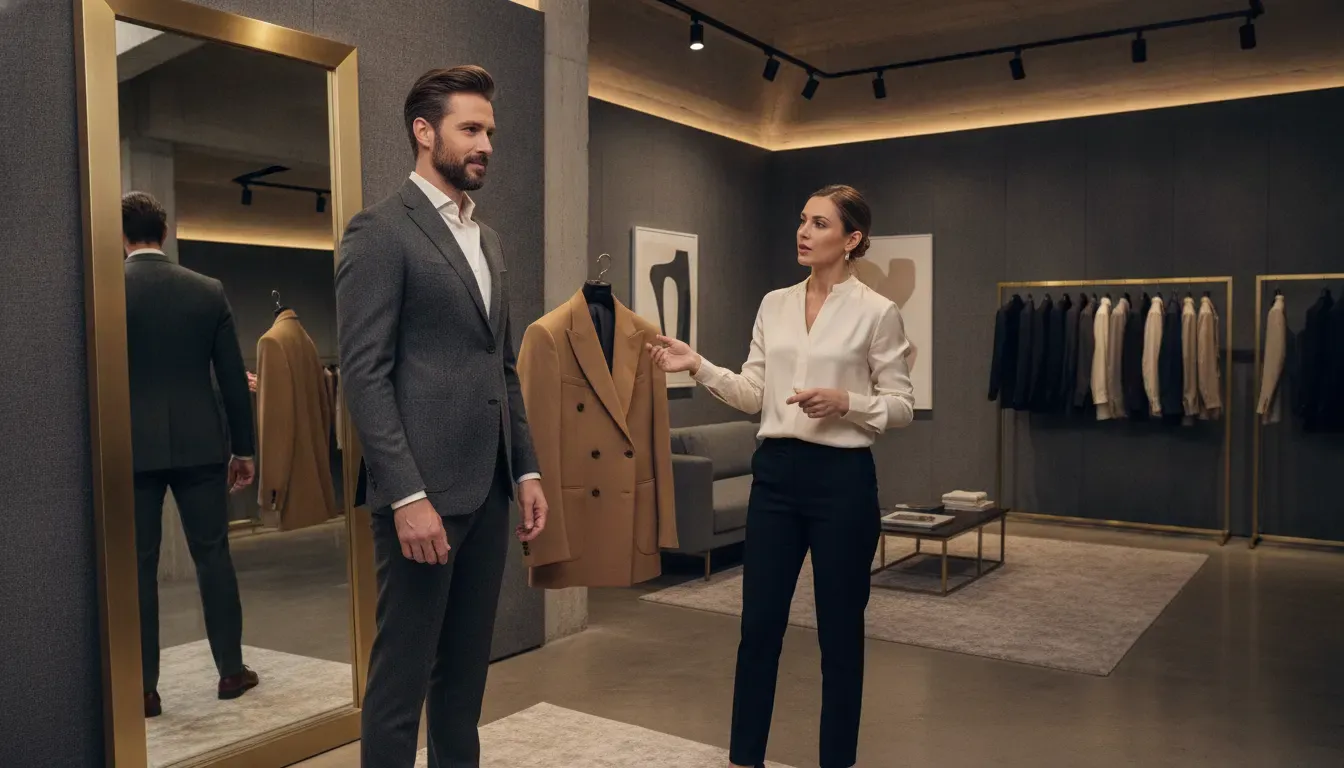
Fit is not a final adjustment made after the style decision. It communicates intention from the first glance. Clean shoulder lines, a balanced jacket length, comfortable trousers, and sleeves that meet the wrist can make a simple outfit feel considered. The right proportions also allow your clothing to support your natural posture and movement instead of competing with them.
That assessment is more individual than a standard size label suggests. In custom tailoring, precise measurements may consider shoulder angle, back arch, and overall proportions. These observations help a garment sit naturally on the person wearing it, rather than asking the wearer to adapt to a generic block. The result is not simply a closer fit. It is clothing that feels more convincing because it reflects your body and the way you move.
When reviewing your wardrobe, separate pieces that express your taste from pieces that only look appealing in theory. Pay attention to what you reach for repeatedly, what feels comfortable through a full day, and what earns compliments without requiring constant adjustment. Those patterns can guide future choices in fabric, silhouette, and tailoring. Style becomes clearer when your clothes look like you, function for you, and make getting dressed feel easier.
How to Use Color, Fabric, and Silhouette Without Chasing Trends
Once you have reviewed what you wear, look for patterns rather than labels. The goal is not to declare yourself a minimalist, a classic dresser, or a maximalist. It is to notice the visual decisions you make repeatedly, then use those observations to build a wardrobe that feels coherent and useful.
Start with color. Which shades appear in the outfits you reach for without hesitation? You may find that your wardrobe is anchored by navy, charcoal, cream, olive, or warm brown, with a smaller group of accent colors that gives it personality. Notice combinations as well as individual shades. Perhaps you prefer low-contrast outfits, or you like one saturated color against a quiet neutral. These preferences are more valuable than a seasonal color forecast because they come from your actual eye and your actual life.
Do the same with fabric and texture. A smooth worsted wool communicates something different from a brushed flannel, linen, corduroy, or textured knit. That does not make one fabric more stylish than another. It helps you identify the level of structure, softness, warmth, and visual interest you enjoy. A person who repeatedly chooses tactile fabrics may want texture to be part of their signature. While someone who prefers a clean surface may feel most confident in refined, understated cloth.
Silhouette provides another useful clue. Compare the shapes of jackets, trousers, shirts, and dresses that you wear most often. Are your outfits close to the body, relaxed, softly structured, or intentionally oversized? Look at jacket length, shoulder line, trouser rise, leg width, and the amount of layering you find comfortable. Form matters because proportion affects how an outfit feels before anyone notices a trend. Custom tailoring can also account for individual proportions, with measurements that consider details such as shoulder angle, back arch, and overall balance.
A simple test before buying
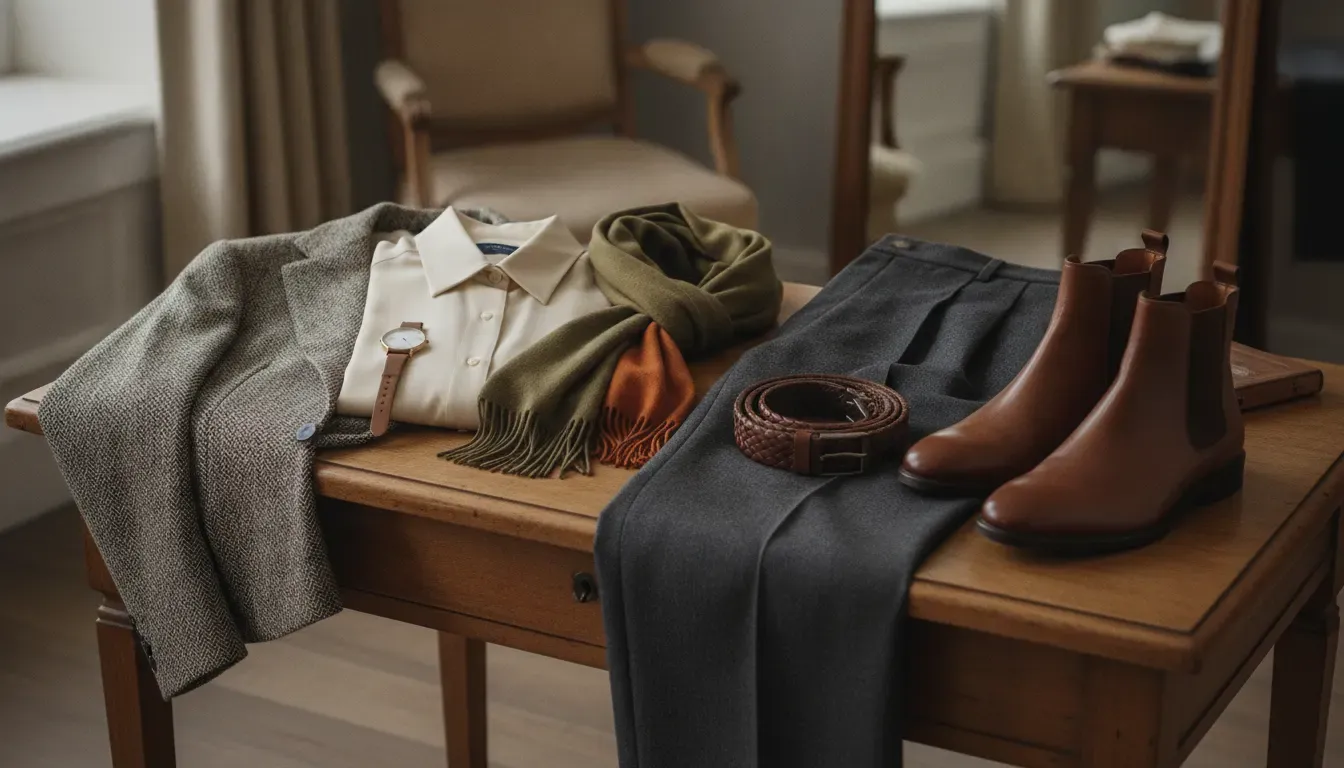
Before purchasing a new piece, run it through four questions:
- Does this color work with several pieces I already wear?
- Does the fabric suit the climate, setting, and care routine of my life?
- Does the silhouette support my preferred proportions and range of movement?
- Would I choose this item if the current trend disappeared tomorrow?
If the answer is yes to most of these questions, the item is more likely to become part of your style rather than a short-lived experiment. If it fails, pause before buying. You might still love the color, fabric, or shape, but the combination may not serve your wardrobe. A consultation can help you explore those distinctions through expert guidance on fit, fabric, and fashion trends. While custom options may allow you to personalize details such as fabric, lining, buttons, and monograms.
How to Turn Preferences Into Repeatable Outfit Formulas
Once you notice the colors, proportions, fabrics, and levels of formality that make you feel most like yourself, turn those observations into outfit formulas. A formula is not a uniform. It is a dependable starting point that removes unnecessary decisions while leaving space for mood, weather, and personality. For a professional, that might mean a consistent relationship between a jacket, a fine-knit layer, and tailored trousers. For a weekend wardrobe, it could be a relaxed shirt, refined denim, and one distinctive accessory.
The most useful formulas begin with the setting and your actual requirements. Consider how much movement you need, whether the day includes several environments, and what level of polish feels appropriate. Professionals often move between business formal, business casual, and events, so a wardrobe that works across those moments should prioritize fit, efficiency, and pieces that combine easily. The goal is not to own more clothes. It is to understand which combinations reliably support your life.
| Setting | Starting Formula | Personal Detail | Fit Check |
|---|---|---|---|
| Work | Jacket, fine-knit or shirt, tailored trousers, leather shoes | Use a preferred color, texture, watch, or pocket square | Check shoulder line, sleeve length, and trouser break |
| Weekend | Relaxed shirt, knit layer, dark denim or casual trousers | Add a favorite sneaker, loafer, pattern, or overshirt | Keep ease through the body without losing proportion |
| Dinner | Textured jacket, refined knit or shirt, dark trousers | Choose an expressive fabric, color, or understated accessory | Confirm the jacket closes comfortably and sits cleanly |
| Travel | Comfortable tailored layer, breathable knit, versatile trousers | Repeat a compact palette and add one memorable accent | Test sitting, walking, and layering before departure |
| Occasion | Suit or coordinated tailoring, polished shirt, appropriate shoes | Personalize through fabric, lining, buttons, or a subtle pattern | Allow movement while preserving a deliberate silhouette |
Use the table as a prompt, not a rulebook. If your preferred silhouette is softer, your formula can reflect that. If you enjoy contrast, keep the base restrained and let one color or texture lead. A formula becomes personal when it captures the choices you repeatedly make, rather than imitating a named aesthetic.
When a favorite outfit almost works but feels inconsistent, examine the fit before replacing the entire combination. Precise tailoring can account for shoulder angle, back arch, and overall proportions. Exploring custom tailoring can also help you translate a reliable formula into choices of fabric, lining, buttons, and other details. Keep notes on combinations that earn compliments, feel comfortable, and suit the demands of the day. Over time, those notes become a practical style vocabulary you can use with confidence.
When a Personal Stylist Can Help Clarify Your Style
Sometimes the challenge is not a lack of taste. It is the difficulty of turning several good instincts into a wardrobe that works together. You may know that you prefer softer fabrics, defined shoulders, or a restrained color palette. Yet still feel uncertain when choosing an outfit for work, travel, dinner, or an important event. Expert help can make those patterns easier to see without forcing you into a single style category.
A personal stylist is particularly useful when your wardrobe no longer reflects your life. When shopping produces more possibilities than clarity, or when fit and proportion keep undermining otherwise appealing clothes. A thoughtful consultation begins with your lifestyle, preferences, and wardrobe goals. The discussion can then move into practical guidance on fit, fabric, color, and the level of formality that feels right for your day-to-day responsibilities. Trevor Furbay offers personal styling and wardrobe consulting as part of that broader process.
When an outside perspective adds value
You might benefit from a stylist if you are buying pieces that remain unworn. Repeating the same safe outfit because other choices feel difficult, or preparing for a career change, wedding, relocation, or fuller social calendar. You do not need to replace everything you own. Wardrobe consulting can identify what deserves to stay, what needs professional attention, and which additions would make existing pieces more useful. Closet cleaning can also bring order to a crowded wardrobe by separating sentimental items, genuine favorites, poor fits, and clothes that no longer serve your current routine.
The best guidance remains collaborative. A stylist should ask why a garment feels comfortable, what you want your clothing to communicate, and where your current wardrobe creates friction. At Trevor Furbay, consultations are designed to feel relaxed and considered, with hospitality touches such as beverages, treats, and full in-house bars. That setting gives you room to make decisions thoughtfully rather than react to pressure or a fast-moving trend.
For customers who prefer an at-home process, the personalized StyleBox service begins with a style profile covering sizes, preferences, colors, and patterns. A personal phone consultation follows, allowing the selections to be curated around the information you provide. StyleBox has no styling fee, and you pay only for the items you keep. In Cincinnati, complimentary delivery and pickup are included, along with a three-day at-home try-on period. This can be a practical way to test a direction in your own closet and daily routine before deciding what belongs in your wardrobe.
Whether you work with a stylist in person or begin with a curated home experience, the goal is not to receive a label. It is to understand the fit, colors, textures, and silhouettes that help you feel like yourself, then use that understanding consistently. With the right perspective, finding your style becomes less about guessing what is fashionable and more about making confident choices that support the life you actually lead.
Frequently Asked Questions
Why am I struggling to find my style?
Style often feels unclear when a wardrobe reflects isolated purchases rather than real preferences, daily routines, and fit. Start with evidence: identify the outfits you reach for, the garments you avoid, the colors and textures you repeat, and the occasions your clothing needs to support. This turns a vague search into a practical set of decisions. You do not need to choose one strict aesthetic. A consistent point of view can include several influences.
How do I know if my wardrobe matches my personal style?
Your wardrobe is probably aligned when getting dressed feels reasonably easy, your clothes suit your actual calendar, and your outfits give you confidence without requiring constant second-guessing. Look for repeatable patterns in your favorite combinations, including silhouette, color, level of formality, and comfort. If you own attractive pieces that rarely leave the closet, they may represent an imagined lifestyle rather than your current needs.
Can a personal stylist help me define my style?
Yes. A personal stylist can help connect your preferences with your lifestyle, proportions, wardrobe goals, and the settings in which you regularly dress. The most useful guidance is not a preset label. It is a clearer understanding of what to keep, what to adjust, and what to look for next. A consultation may also make it easier to test new colors, fabrics, or silhouettes while keeping your choices personal and practical.
Can my personal style change over time?
Personal style can evolve as your work, routines, body, interests, and confidence change. A new role may call for different levels of formality, while travel, family life, or a change in climate can alter what feels useful. Revisit your wardrobe periodically instead of treating earlier choices as permanent. Keep the elements that still feel authentic and update the details that no longer serve your life.
What if I like more than one style?
That is normal, and it can be an advantage. You might prefer tailored clothing for work, relaxed textures on weekends, and more expressive details for evenings. Rather than forcing these preferences into one category, find the features that connect them, such as clean proportions, warm neutrals, natural fabrics, or a polished finish. Those recurring choices form a personal through-line while leaving room for different occasions.
Ready to Book Your Style Consultation?
A focused conversation can help connect your wardrobe evidence, daily needs, preferred fit, and personal point of view into a clearer direction. You can bring questions, favorite pieces, or simply an interest in making getting dressed feel more intentional. Trevor Furbay can help you explore personalized styling and tailoring guidance at a pace that feels practical and personal.