
Personal shopping for men in Dublin, Ohio, can be useful when your wardrobe needs more direction than another quick trip to a store. The right appointment starts with your real needs: what you wear for work, what is missing, and how you want clothes to fit your life. A thoughtful process can include ready-to-wear, custom tailoring, or a mix of both.
What can personal shopping help you solve?
Personal shopping is not simply choosing a stack of new clothes. It is a chance to clarify what is working, identify gaps, and make considered choices that fit your schedule and personal style. You might need a more dependable work wardrobe, a suit for an upcoming event, or versatile pieces that work across professional and social settings.
Begin by naming the situation that prompted you to seek help. If your clothes feel inconsistent, note where the problem appears: fit, color, formality, comfort, or coordination. If you have a specific event, record the date, dress expectations, and any details that affect the outfit. That gives a stylist a useful starting point without requiring you to arrive with every decision already made.
- For work: identify the settings you dress for, including client meetings, office days, and travel.
- For an event: share the occasion, date, venue, dress code, and coordination needs.
- For everyday wear: describe what you reach for often and what stays unworn.
- For fit concerns: point out garments or areas that feel uncomfortable or look unbalanced.
For tailored clothing and styling, explore the custom suit styling service. If you are comparing a broader set of custom options, the custom clothing page is another useful reference. Start with the question you want answered, rather than assuming you need a complete wardrobe replacement.

How do you define a useful shopping goal?
A practical goal is specific enough to guide choices but flexible enough to allow good alternatives. “I need to dress better” is difficult to act on. “I want two combinations for client meetings that also work for dinner” gives the conversation a clearer direction. You can still refine the goal as you consider fabrics, silhouettes, and how each piece fits your routine.
Try writing down three details before you book. First, list the occasions you dress for most often. Second, identify one or two frustrations, such as trousers that feel uncomfortable when seated or shirts that do not coordinate with your jackets. Third, state what a successful outcome would look like. It might be one event outfit, a better-fitting jacket, or a small set of pieces that can be combined in different ways.
It can also help to separate an immediate need from a longer-term wardrobe project. An event with a fixed date may need a focused plan. A general refresh may be easier to handle in stages, beginning with the garments you wear most. This distinction helps prevent an appointment from becoming an unfocused search through every possible option.
How do you prepare for a personal shopping appointment?
A little preparation makes the conversation more practical. You do not need a detailed inventory, but a few examples help. Bring or photograph garments you like wearing, and make a short list of items you avoid. If possible, wear clothing that is easy to change out of for a fitting.
- Set a priority. Choose the need that matters most right now. A focused goal makes it easier to evaluate recommendations.
- Describe your routine. Explain where you spend your time, how formal your settings are, and whether you travel frequently.
- Bring context. Share existing pieces you want to coordinate with, plus any event date or dress guidance.
- Be candid about preferences. Mention colors, silhouettes, fabrics, or details you enjoy and those you do not.
- Ask about the process. Clarify whether you are considering ready-to-wear, custom clothing, or both, and how fittings or follow-up work.
Photos can be especially useful when you want to explain an outfit you like or a fit issue you have noticed. Keep them focused on clothing and context. A photo of a jacket with the trousers and shoes you normally wear may explain more than a collection of unrelated inspiration images.
Bring questions, not a fixed idea of the answer. A stylist can help you consider options, but the choices should make sense for the way you actually dress. If you are planning for a milestone, the wedding attire service gives event-focused clients a starting point for their consultation. For general scheduling, review appointment options.
Questions worth asking
- What should I bring or wear for this appointment?
- Can we consider ready-to-wear and custom options for the same need?
- What fitting or follow-up steps might be involved?
- How should I plan if the clothing is for a dated event?
- How do fabric and customization affect the custom-clothing process and price?
These questions set expectations without requiring you to know technical tailoring terms. They also help you understand the next step before deciding whether an option suits your needs.
How do ready-to-wear and custom clothing compare?
Neither approach is automatically right for every shopper. Ready-to-wear can be a straightforward route when you find a garment that suits your needs and fits comfortably. Custom clothing allows decisions about fit and details to be made through a personalized process. The best choice depends on the garment, your preferences, and how much customization you want.
| Option | Best suited to | What to consider |
|---|---|---|
| Ready-to-wear | Building on garments available to try on and wear as purchased | Assess fit, fabric, versatility, and whether professional tailoring adjustments are appropriate. |
| Custom clothing | A client who wants an individualized fit and design choices | Pricing depends on fabric and customization; discuss the process and timeline during consultation. |
| A combination | Refreshing a wardrobe with both immediate and considered additions | Coordinate new choices with pieces you already own and the occasions you dress for. |
For custom suits, use the suits overview to explore the category. A client considering a jacket separate from a full suit can also review custom jackets and sport coats. Custom pricing is consultation-based and depends on fabric and customization, so avoid relying on a generic price expectation.
A useful comparison starts with the specific garment. If you need a jacket for recurring professional use, consider how it works with your existing trousers and shirts. If you need a special-occasion suit, talk through the event, desired formality, and timing. Customization may be worth exploring when fit or design choices are important to you; a ready-to-wear garment may make sense when you find a suitable option that meets the need. The point is not to choose one route for every purchase, but to select the route that fits the item and your expectations.

What should you look for in fit and versatility?
Fit is personal, but a garment should let you move comfortably and feel appropriate to its purpose. During a fitting, pay attention to how the shoulders sit, whether the jacket closes comfortably, how sleeves meet the wrist, and whether trousers work with the shoes you expect to wear. These observations are conversation starters, not a do-it-yourself alteration plan; a professional can advise on what is suitable for the garment.
Test movement in ways that reflect real use. Sit down, reach forward, and stand naturally. Notice whether the jacket pulls, the trousers feel restrictive, or the sleeves shift in a way that bothers you. Explain the moment when you notice a problem. “This feels tight when I sit” gives a stylist something concrete to assess, while “the fit is wrong” may not identify where the issue occurs.
Versatility matters just as much as the individual item. A jacket that works with several shirts and trousers may earn more use than a striking piece with only one obvious pairing. Consider whether a candidate garment complements your current wardrobe, suits more than one occasion, and feels like something you will choose repeatedly.
For trousers, think about the shoes and shirts you expect to wear with them, as well as whether the intended setting is formal or relaxed. You can compare the role they will play with the custom trousers options. For shirts, the custom shirt options provide a relevant point of reference.
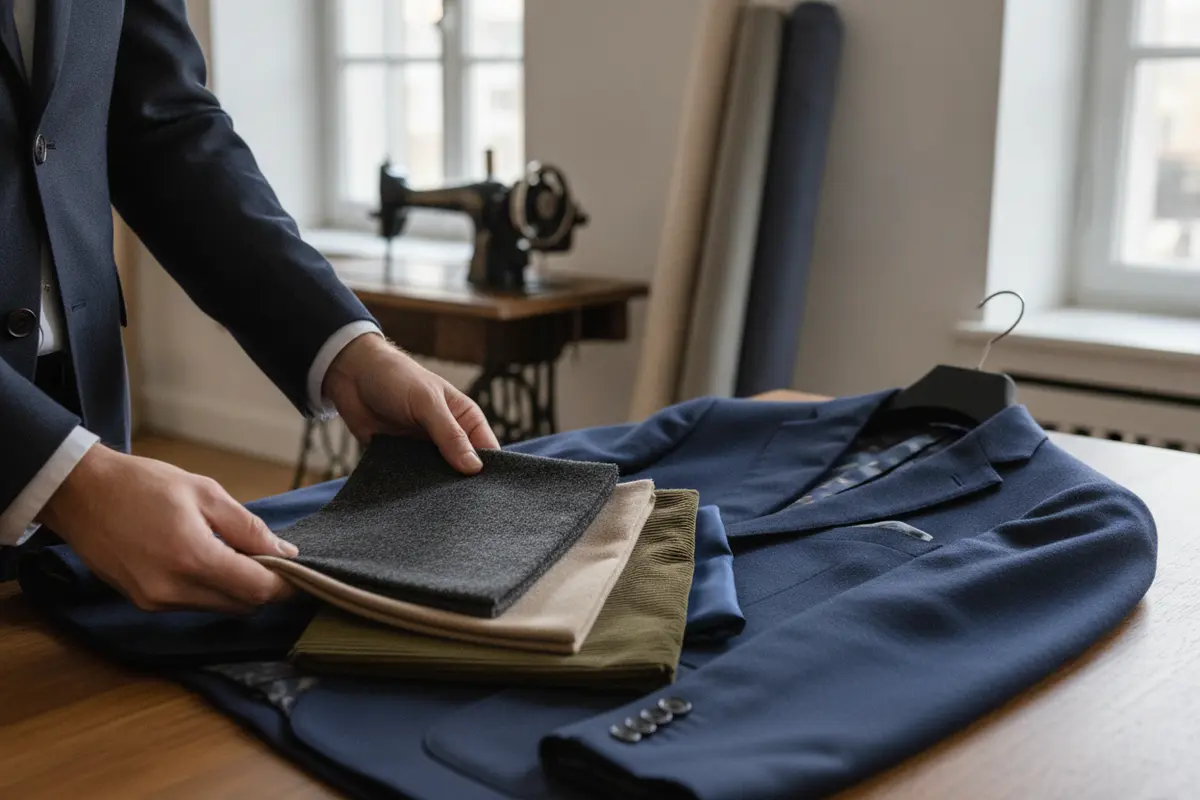
How can you make wardrobe choices work together?
Think in outfits rather than isolated purchases. Before adding a piece, name two or three items you already own that could work with it. If you cannot identify any, ask whether you need a supporting piece or whether the item is too far from your everyday wardrobe. This simple check helps keep shopping connected to real use.
A useful wardrobe plan can include a core set of work clothes, a few pieces for less formal settings, and the garments required for special events. Keep the balance personal. A person who wears a suit daily has different priorities from someone who needs one for occasional meetings. The objective is not to own a prescribed number of items; it is to have appropriate choices when you need them.
- Choose a primary use for each proposed garment.
- Check how it coordinates with colors and pieces you already wear.
- Consider whether it can move between the settings you actually attend.
- Keep special-occasion needs distinct from everyday wardrobe gaps.
For example, if you often wear a navy jacket to work, a new shirt should make sense with that jacket and with the trousers you own. If a garment is intended only for a formal event, judge it by that event instead of expecting it to solve everyday needs. This small distinction can make recommendations easier to compare and reduce the chance of buying pieces that remain unworn.
For casual combinations, browse custom casual attire. If you want help thinking through a broader wardrobe plan, the wardrobe styling service is relevant. You can also read the practical guide to finding your style before an appointment.
What happens during a hands-on styling experience?
A productive appointment is a conversation as well as a selection process. You can explain your priorities, consider clothing and fabric options, and discuss how fit and details relate to your needs. The experience should leave room for questions and adjustments in direction as you learn what feels right.
Trevor Furbay Bespoke brings personal, hands-on styling and tailoring expertise to its appointments. Its Cincinnati location is the flagship, while Columbus/Dublin is appointment-based. The company also operates a seasonal Harbor Springs boutique from Memorial Day through Labor Day. For a Dublin-area visit, schedule ahead and confirm availability when booking.
During the conversation, explain what you want the clothing to do before narrowing down details. A stylist can then help you consider suitable garments, discuss fit and options, and identify whether an additional fitting or follow-up may be needed. If you are uncertain between two directions, describe the difference that matters to you: comfort, formality, how often you expect to wear it, or how it coordinates with existing pieces.
Explore appointment scheduling to take the next step. For additional wardrobe context, the bespoke suit guide explains what to consider when exploring custom tailoring. You can also review the clothiers and personal stylists to learn more about the people behind the service.
How do you evaluate recommendations afterward?
After your appointment, review each choice against the original goal. Does it solve a need you named? Does it work with pieces you own? Is the fit and comfort suitable for the occasions you expect? If something remains unclear, ask for guidance before making a decision. A considered wardrobe is built through choices that make sense, not through pressure to leave with a particular number of items.
Keep notes about what you learned: preferred fits, combinations that work, and any remaining gaps. If a garment requires a fitting or follow-up, confirm the next step and timing. For a special event, allow enough time to discuss selections and fittings well before the date. Wedding clients should begin four to five months before the wedding so there is room to discuss the event, explore clothing, complete measurements and fittings, and confirm final delivery.
A simple review can sort recommendations into three groups: pieces that directly solve the immediate need, options worth considering later, and items that do not fit your lifestyle. There is no need to treat every suggestion as an obligation. You can ask how a garment would be used, what it coordinates with, and what additional steps it involves. These questions make the decision more informed and help keep the plan connected to your priorities.
How can you plan for different parts of your week?
One way to make a shopping appointment more useful is to map clothing needs to an ordinary week. Think about the range of situations you actually encounter, rather than an imagined ideal schedule. You may have office days, client-facing meetings, travel, dinners, and relaxed weekends. The frequency and formality of each setting can help determine which garment deserves attention first.
For a professional who wears tailored clothing several days a week, the question may be how to make existing pieces coordinate more easily. A jacket, shirts, and trousers that work in more than one combination can make getting dressed simpler. For someone who wears a suit only occasionally, the priority may instead be a single appropriate outfit that fits the event and can be worn again. Neither plan is inherently better; each should reflect the person’s routine.
Make a short list with three columns: situation, clothing already available, and the remaining problem. For example, under “client meeting,” you might note that you have a jacket but are unsure which trousers and shirt create the right level of formality. Under “weekend dinner,” you might note that your usual casual clothes feel too informal for some venues. This is not a shopping list yet. It is a way to show where advice could have the greatest practical value.
Then choose one or two priorities for the appointment. If you bring every possible need at once, it may be difficult to compare options carefully. A focused visit can still uncover related gaps, but you will have a clear way to judge whether a recommendation solves the problem that brought you in.
How can you make a considered choice during the appointment?
When considering a garment, pause long enough to connect it to use. Ask yourself where you would wear it, what you would pair it with, and whether it feels comfortable in the movements required by that setting. A piece can be attractive on its own and still be a poor match for your closet or daily routine. Conversely, a quiet, versatile choice may become one of the items you reach for most often.
Try comparing options against the same criteria rather than switching standards as you go. You might consider purpose, comfort, coordination, and timing. For an event garment, timing and dress expectations matter. For a work staple, comfort and repeat wear may matter more. Asking the same questions of each candidate makes the decision clearer and helps you explain what you prefer.
- Purpose: Can you name the occasion or routine this garment serves?
- Coordination: Can you identify existing pieces that work with it?
- Comfort: Does it feel appropriate when you sit, stand, and move naturally?
- Timing: Is there enough time for any selection, fitting, or follow-up steps?
- Preference: Would you choose this color, fabric, and silhouette again after the appointment?
If the answer to one question is uncertain, use that uncertainty to guide another conversation rather than rushing to decide. You might ask whether a different combination would be more versatile or whether the garment is intended for a specific occasion. A stylist can explain available options, but your own comfort and intended use remain central to the decision.
What should you do if your priorities change?
It is normal for a shopping goal to become more specific after you see options. You may arrive thinking mainly about a suit and realize that a better-fitting jacket or a coordinated set of shirts addresses the more frequent need. You may also discover that the initial idea is not quite right for the event or your preferences. A useful appointment allows you to discuss that change openly.
Keep the original goal in view, but do not treat it as a fixed instruction. If a recommendation does not feel like you, explain what is bothering you. Perhaps the formality feels too high, the color is difficult to wear, or the garment does not solve the practical issue you described. Clear feedback gives the stylist a chance to adjust the direction. It is more helpful than agreeing politely and later leaving the item unworn.
You can also decide to handle a wardrobe project in stages. First address a dated event or a garment you need regularly. Later, revisit secondary gaps once you understand what combinations work. Staging choices can make the process feel more manageable and give you time to assess how new pieces fit into your life. There is no required number of purchases for an appointment to be worthwhile; a clearer plan can be a useful outcome on its own.
Frequently Asked Questions
Is personal shopping only for men who need a suit?
No. An appointment can address work clothing, casual pieces, wardrobe coordination, or a specific event. The useful starting point is the need you want to solve.
Should I bring clothes to the appointment?
Bring a few examples if they help explain your preferences or the pieces you want to coordinate with. Photos can also provide useful context, and you can ask when booking what is helpful for your appointment.
Can I compare custom and ready-to-wear options?
Yes. Discuss what you need and ask which route makes sense for the garment and your preferences. Custom pricing depends on fabric and customization, so it is best addressed in a consultation.
When should I start planning wedding attire?
Begin four to five months before the wedding. That gives time to discuss the event, explore choices, complete measurements and fittings, and confirm final delivery.
Is the Columbus/Dublin location walk-in?
The Columbus/Dublin location is appointment-based. Schedule ahead to discuss availability and the kind of styling appointment you need.
With a clear goal, a few examples from your wardrobe, and an open conversation about fit and use, personal shopping can lead to choices that feel considered and genuinely useful.