
A personal stylist service can help you make clearer decisions about what to wear, what to add, and how to make new pieces work with clothes you already own. The right support starts with your routine, preferences, fit challenges, and the occasions you dress for, then turns those details into a practical plan. Whether you need work outfits, a wedding look, or a wardrobe that feels more like you, knowing what to expect helps you use an appointment well.
What does a personal stylist service include?
A personal stylist service may include wardrobe planning, help choosing colors and silhouettes, outfit building, shopping guidance, closet editing, and recommendations about tailoring. The exact scope depends on what you want to solve. One person may need versatile pieces for a new role. Another may want to make separate items work together or prepare for a formal event.
A useful consultation begins with listening. Expect to talk about work, social plans, comfort, current clothes, and the moments when getting dressed feels difficult. At Trevor Furbay Bespoke, personal styling and consulting can include wardrobe consulting, closet cleaning, and personalized shopping experiences. The stylists and their approach can help you understand how hands-on guidance may complement your wardrobe.
Good advice should be specific enough to use after the session. Instead of simply identifying a color or trend, a stylist can help connect a new jacket to trousers you own, show how a shirt changes the formality of an outfit, or identify the missing piece that makes several combinations possible. The result is not necessarily a bigger closet. It is a clearer way to use it.
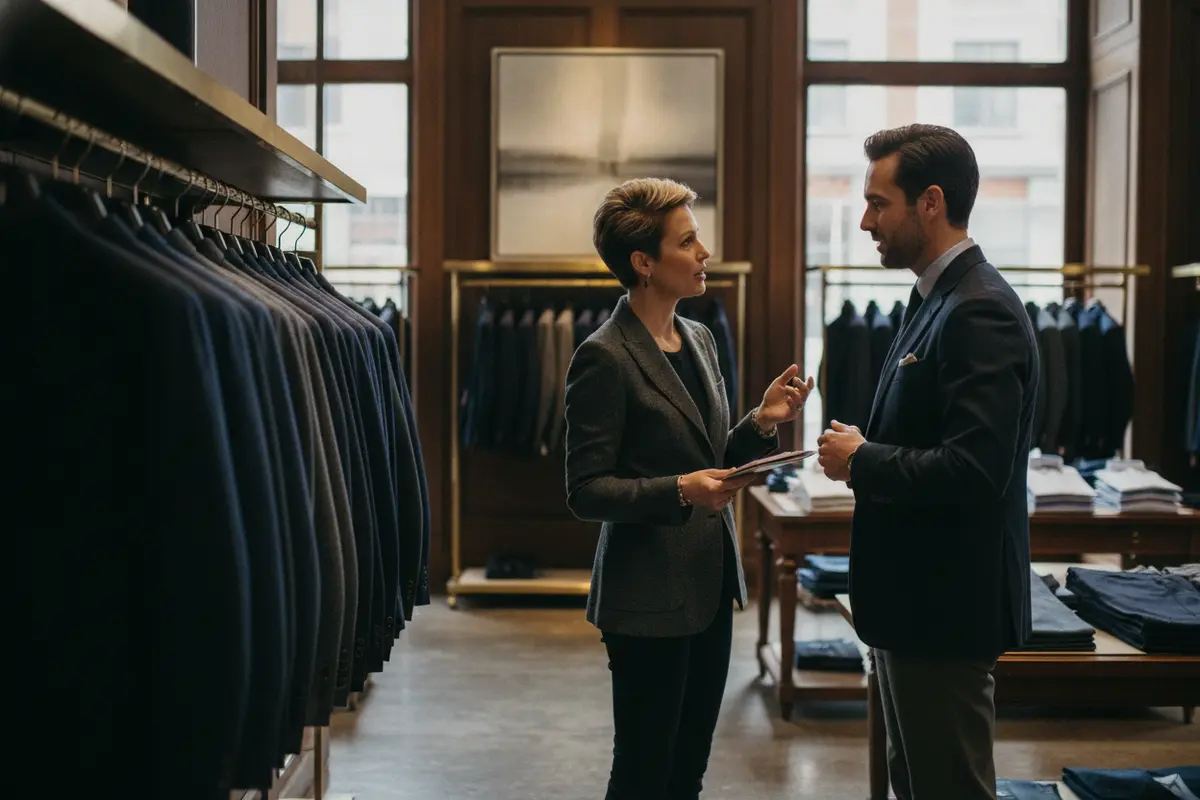
How should you define your goals before an appointment?
Arrive with an outcome in mind, even if you do not know how to reach it. Replace a broad goal such as “look better” with the situations causing friction. Perhaps you are unsure what to wear to client meetings, your casual clothes feel too relaxed, or your closet contains pieces that rarely form complete outfits.
- Name the occasion. Think about workdays, travel, weddings, weekends, or a change in role.
- Describe the problem. Explain whether fit, comfort, color coordination, or a lack of combinations is the main issue.
- Set practical boundaries. Share your preferred formality, shopping habits, and how much time you want to spend getting dressed.
- Bring examples. Photos of outfits you like or pieces you wear often can make preferences easier to explain.
It helps to identify what you do not want, too. If you dislike stiff fabrics, rarely wear a tie, or need clothes that can move between office and travel, say so. A stylist’s recommendations should reflect your real life, not an imagined version of it.
Consider writing a short wardrobe brief before you go. For example: “I need three reliable combinations for presentations, prefer soft jackets, and want to use my navy trousers.” That gives the conversation a concrete starting point. If several needs compete, rank them. A near-term event may come first, while a larger wardrobe review can be planned for another appointment.
It can also help to track one ordinary week before the meeting. Note what you wore, what felt comfortable, and where you hesitated. A pattern may emerge: perhaps the same jacket solves several mornings, while a closet full of dress shirts still leaves you short of outfits for informal dinners. A few observations are enough to distinguish an actual gap from a purchase impulse.
What happens during a personal styling consultation?
A productive appointment usually moves from conversation to options and then to a plan. The stylist learns what matters to you, reviews appropriate garments or fabrics, and helps you assess proportion, color, and versatility. If tailoring is relevant, fit and customization can be discussed in context. Custom tailoring is consultation-based; pricing depends on fabric and customization, so there is no single price for every garment.
Think of the session as collaborative, not prescriptive. You should be able to explain what feels comfortable, ask why a choice works, and decide which recommendations fit. A jacket, for example, should be considered with trousers you already own rather than as an isolated purchase. Explore custom styling and tailoring options when a personalized garment could address a specific wardrobe need.
To make a recommendation useful, ask how to wear it. Which shirt would make the jacket feel relaxed? Which trouser color creates a more formal combination? Could it work with shoes already in your closet? These questions turn a single-item decision into an outfit plan. If a recommendation does not suit your daily habits, explain why and discuss alternatives.
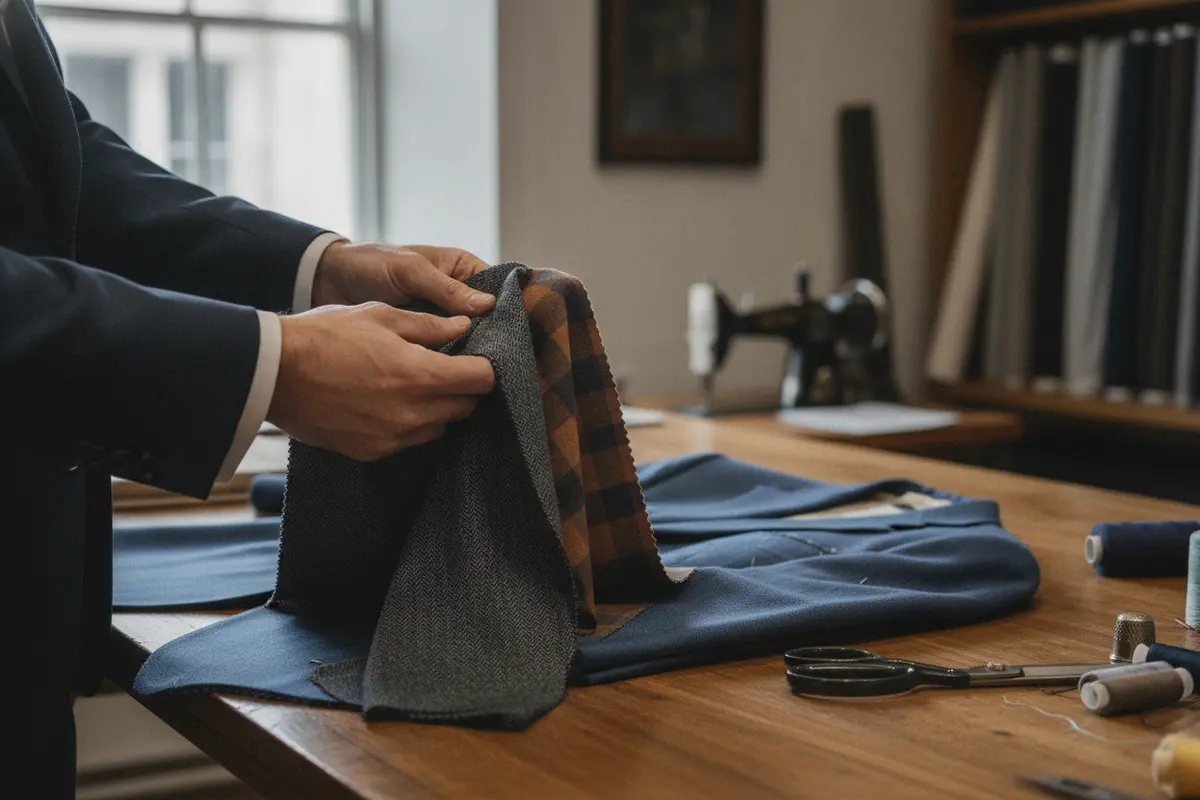
Before you leave, distinguish a decision from an idea. A decision might be to pursue a versatile jacket in a certain color family. An idea might be to reconsider your formal wardrobe later in the year. This separation prevents a useful conversation from turning into a long shopping list. Ask the stylist to explain any next step, including whether it involves another appointment, a fitting, or time to evaluate options.
How do you choose between custom, ready-to-wear, and StyleBox?
There is no one right route for every need. Custom clothing can address specific preferences and fit considerations. Ready-to-wear gives you an immediate way to explore available pieces, with tailoring considered where appropriate. StyleBox can suit someone who wants curated options delivered for a try-on at home. Compare each approach by the problem you are solving, not by assuming one format is always best.
| Approach | Useful when | What to consider |
|---|---|---|
| Custom tailoring | You want to personalize fabric, details, and fit through a consultation. | Allow time for consultation and garment process. Cost depends on fabric and customization. |
| Ready-to-wear | You want to explore available pieces and build outfits around your current wardrobe. | Check how each item works with existing clothes and whether tailoring may help. |
| StyleBox | You prefer curated selections brought to you for a try-on. | No styling fee; pay only for what you keep. Complimentary delivery and pickup apply in Cincinnati. |
For a custom suit, sport coat, or trousers, review custom suit options and tailored jacket and sport coat choices. A more relaxed wardrobe may call for the casual clothing collection. If home try-ons fit your schedule, learn how to get started with StyleBox.
To choose, consider three practical questions. First, is the need immediate or can you plan ahead? Ready-to-wear may address an immediate gap, while custom work involves consultation and a garment process. Second, is the challenge primarily fit, selection, or coordination? Custom can address personal preferences and fit; a curated try-on can help when you want to evaluate a range of pieces conveniently. Third, how do you prefer to make decisions? Some people want to compare fabrics and details with a stylist; others prefer to try items at home.
For example, if your goal is one jacket that works with existing trousers, bring or photograph those trousers and discuss both custom and ready-to-wear possibilities. If your wardrobe problem is that you cannot assemble a work outfit quickly, focus on combinations rather than one special purchase. A stylist can help map a few pieces across multiple settings so you can judge their usefulness before deciding.
Think through a sample case: you have a formal event in six weeks, but also want more options for regular workdays. Separate the urgent requirement from the longer-term one. Discuss whether available ready-to-wear can meet the event need, and keep the custom conversation focused on the ongoing wardrobe gap if there is time to plan. If an at-home try-on fits your schedule, use it to compare selected pieces, then assess each against clothes you already wear. The aim is not to force one service to solve every problem at once.
Suppose you own several jackets but rarely wear them. Buying another may not address the problem. Bring photos or describe the combinations that feel incomplete. A closet review or outfit-planning conversation may reveal that the missing element is a particular trouser, shirt, or adjustment in formality rather than another jacket. A focused recommendation can be more useful than adding a category of clothing you already have.
How can styling make a wedding outfit easier?
Wedding clothing involves more than choosing a suit or tuxedo. Venue, dress code, time of day, wedding party, and personal taste all affect the decision. Begin four to five months before the wedding to allow time for planning, selection, measurements, and final fitting.
A thoughtful wedding process includes discovery and planning, styling and selection, measurements and fitting, and a final fitting and delivery. The couple can discuss the event theme and timeline before considering fabrics, styles, and accessories. See the wedding attire consultation process and custom tuxedo options. Guests can use the men’s wedding guest style guide to think through dress code and setting.
Early planning gives the couple room to make coordinated decisions without requiring everyone to wear an identical outfit. Discuss which details should align, such as overall formality or a shared color direction, and where individuals can choose their own details. The venue and schedule matter: an outdoor afternoon ceremony and an evening reception may call for different choices than a formal indoor celebration. Gather these facts before selecting garments.
For wedding parties, clarify who is responsible for each decision and when measurements or fittings need to happen. Keep the event date, venue, dress code, and party size available during consultation. If the date is close, ask what can realistically be accomplished instead of assuming every option remains available.
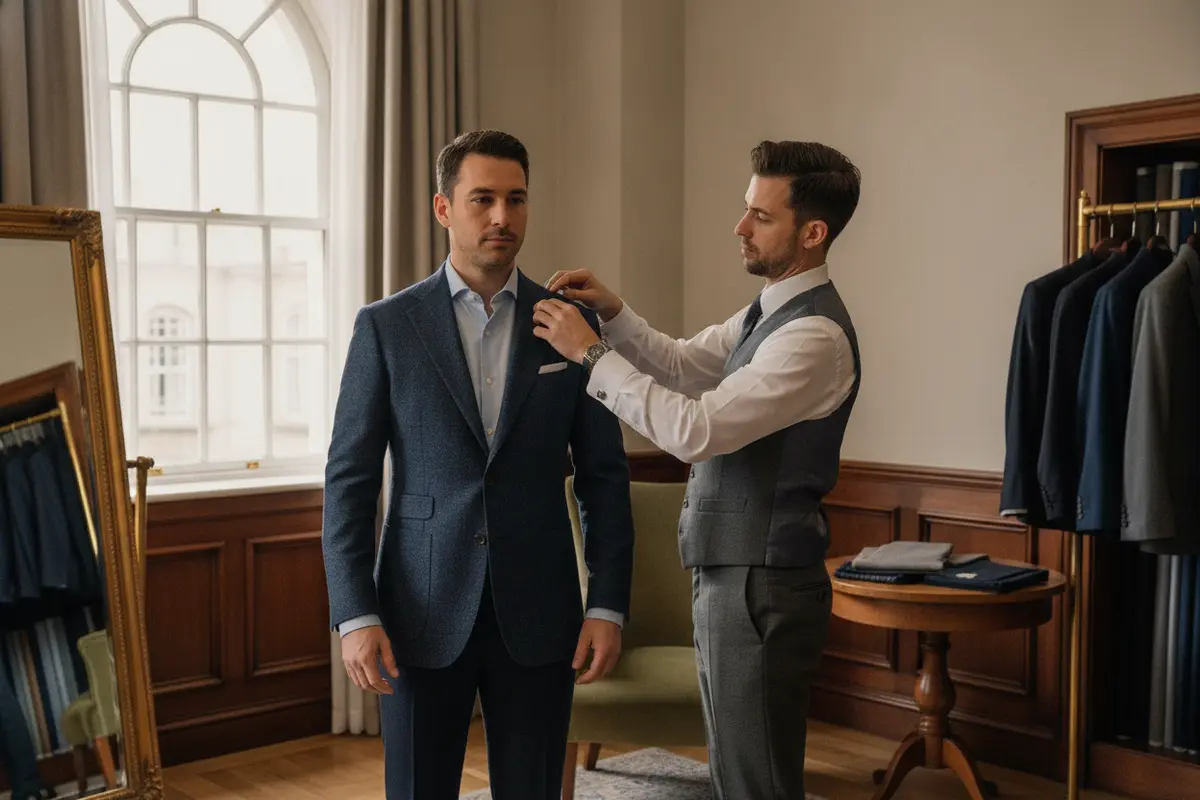
For a groom, a useful first conversation can cover the relationship between the outfit and the full day. Consider whether the ceremony and reception share a dress code, whether the venue calls for a particular level of formality, and whether the groom wants a traditional or more individual look. Then discuss how the wedding party should relate to that choice.
For a guest, the invitation is the starting point. Confirm the dress code, time, and venue before selecting pieces, then think about comfort for the length of the event. If the invitation is unclear, ask the hosts rather than guessing. A stylist can help translate the answer into choices about formality, color, and fit, while keeping your wardrobe and preferences in view.
What should you look for in a stylist?
Look for a professional who asks thoughtful questions and explains recommendations in a way you can use later. Personal style is individual, so guidance should account for your preferences and daily demands. You should feel comfortable saying that a piece is not right. The purpose is to make decisions clearer, not to pressure you into a uniform or purchase.
- Relevant experience: Ask whether the stylist works with the occasions and clothing categories you need.
- A clear process: Find out how the appointment works and what you should bring.
- Fit awareness: Discuss whether custom options or tailoring may be appropriate.
- Respect for your wardrobe: Ask how new pieces can coordinate with items you already own.
- Useful next steps: Leave with decisions or ideas that fit your everyday routine.
You can judge the quality of the conversation by whether the recommendations have reasons behind them. “This works” is less useful than an explanation of how a jacket’s length, trouser rise, or color relationship supports the outcome you described. You do not need to agree with every suggestion. A good exchange helps you understand the choices and select the ones that feel authentic.
Explore custom trousers or custom shirts when a fit or wardrobe gap calls for closer attention. A stylist can weigh those possibilities against ready-to-wear and the clothes already in your closet.
It is reasonable to ask practical questions before booking: how long the appointment lasts, whether you should bring garments or photos, and whether the discussion can focus on one occasion. A clear answer helps you decide what to prepare. Also ask how the stylist handles a recommendation that does not feel right. You should be able to discuss alternatives without feeling that you have to accept every suggestion.
How can you prepare for the appointment?
A little preparation makes the conversation more productive. Wear clothes that are easy to change out of if you expect to try garments. Bring a few pieces you want to coordinate, or take clear photos of items that are difficult to carry. Share your schedule, preferred colors, and practical requirements, such as clothing for travel or a mix of office and remote days.
Be candid about what you wear repeatedly and what stays untouched. Those details can reveal more than a shopping list. If you need an appointment in a particular area, check Columbus location information or Cincinnati store details and plan around the service you need.
Before you go, sort your notes into three groups: what must be solved, what would be helpful, and what is simply an idea for later. This prevents a consultation from becoming an unstructured tour of every possible purchase. If you have a budget range, share it in the context of the whole goal. For custom clothing, ask about the factors that affect cost; price depends on fabric and customization.
Photos work best when they show the full garment and its color in even light. Include pieces you wear often and those you struggle to style. You might also take a photo of a complete outfit that feels right, even if you cannot explain why. These examples give the stylist a more accurate picture of your taste than a list of trends alone.
Pack only a small, intentional selection if bringing clothes: one item you wear often, one piece you struggle to combine, and one garment tied to the occasion you are preparing for. If you are preparing for a wedding, bring the invitation details or a note with the venue, date, and dress code. If you are refining workwear, bring examples of what a typical workday requires.
How do you turn recommendations into a usable wardrobe plan?
At the end of an appointment, summarize decisions before leaving. Separate the pieces you want to pursue now from options that need more thought. Note which existing clothes each new item should work with, and identify any fit questions that still need attention. A short written list helps you remember the reasoning rather than only the garment names.
Try building a small outfit matrix. Put the main new or underused piece at the top, then list shirts, trousers, and shoes that could work with it. If one item connects to several combinations, it may solve a broader wardrobe need. If it only works in one narrow situation, decide whether that role is important enough to justify it.
For instance, a professional who owns navy trousers, gray trousers, and neutral shoes might assess a jacket by testing whether it works with at least two of those options. Someone preparing for a wedding may instead prioritize the event dress code, then consider whether the garment can be worn again for other formal occasions. The right plan depends on the brief.
After trying new combinations, note what feels comfortable and what needs adjustment. Share specific feedback with the stylist: perhaps the color works but the fabric feels too structured, or the outfit is polished but not practical for commuting. That feedback makes the next recommendation more precise and helps keep the wardrobe plan grounded in your routine.
You can make the matrix more concrete by recording the setting beside each combination. One jacket and two trousers may create a presentation outfit, a client lunch option, and a less formal dinner look when paired with different shirts and shoes. Record combinations you actually expect to wear, not every theoretical pairing. If an item only works with one other garment, note whether that dependency is acceptable or whether the supporting piece belongs in the plan too.
Then test the plan in real life for a few weeks. Notice whether you reach for the combinations, whether anything feels uncomfortable during a full day, and whether a garment needs a different fit or styling approach. You are gathering useful evidence about how the clothes serve your days, so a follow-up conversation can focus on what worked and what did not.
What should you expect from the follow-through?
Styling does not end when the appointment does. Depending on the goal, next steps might include trying selected pieces, considering a custom garment, arranging a fitting, or editing clothes at home. Ask what decisions remain, what the timing looks like, and how you can revisit an option if your needs change. The point is to make choices with more confidence.
When a garment is being considered for tailoring, communicate how you intend to wear it and what matters most in the fit. For a jacket, that might include comfort while seated, layering, or the shape you want to present at work. For trousers, note the shoes and shirts you expect to wear with them. These details help keep the conversation about the whole outfit rather than an isolated measurement.
As your work, schedule, or social life changes, your wardrobe priorities may change too. A new role might call for a few more polished combinations; a move toward travel could make comfort and versatility more important. You can revisit the original plan and decide whether to add pieces, adjust fit, or simply use what you own in new ways. A practical wardrobe evolves with its wearer.
Follow-through also means keeping the original goal visible. If you wanted easier mornings, judge the plan by whether it reduces decision-making, not by the number of pieces acquired. If the goal was a wedding outfit, check the timing of each fitting and confirm the complete look before the event. For a closet edit, make a note of items to reconsider later rather than making every decision in one sitting.
Frequently Asked Questions
Is a personal stylist service only for a full wardrobe overhaul?
No. You can focus on one need, such as work outfits, a wedding, or a few versatile additions. A focused goal often makes an appointment easier to plan.
Should I bring my own clothes?
Bring items you want to coordinate if they are easy to carry, or use photos to show what you own. Your stylist can consider how new choices fit into your existing wardrobe.
Can a stylist help with custom clothing?
Yes. A styling conversation can include custom garments when they suit your goals. Custom tailoring is consultation-based, and price depends on fabric and customization.
How early should I seek help for wedding attire?
Begin four to five months before the wedding. This allows time for discovery, selection, measurements, fittings, and delivery.
A thoughtful personal stylist service should leave you with a clearer sense of what works for your life and a practical way to build on it. Start with your real needs, ask questions, and choose support that feels comfortable and useful.