
The right suit earns its place by serving the life you actually lead. A polished office wardrobe, a week of business travel, a wedding weekend, and a black-tie evening may call for different levels of structure, texture, and formality.
The best suit for men begins with the occasion, then balances fit, fabric, versatility, and professional styling. Choose a silhouette that allows comfortable movement, a fabric suited to the climate and travel demands, and details that can shift gracefully from one setting to the next.
That decision becomes clearer when you define where the suit will be worn and what you want it to communicate. From daily meetings to milestone celebrations, the setting gives every later choice a purpose, including color, layering, accessories, and the level of tailoring your wardrobe deserves.
Start with the Occasion, Not the Rack
The right suit begins with the life it needs to enter. Before choosing a lapel, color, or cloth, consider where you will wear it, how much movement the day requires, and what the setting asks of your appearance. A suit for men should support the occasion without making you feel as though you are wearing a costume.

Work calls for quiet authority
For a professional wardrobe, begin with the expectations of your workplace and the relationships you want your clothing to support. A structured navy, charcoal, or deep neutral suit can communicate polish without competing with the room. If you move between meetings, presentations, and client dinners, favor a construction that keeps its shape and a fabric with enough visual restraint to work across settings. Wool is commonly used for suits, and its natural strength helps it hold its original shape well. Learn more about wool’s shape retention.
Then decide what needs to change from day to evening. A lighter shirt, refined knit, or more expressive pocket square may shift the tone without requiring a second suit. The goal is not maximum formality. It is a dependable foundation that feels appropriate in your particular professional environment.
Travel rewards controlled versatility
Travel adds practical questions. Will you arrive directly at a meeting? Will the suit need to move from a daytime appointment to dinner? Will the destination be warm, cool, humid, or changeable? Those answers guide fabric weight, color, and construction more effectively than choosing whatever looks most appealing on a hanger.
For frequent travel, a restrained color and clean silhouette often coordinate easily with several shirts and shoes. Ask a professional clothier to assess how the garment will serve your actual itinerary, including time seated, walking, and changing temperatures. This is also where a measured wardrobe plan is more useful than a one-off purchase.
Celebrations need coordination, not uniformity
For weddings and other celebrations, consider the venue, time of day, requested formality, season, and overall color story together. The groom may wear a custom suit, tuxedo, or dinner jacket while the wedding party coordinates through complementary fabrics, tones, or accessories. Trevor Furbay Bespoke provides custom and ready-to-wear suits for grooms and wedding parties, along with professional fittings and coordination support. Explore wedding suit styling.
Wedding planning should begin early, especially when several people need to look cohesive. Consultations are recommended four to five months before the wedding day and address the setting, formality, color scheme, wedding details, and the bride’s dress. The process can include a Signature Style Session, final fitting, and bespoke suit presentation. Decisions become calmer when they are made well before the final week.
Formal events make the dress code decisive
When an invitation specifies black tie or another formal dress code, let that instruction lead. A tuxedo or dinner jacket may be more fitting than a conventional business suit. A semi-formal or cocktail setting allows more room for texture, color, and personal expression. When the wording is unclear, bring the invitation and event details to a consultation. Trevor Furbay’s relaxed appointments combine advice on fit and fabric with discussion of lifestyle and wardrobe goals, in an environment designed for thoughtful decisions rather than hurried selection. That guidance helps connect the clothes to the occasion, from the first fitting through the final appearance.
What Makes a Suit for Men Versatile?
The most useful suit in a professional wardrobe is not necessarily the boldest one. It is the garment that can move comfortably between a client meeting, a dinner reservation, a business trip, and a celebration without looking out of place. Versatility comes from the relationship between color, structure, fabric, and the rest of your wardrobe.
Begin with a color that earns repeat wear
For a first or most frequently worn suit, consider a color that works across your existing shirts and shoes. Deep navy, charcoal, and similarly restrained shades are usually easier to dress up or down than a highly distinctive pattern. The right choice also depends on your calendar. A suit intended for boardrooms may call for a quieter surface, while one worn primarily to evening events can accommodate more texture or contrast.
Think beyond the jacket alone. A versatile color should coordinate with several shirts, including white, light blue, and subtle patterns. It should also work with both brown and black leather shoes when the dress code permits. Small changes in shirt, tie, pocket square, and shoe can make the same foundation feel purposeful rather than repeated.
Choose structure that suits your real life
A suit with moderate structure often offers the widest range of use. It should hold a clean line for professional settings without feeling so rigid that it becomes uncomfortable during travel or a long day of movement. Shoulder shape, lapel scale, jacket length, and trouser proportion all influence that balance. The goal is not to chase a particular cut label. It is to find a silhouette that reflects your build and the occasions you actually attend.
Fabric matters here as well. Research on clothing comfort considers thermal and sensory factors together, rather than reducing comfort to one simple measurement. Lightweight, breathable fabrics are designed to support sweat evaporation and comfort in heat, which can make sense for warm-weather events or travel. Linen, for example, is cool in warm weather and has a distinctive texture, though it also wrinkles easily. Those characteristics may be desirable for a relaxed summer setting and less suitable for a crisp, high-formality schedule. Research on fabric and clothing comfort provides useful context for making that decision.
Make separates part of the plan
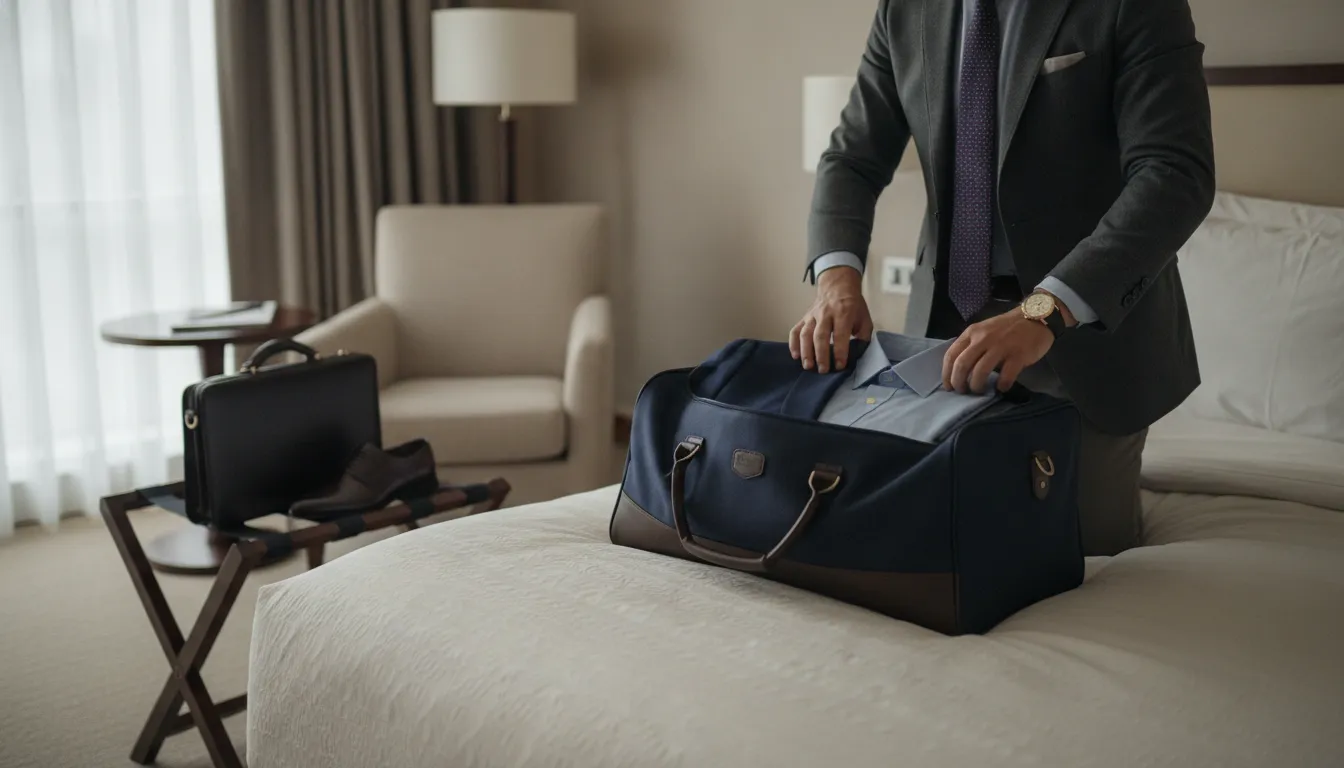
Versatility increases when the jacket and trousers can work independently. A suit jacket may pair with tailored trousers for a softer business look. The trousers can be worn with a fine-gauge knit or an unstructured sport coat when the occasion allows. This only works when the pieces relate in color, texture, and formality. A jacket that is too formal or a trouser fabric that is too casual will limit the combinations.
Before choosing, review your wardrobe honestly. Count the shirts you wear, the shoes you reach for, and the settings on your calendar. A well-chosen suit for men should give you several credible outfits, not one perfect photograph. Professional guidance can help refine those combinations while keeping the result personal, polished, and practical.
Choose Fabric for Climate and Travel
Fabric determines how a suit feels through a long day, how it responds to movement, and how confidently it arrives after a journey. The right choice depends on more than the forecast. Consider the setting, the amount of walking or sitting involved, your tolerance for wrinkles, and whether the suit needs to move between work, dinner, and formal occasions.
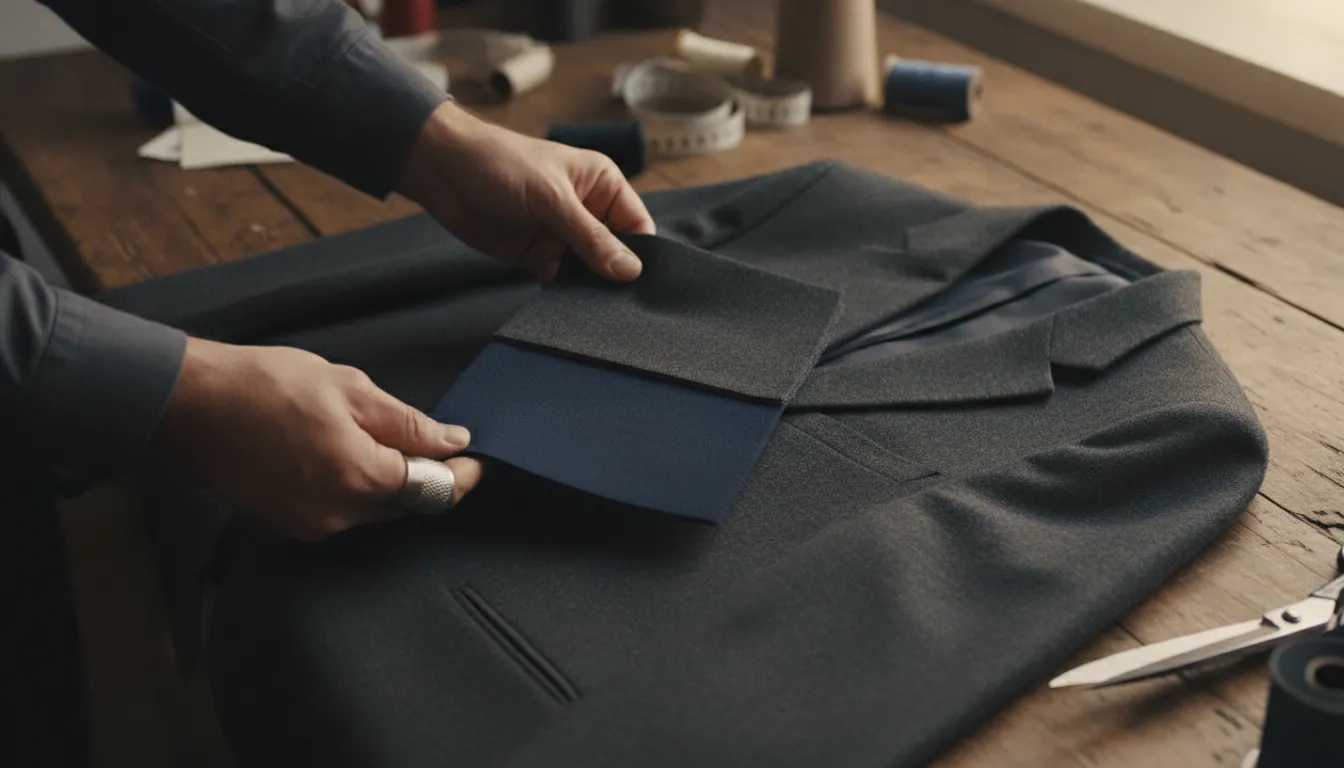
Wool remains a dependable foundation for a suit for men because it is strong and holds its original shape well. Its natural crimp creates air pockets that provide insulation in cooler weather, while its tailored structure can support a polished silhouette. That makes wool a thoughtful choice for professional wardrobes that need composure across changing indoor and outdoor temperatures. Research on wool fiber properties supports its shape retention and insulation characteristics.
Linen takes the opposite approach. It is cool in warm weather, absorbs water, and dries quickly. Its thick-and-thin fiber pattern gives it a distinctive texture that feels naturally relaxed, especially for warm-weather celebrations and destination settings. The tradeoff is visible character: linen wrinkles easily and has fair abrasion resistance with lower durability than some alternatives. That is not a flaw when a relaxed finish suits the occasion, but it may be less appropriate when a crisp, nearly untouched appearance is essential.
| Fabric | Climate and feel | Travel and drape considerations | Best considered for |
|---|---|---|---|
| Wool | Adaptable across cooler conditions, with natural insulation and a structured feel. | Strong shape retention can support a composed appearance, though the final result depends on weave and construction. | Work wardrobes, frequent wear, and occasions where polish matters. |
| Linen | Cool in warm weather, with a distinctive textured surface. | Absorbs water and dries quickly, but wrinkles easily and may show wear sooner. | Summer events, relaxed tailoring, and destination celebrations. |
| Cotton | A natural-fiber option whose comfort and structure vary with its weave and finish. | Evaluate the specific cloth in person for drape, crease behavior, and how it supports the intended silhouette. | Casual or smart-casual wardrobes where a less formal character is welcome. |
| Blends | Can combine different fiber characteristics, but the result depends on the exact composition and construction. | Compare the cloth’s hand, drape, breathability, and wrinkle response rather than assuming every blend performs alike. | Travel wardrobes seeking a balance tailored to a specific lifestyle. |
There is no universal winner between natural fibers and blends. Academic research on clothing comfort notes that thermal and sensory comfort involve several factors, rather than one simple measurement. Lightweight, breathable fabrics are designed to support sweat evaporation and comfort in heat, but the cloth is only part of the experience. The cut, lining, fit, and your actual itinerary matter just as much.
For travel, bring the destination and schedule into the fabric conversation. A polished business itinerary may call for wool’s shape retention. An outdoor summer celebration may reward linen’s coolness and texture. If you need one garment to cover several settings, examine the specific fabric’s drape and crease behavior with an experienced clothier instead of choosing by fiber label alone.
Build the Right Fit for a Suit for Men
A well-fitting suit should support the way you stand, walk, sit, reach, and greet people. It should look composed without making movement feel restricted. The best result is not simply a smaller silhouette. It is a balanced relationship between the jacket, trousers, shirt, and your own proportions.
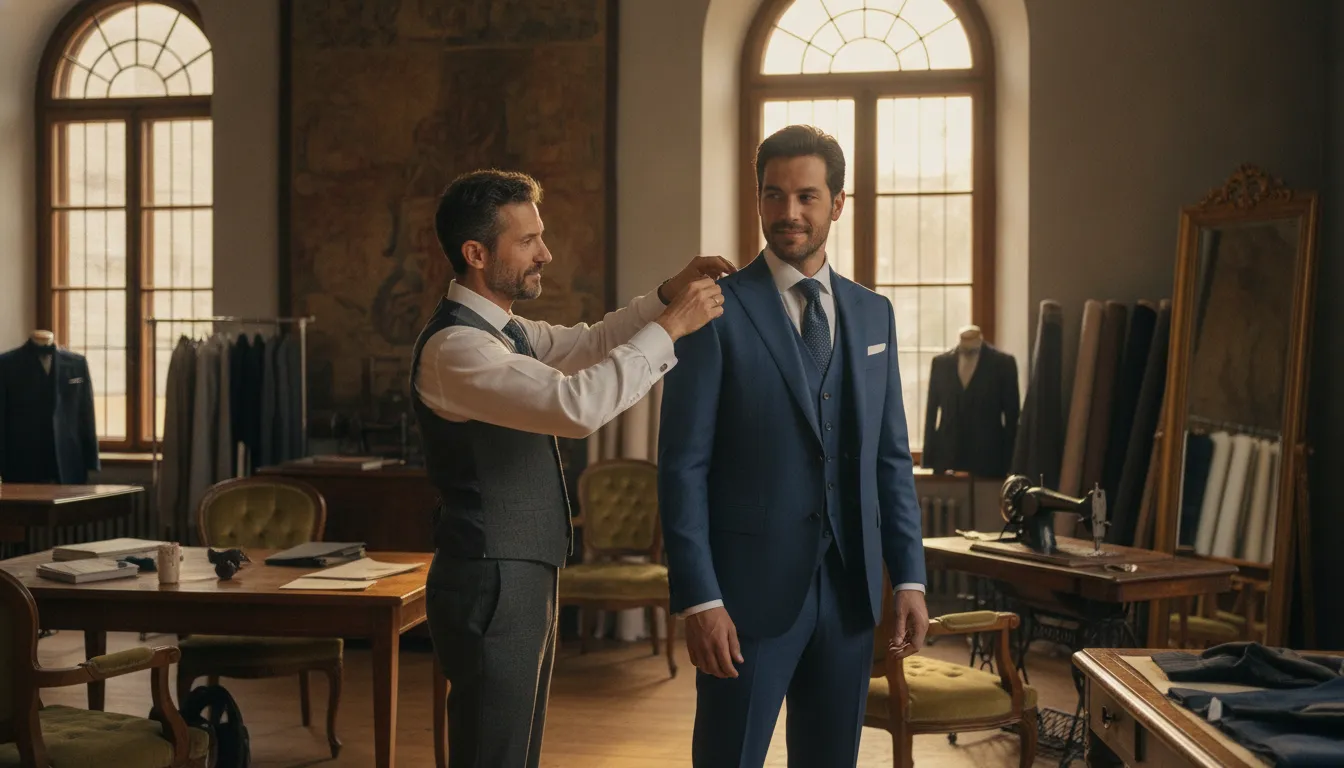
Start with the shoulders. The jacket should sit cleanly at the natural shoulder line, without collapsing beyond it or creating tension across the upper back. From there, a professional fitter considers the jacket’s balance, including how the front and back hang together. Shoulder angle, back arch, and overall proportions can matter as much as basic measurements, particularly when one side of the body sits differently from the other. Learn more about the custom suit fitting process before making a final decision.
Balance the jacket with your proportions
Jacket length, button placement, lapel scale, and the shape of the chest all influence how the body appears. A shorter jacket may feel modern, but it is not automatically more flattering. A classic proportion can create a more assured presence, while a cleaner, closer cut may suit a more contemporary wardrobe. The right choice depends on your frame, posture, lifestyle, and the occasions the suit needs to serve.
Fit categories such as slim, modern, and classic are useful starting points, not universal answers. Two people can wear the same labeled size and need different adjustments. Separates can also help when the chest, waist, or seat does not follow a standard proportion, but the finished garment still needs professional evaluation.
Leave room for real movement
Try the jacket while standing naturally, then move as you would during a typical day. Reach forward, sit down, and let your arms rest at your sides. The collar should stay close to the neck without pulling, the lapels should lie smoothly, and the vents should remain settled. A little ease through the back and armhole is valuable. Excess fabric, however, can obscure the clean line that gives a suit its authority.
Trousers should follow the body rather than cling to it. The waistband should remain comfortable when seated, while the rise and seat should allow a natural stride. The trouser line should fall cleanly from the hip to the hem, with the break selected according to the wearer’s build and preferred level of formality. A professional fitting can refine the sleeves, jacket, and trousers together so that no single adjustment throws off the entire silhouette.
Take your time during the fitting. A relaxed consultation makes space for practical questions about work, travel, celebrations, and how often the garment will be worn. That conversation helps turn a suit from a formal uniform into clothing that feels genuinely yours.
Style a Suit for Work, Travel, and Events
The right styling choices let one well-fitting wardrobe work across a demanding calendar without making every occasion look identical. Begin with the setting and dress code, then adjust the shirt, shoes, accessories, and level of structure to suit the moment.
Work and business travel
For the office, a restrained palette and clean proportions create a dependable foundation. A navy or charcoal suit with a white or pale blue shirt is polished without feeling overworked. Leather oxfords or derbies suit a more traditional business environment, while a refined loafer can feel appropriate in a relaxed office. Keep accessories intentional: a quiet tie, a simple pocket square, and a leather belt or watch are usually more effective than several competing details.
Travel calls for the same discipline with more attention to movement and practicality. Choose a shirt that can transition from a client meeting to dinner, and favor shoes that are comfortable enough for the journey while remaining presentable. Pack accessories separately so the look can change when you arrive. If the itinerary includes several settings, a two-piece suit often gives you more flexibility than a highly formal ensemble. A jacket can also become a separate layer with trousers or dark denim when the dress code allows.
Celebrations and formal events
Celebrations invite more personality, but the invitation should lead the decision. A daytime outdoor gathering may welcome lighter colors, softer textures, or a less rigid shirt-and-shoe combination. An evening celebration typically calls for deeper tones and more polished footwear. For a wedding, consider the venue, formality, color scheme, wedding details, and the bride’s dress before selecting the final look. Trevor Furbay Bespoke provides custom and ready-to-wear suits for grooms and wedding parties, along with professional fittings and coordinated styling. Wedding attire consultations can help the group look cohesive without requiring every person to look identical.
Formal events require close attention to the stated dress code. Black tie generally points toward a tuxedo rather than a standard business suit. For formal but non-black-tie occasions, a dark suit, crisp shirt, polished shoes, and restrained accessories offer a reliable starting point. Lapel shape, shirt collar, tie texture, and pocket-square fold can raise the formality without adding unnecessary ornament.
When expert guidance adds value
Ask for help when the event has several style variables, when you are coordinating a group, or when your wardrobe must serve work and social commitments alike. A personal shopper for men can help translate your schedule, existing wardrobe, and comfort preferences into combinations that feel personal. A relaxed consultation can also address fit, fabric, and long-term wardrobe goals before you commit to a purchase. For weddings, starting four to five months ahead creates room for thoughtful selection and professional fittings.
When Custom Tailoring Is the Better Decision
Ready-to-wear can be an excellent choice when you need a dependable suit quickly and a standard size already suits your proportions. Custom tailoring becomes the better decision when the garment needs to do more: reflect a distinct personal style. It should serve several occasions or accommodate details that are difficult to solve with a standard pattern.
Fit is often the clearest reason to choose custom. A professional fitting considers more than chest, waist, and inseam measurements. Shoulder angle, back arch, posture, and overall proportions all influence how a jacket hangs and how comfortably it moves. If you regularly find that one size fits your shoulders but pulls across the back. While another fits your waist but requires professional adjustment elsewhere, a custom approach gives the stylist more useful information to work with.
Custom also makes sense when versatility has to be intentional. A suit for men that will move from boardroom meetings to dinners, travel, celebrations, or wedding events should be planned around the rest of the wardrobe. The color, texture, jacket structure, trouser choice, and level of formality can work together rather than being selected in isolation. A quieter cloth and refined details may create a foundation for frequent wear, while a more distinctive texture or lining can give a special-occasion garment a personal signature.
Fabric is another important reason to have a consultation. Your climate, travel schedule, preferred hand feel, and tolerance for texture all affect the right choice. Linen, for example, is cool in warm weather and has a distinctive texture, but it also wrinkles easily. The best fabric is not simply the one with the most impressive name. It is the one that supports how and where you expect to wear the garment. Explore bespoke suit fabric and style options before your appointment, then discuss how those choices fit your wardrobe.
Personal details can make the garment feel genuinely yours. Custom options may include a wide range of fabrics, along with choices such as personalized linings, buttons, and monogramming. These decisions are most valuable when they support your style rather than compete for attention. A thoughtful consultation helps balance individuality with longevity, so the finished piece feels distinctive today and useful for years to come.
What the custom process looks like
The experience is collaborative and straightforward. First, you choose your look by discussing the occasion, wardrobe goals, preferred silhouette, and the impression you want to create. Next, you find your fit through a detailed measurement and fitting conversation. Then you customize the garment through fabric, color, lining, button, and other design selections. Finally, it is made for you and reviewed through the appropriate fitting process before delivery.
That level of guidance is especially helpful for weddings, major professional milestones, or a first investment in a more considered wardrobe. Trevor Furbay Bespoke offers custom suits and bespoke tailoring through a relaxed consultation focused on fit, fabric, lifestyle, and personal style. The goal is not to make every decision feel complicated. It is to make the right decisions feel clear.
Frequently Asked Questions
What type of suit should a man wear for a wedding?
Start with the invitation’s dress code, then consider the venue, season, time of day, and your role in the celebration. A dark suit suits many formal city or country-club weddings, while lighter colors, relaxed texture, or breathable cloth can work beautifully for daytime outdoor and destination settings. Grooms and wedding parties should coordinate their level of formality and color story while preserving a fit that feels individual.
Are wedding suits for men appropriate for a black-tie wedding?
Black tie generally calls for a tuxedo rather than a standard business suit. Follow the wording on the invitation first, then refine the look through proper proportions, formal accessories, and professional fitting. A custom tuxedo or dinner jacket can provide a more considered result when the event calls for elevated evening dress.
How far in advance should I arrange wedding attire?
Begin the consultation four to five months before the wedding, particularly when coordinating a groom and groomsmen or planning custom garments. That timing gives you room to discuss the setting, formality, color scheme, and wedding details. Select the look, complete measurements and fittings, and address any final adjustments without unnecessary pressure.
What fabric is best for an outdoor or destination wedding?
Choose fabric around the climate, travel demands, and desired level of structure. Linen offers a naturally cool feel and distinctive texture in warm weather, but it wrinkles easily. A lightweight wool or considered blend may offer a more polished, adaptable option. The right choice depends on the full itinerary and how you want the garment to look and feel throughout the celebration.
Can the groom and groomsmen coordinate without wearing identical suits?
Yes. Cohesion can come from a shared color family, fabric character, accessories, or level of formality rather than identical garments. A styling consultation can help balance the wedding vision with each person’s proportions, comfort, and role, while professional fittings keep the group looking intentional in photographs.
Book a Style Consultation for Your Wedding Suit
The right wedding suit should reflect the venue, the formality of the celebration, and the way you want to feel throughout the day. A personal consultation gives you space to consider those details together, refine the look, and choose an approach that feels genuinely yours.