
Summer dressing asks more of a suit than simply looking polished. It must feel comfortable through a warm workday, move easily at a wedding, and remain refined when the occasion becomes more formal. The right result comes from balancing cloth, weave, construction, and fit rather than choosing the lightest-looking fabric.
For summer suits for men, start with breathable natural-fiber options and an open, comfortable construction, then prioritize a precise fit through the shoulders, chest, and trousers. Linen can offer an airy, relaxed character, while cotton and other tailored cloths may provide a different balance of drape and structure. The best choice depends on the setting, your movement, and how polished you want the suit to feel.
Once the occasion is clear, the fabric becomes easier to choose. Understanding how linen, cotton, weave, and cloth weight affect the way a suit looks and feels will help you build a more confident warm-weather wardrobe.
How to Choose Summer Suits for Men by Fabric and Weave
Start with the conditions in which you will wear the suit, then consider how the cloth looks and moves. Linen is a strong choice for hot, humid days because its fiber structure can absorb moisture and transport it away from the body. Research from Georgia Tech also notes that linen has a higher moisture vapor transport rate than cotton or polyester, which helps explain its reputation as a warm-weather fabric: Georgia Tech’s fabric guidance.
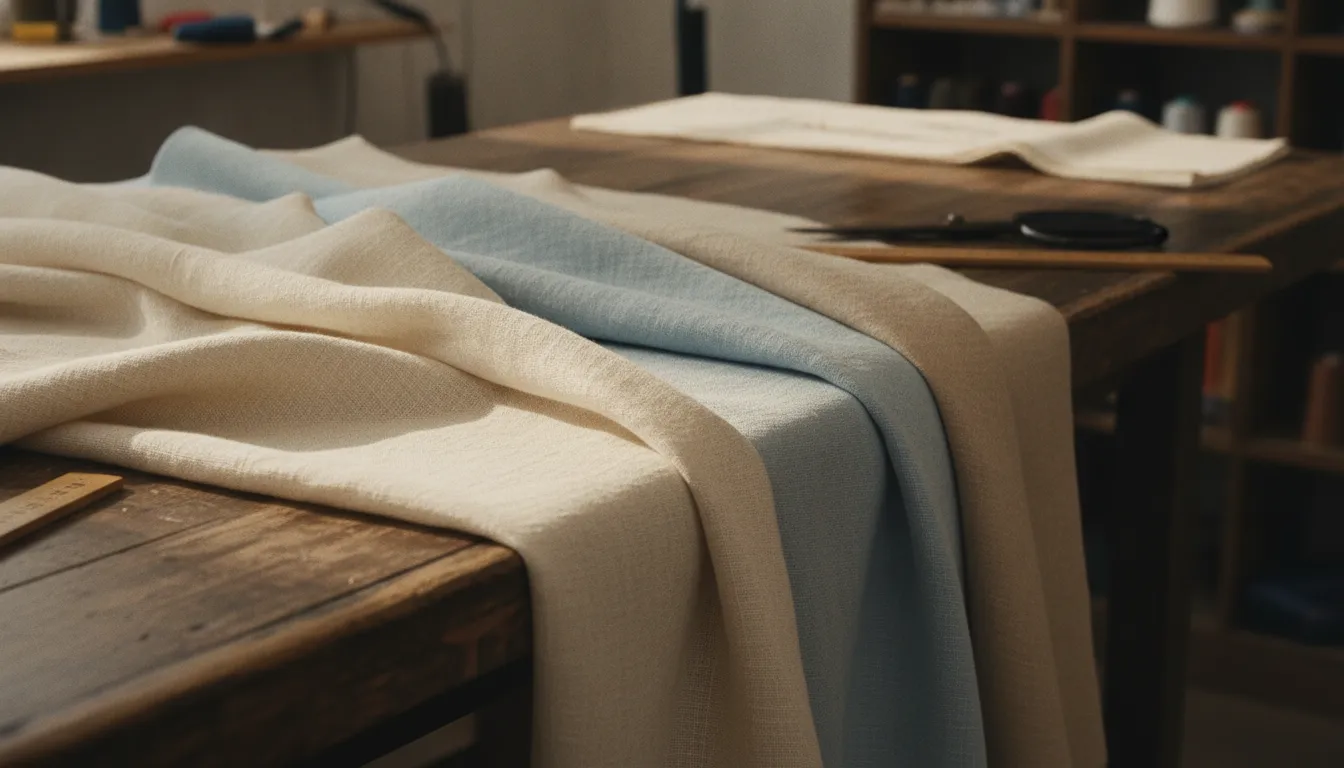
That performance comes with a visible tradeoff. Linen’s natural stiffness helps it avoid clinging to the body and can support air circulation, but the same quality contributes to its tendency to wrinkle. Those relaxed creases can be part of linen’s character at an outdoor wedding, resort dinner, or informal summer gathering. If you need a more controlled appearance for meetings or frequent travel, consider how much texture and wrinkling you are comfortable carrying through the day.
Compare linen and cotton by how you will wear them
Cotton offers softness, breathability, and a smoother look. It may feel especially comfortable in less humid conditions or during shorter periods of heat. However, cotton tends to retain moisture longer than linen, so it can feel clammy in more extreme humidity. In practical terms, linen may suit a long outdoor event, while cotton can be appealing when you want a softer drape and a neater visual finish. Neither choice is universally better. Your climate, schedule, dress code, and tolerance for wrinkles should guide the decision.
Look beyond fabric weight
A lightweight label does not tell the whole story. Weave density also affects how a cloth handles air and moisture, so two fabrics with similar weights may feel different on the body. Textile research describes moisture transport as both water-vapor transport and liquid-moisture transport. It also explains that clothing influences heat flow, moisture, and air exchange between the body and its environment: peer-reviewed textile research. Ask to handle the cloth, hold it toward light, and notice whether the weave feels open without appearing flimsy.
For a more complete framework, use this guide to choosing the right suit fabric. A thoughtful fabric choice balances breathability, drape, wrinkle tolerance, and the level of polish your summer calendar demands.
What Makes a Summer Suit Fit Cooler and Look Sharper?
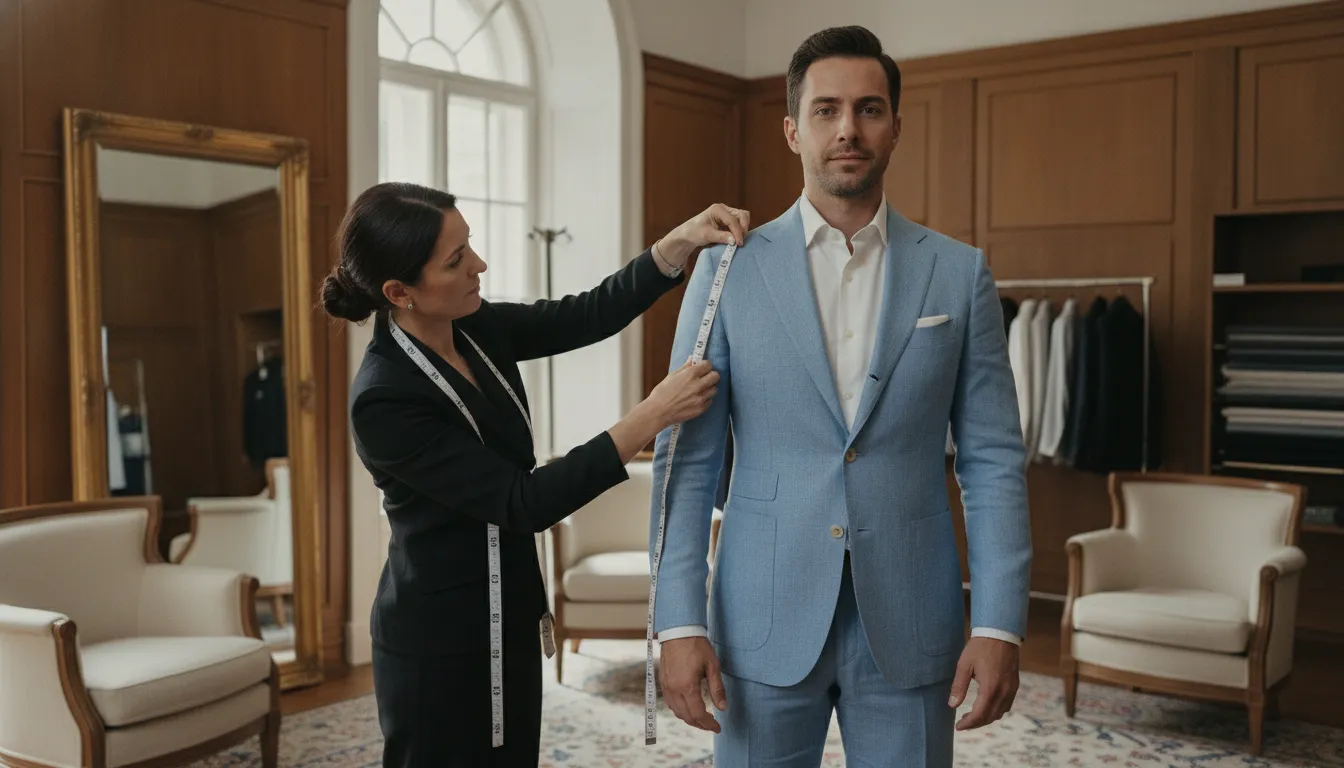
A summer suit should give you room to move without losing its shape. That balance begins with the shoulder. The seam should sit cleanly at the edge of your natural shoulder. While the jacket should follow your frame rather than pull across the chest or collapse at the sleeve head. A shoulder that is too broad can make the coat look oversized and trap unnecessary fabric. One that is too narrow creates tension, wrinkles, and restricted movement.
The back deserves equal attention. A good fitting considers the curve of your back, the angle of your shoulders, and the way you stand. Trevor Furbay’s custom process accounts for shoulder angle, back arch, and overall proportions to create a precise fit with a natural fall. That matters in warm weather because clothing affects heat flow, moisture, and air exchange between the body and its surroundings, not just appearance. Learn more in this suit fit and fabric guide.
Look for movement, not looseness
Try the jacket in the movements you will actually make. Reach forward, sit down, button the jacket, and let your arms rest naturally. The cloth should accommodate those actions without sharp horizontal pulling across the back or a collar that lifts away from your neck. At the same time, excess room can undermine the cooling effect. A jacket that hangs too far from the body may lose its clean line and create an untidy silhouette rather than useful airflow.
Pay attention to the jacket’s natural fall when you are standing still. The lapels should lie flat, the front should close without strain, and the hem should hang evenly. Small wrinkles can reveal where the garment is negotiating with your posture. They are useful information for a fitter, not a reason to size up automatically.
Balance the jacket and trousers
Proportion continues below the waist. Trousers should sit securely at the natural waist or at the level designed for the jacket, with enough room through the seat and thigh for a comfortable stride. A trouser leg that is excessively narrow can feel restrictive and make the jacket appear too long. Excess fabric, however, can interrupt the clean line of the outfit. The jacket length, rise, leg opening, and break should work together so the suit looks intentional from every angle.
The best result is not the loosest summer suit. It is a garment shaped to your body, lifestyle, and movement, with construction that allows the cloth to breathe and fall naturally. A consultation can connect those fit decisions to the occasions you have planned, from warm-weather workdays to weddings and travel.
Which Colors and Patterns Work Best in Summer?
Color does more than set the mood of a summer suit. It helps determine how easily the jacket moves between a weekday meeting, a wedding, a weekend trip, and an evening gathering. The strongest choices are versatile enough to support the occasion while still giving the outfit a distinct point of view.
| Color or pattern | Best for | Styling direction |
|---|---|---|
| Navy | Work, weddings, travel, and evening occasions | Pair with a white or pale blue shirt for a dependable foundation. Change the character with a textured knit, patterned tie, or refined leather accessories. |
| Mid or light blue | Daytime weddings, resort settings, and social occasions | Keep the rest of the outfit quiet with white, cream, or soft gray. A darker brown shoe can add definition without making the look feel heavy. |
| Tan or stone | Travel, outdoor celebrations, and relaxed business settings | Use an open-collar shirt or a fine knit for a less formal direction. Dark brown, tobacco, and suede accessories complement the warmth of the cloth. |
| Gray | Professional wardrobes and understated formal events | Choose a pale shirt and a restrained tie for the office. For a wedding or dinner, introduce texture through the shirt, pocket square, or footwear. |
| Subtle checks, stripes, or windowpanes | Social occasions and wardrobes that need more personality | Let the pattern lead. Keep shirts and accessories simple, and select a scale that feels appropriate for the setting rather than overly seasonal. |
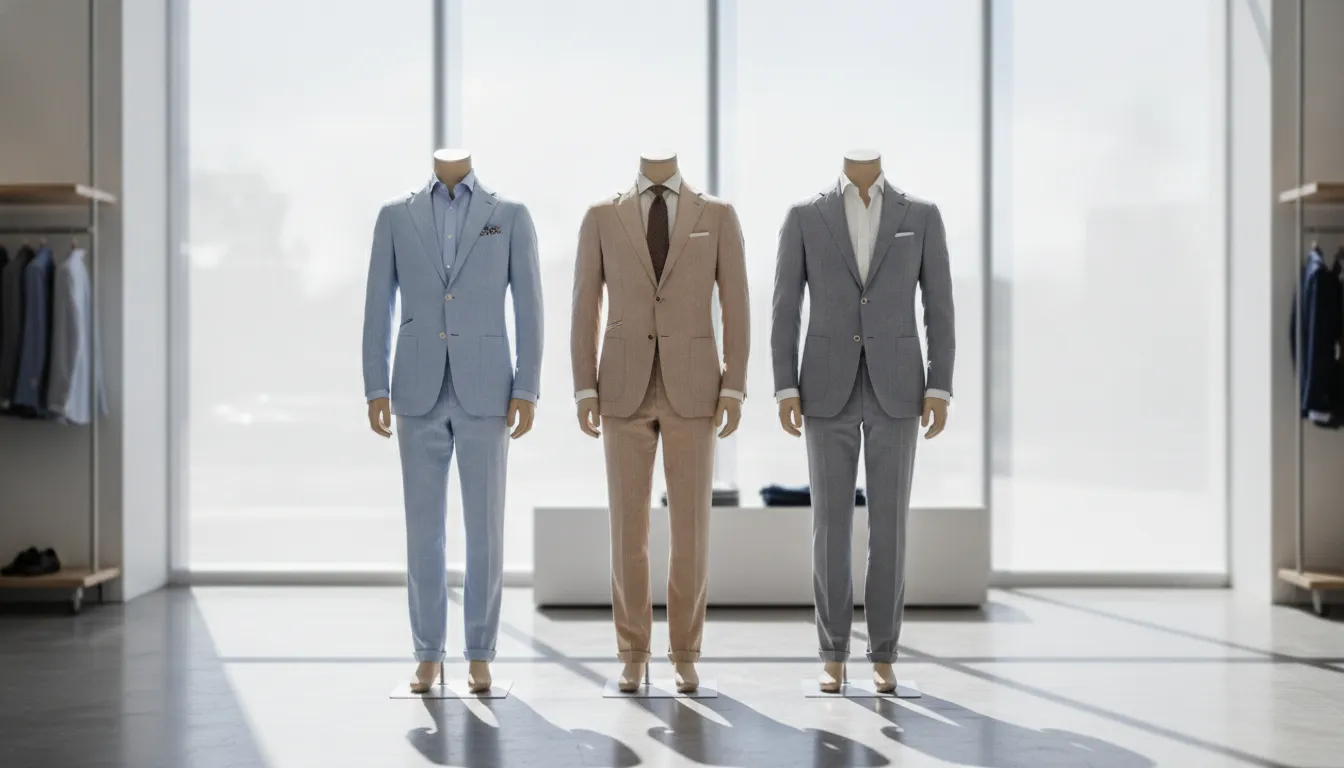
Navy remains the most adaptable starting point, particularly for professionals who want one suit to cover multiple settings. Blue can feel lighter and more relaxed in daylight, while tan and stone naturally suit travel, outdoor celebrations, and less formal environments. Gray brings a quieter, more tailored impression when the setting calls for restraint.
Patterns should support the way you expect to wear the suit. A fine stripe or small check can add visual interest without limiting the jacket’s usefulness. Larger or higher-contrast patterns make a stronger statement and may be better suited to social occasions than a conservative office. Trevor Furbay’s wardrobe range extends from casual ensembles to 9-5 power suits and black-tie dressing. So color and pattern can be considered alongside the event’s formality, rather than in isolation. Customers dressing for warm-weather work, weddings, travel, and social occasions can use that distinction to build a summer wardrobe that feels polished and personal.
How Should You Wear a Summer Suit to Work or a Wedding?
The right summer suit depends less on a rigid rulebook than on the setting, the expected formality, and the role you will play in the room. A polished work wardrobe may call for restrained color and a versatile shirt. While a wedding outfit should respect the venue and coordinate with the celebration without competing with the couple. Use the following sequence to make the decision with confidence.
-
Start with the setting and dress code
For work, consider the expectations of your office, client meetings, and travel schedule. A refined navy, medium blue, or soft gray suit can move between meetings with a change of shirt and accessories. Keep the overall impression composed, especially when the day includes presentations or formal appointments. For a wedding, begin with the venue, time of day, and stated dress code. An outdoor ceremony, a garden reception, and an evening ballroom event may all call for different levels of structure, color, and formality. The goal is to look intentional rather than simply cool.
-
Choose the level of polish for your role
A guest generally has room to express personal style through a seasonal color, a subtle pattern, or a distinctive shirt and pocket square. Keep the choices coordinated and avoid anything that could distract from the wedding party. If you are the groom, your suit should establish the visual direction for the group while allowing the wedding party to coordinate naturally. A thoughtful wedding attire consultation can account for the venue, formality, colors, and coordinated looks across the day.
-
Balance comfort with a finished appearance
Warm weather does not require an overly relaxed outfit. Let the fabric, fit, and styling do the work. Wear a breathable shirt, choose shoes suited to the venue, and make sure the jacket and trousers allow comfortable movement without looking loose or unstructured. For work, a tie can add authority when needed; for a less formal setting, a crisp open-collar shirt may be appropriate. For a wedding, match the accessories to the formality rather than defaulting to the most casual option.
-
Plan wedding attire before the final rush
Grooms and wedding parties should schedule their first consultation 4 to 5 months before the wedding. That window leaves time to discuss the venue and colors, select fabrics and accessories, coordinate the group, complete measurements, and address fitting details. Bring the invitation or any available dress-code guidance so the conversation starts with the right context. For additional ideas on dressing comfortably and appropriately in the region, explore this Cincinnati summer style guide.
When the occasion is clear, summer dressing becomes a series of useful choices rather than a compromise between comfort and polish. A considered suit can serve the demands of the day while still feeling distinctly yours.
When Is Custom Tailoring Worth It for a Summer Suit?
Custom tailoring becomes especially valuable when an off-the-rack jacket fits one part of your body but fails somewhere else. A collar that pulls, shoulders that extend beyond your natural line, excess fabric across the back. Or trousers that break awkwardly can make a lightweight summer suit feel less comfortable and look less polished. These problems are often matters of proportion rather than size, which is why simply choosing a larger or smaller ready-to-wear suit may not solve them.
It is also worth considering custom when you have a specific wardrobe purpose. A suit for a warm-weather office, a destination wedding, frequent travel, or a series of summer events may need a different balance of structure, ease, color, and versatility. A consultation can connect those decisions to your lifestyle and wardrobe goals, rather than treating the fabric or silhouette as an isolated choice. Trevor Furbay consultations cover fit, fabric, fashion direction, lifestyle, and wardrobe goals, giving you a practical framework for choosing among custom suit options.
What can be personalized beyond the fit?
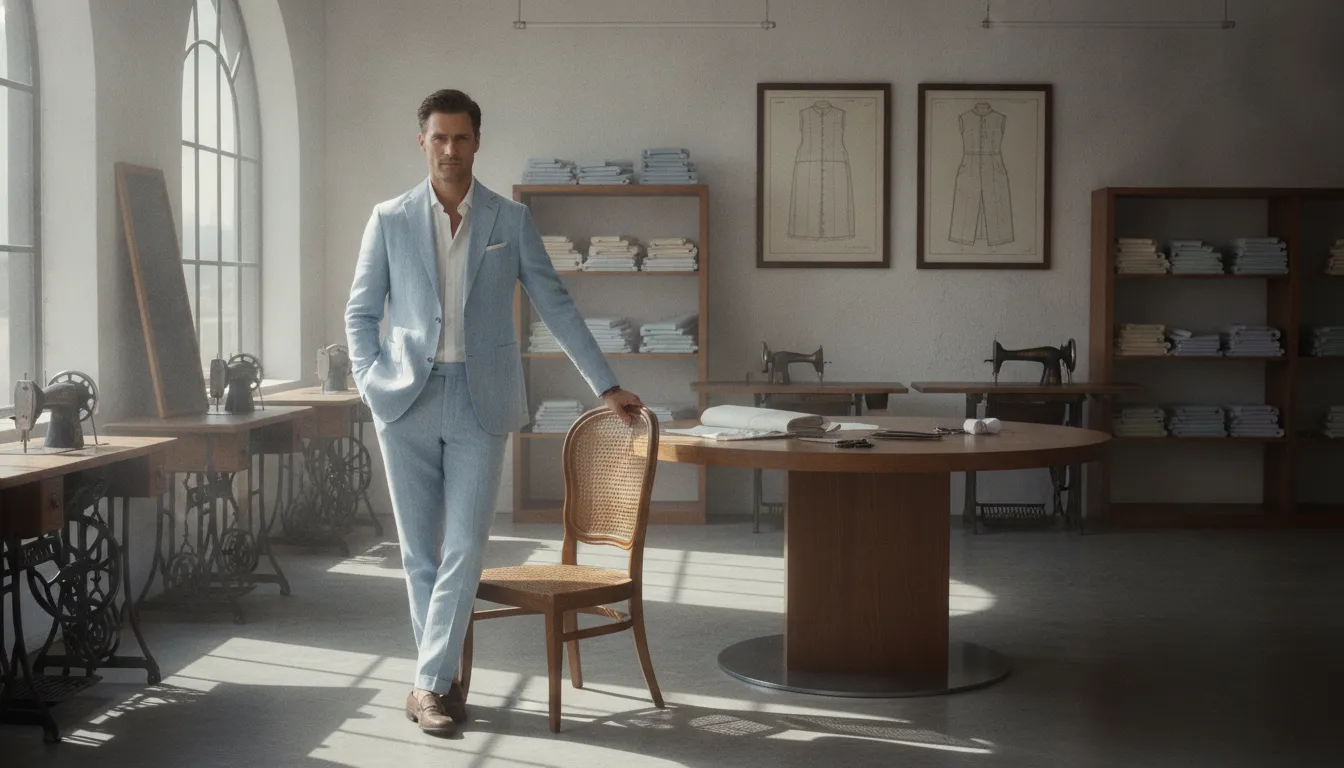
Custom work lets you select a cloth suited to the way you will wear the suit, then refine details that make it feel distinctly yours. Depending on the garment, choices may include the fabric, lining, buttons, and monogramming. The goal is not to add detail for its own sake. It is to create a summer suit that supports the right level of formality, moves naturally, and works with the shirts, shoes, and separates already in your wardrobe.
The fitting itself considers shoulder angle, back arch, and overall proportions so the jacket and trousers achieve a natural fall. That attention matters in warm weather, when a jacket that is too tight or poorly balanced can feel restrictive and encourage constant adjustment. Trevor Furbay combines traditional craftsmanship with personalized styling and more than 25 years of fashion-industry experience. Making the process useful for both experienced suit wearers and customers who want clear guidance.
How long does the custom process take?
Custom-made items are generally delivered within three to five weeks, followed by a final fitting. Build in additional time if the suit is for a wedding or an important event. Trevor Furbay recommends beginning wedding consultations four to five months before the wedding so there is room for planning, production, fitting, and any needed refinement.
The experience is available through the Cincinnati flagship, Columbus/Dublin by appointment, and Harbor Springs seasonally. Each location is designed as a relaxed consultation setting with hospitality touches, including beverages, coffee, and fresh-baked cookies. That atmosphere gives you space to discuss the intended use, compare possibilities, and make confident decisions without rushing.
How Do You Care for a Summer Suit Between Wearings?
Good summer tailoring benefits from a little breathing room between occasions. After wearing a linen or cotton suit, remove it promptly, empty the pockets. And let the jacket and trousers air in a clean, shaded space before returning them to the closet. This gives moisture and everyday odors time to dissipate without exposing the cloth to unnecessary heat or direct sunlight.
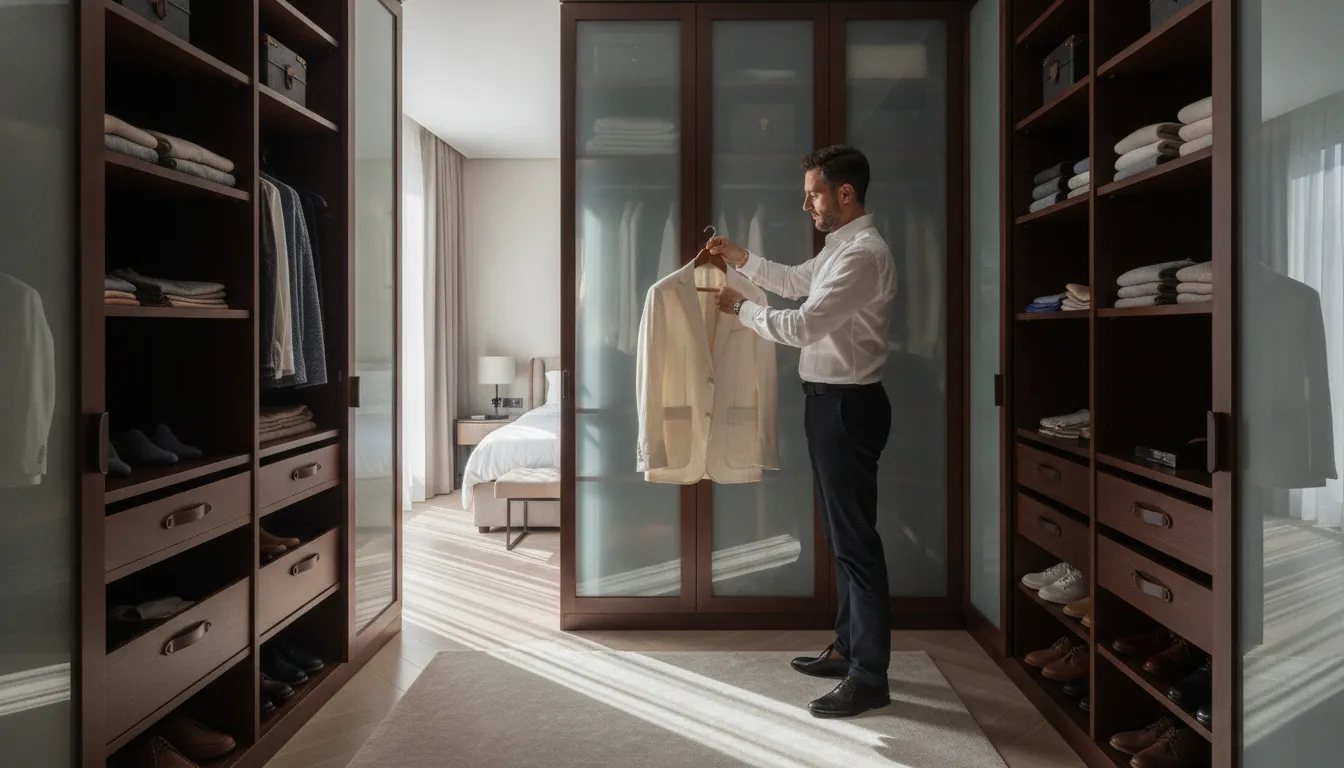
Give the Cloth Room to Recover
Use a broad, shaped hanger that supports the jacket’s shoulders rather than a thin wire hanger that can distort them. Fasten the top button, smooth the lapels and trouser creases by hand, and leave enough space around the garment for air to circulate. Store the suit in a breathable garment bag when it will not be worn for a while. Avoid compressing it tightly among other clothes, especially after a warm commute or outdoor event.
Linen’s natural stiffness helps it feel cool, but that same quality makes wrinkles part of its character. Cotton can provide a softer drape and smoother appearance, although it may retain moisture longer than linen. These differences are useful when deciding how much relaxed texture you want from a summer wardrobe. For the supporting fabric guidance, see this Georgia Tech overview of summer fabrics.
Use Professional Care for Pressing, Cleaning, and Repairs
When a suit needs more than light airing, use a reputable professional cleaner familiar with tailored clothing. Professional pressing can restore a clean appearance without flattening the garment’s structure, while professional cleaning addresses perspiration, spills, and accumulated soil according to the cloth and construction. Follow the care label and ask questions before treatment, particularly for linen blends, delicate linings, or unusual finishes.
If the jacket pulls, the trousers twist, a hem has loosened, or a seam needs attention, bring the garment to a professional tailor. Do not attempt stitching, hemming, seam repair, or fabric fixes at home. A trained tailor can assess whether the issue is a simple adjustment or requires a broader fit review. Then protect the suit’s balance and natural fall while restoring it for future wear.
Frequently Asked Questions
What fabrics work best for a summer suit?
Linen is a strong choice for hot, humid conditions because its fiber structure can absorb moisture and move it away from the body. It also tends to resist clinging, which can support air circulation. Cotton offers a softer drape and smoother appearance, although it may retain moisture longer than linen. Your ideal choice depends on the climate, occasion, and the level of structure you prefer. Georgia Tech textile guidance explains these tradeoffs.
Should a summer suit fit differently from a year-round suit?
A summer suit should not be oversized simply to feel cooler. It should allow comfortable movement while maintaining a clean shoulder line, balanced jacket and trouser proportions, and a natural fall. Because clothing affects heat, moisture, and air exchange, fabric and construction matter alongside fit. A professional fitting can account for your shoulder angle, back arch, and overall proportions.
Can I wear a summer suit to a wedding?
Yes. Choose the fabric, color, and level of structure according to the venue, dress code, time of day, and your role in the wedding. A tailored suit in a breathable cloth can look polished without feeling overly formal for a warm-weather celebration. Wedding consultations are best scheduled four to five months before the event so there is time to coordinate the look, fittings, and final details.
When should I order a custom summer suit?
Begin when you know the occasion and have enough time for consultation, fabric selection, construction, and fitting. Trevor Furbay custom-made items are generally delivered within three to five weeks, followed by a final fitting, although timing can vary with the garment and customization. Pricing is consultation-based and depends on the fabric and choices selected.
Book Your Summer Suit Consultation
The right summer suit balances breathable materials, polished proportions, and the demands of your calendar. A relaxed consultation can help you connect those choices to work, weddings, or other warm-weather occasions. Book Your Style Consultation to discuss a summer suit, custom tailoring, or wedding attire with the Trevor Furbay team.