
A traveling tailor in Ohio can sound like the simplest way to get personal help with clothing: meet where it is convenient, discuss what you need, and make a plan for fit and style. But mobile service is not automatically the right answer for every wardrobe question. The best choice depends on what you want to accomplish, what needs to be evaluated in person, and what appointment options are actually available. This guide explains the traveling-tailor concept, how to prepare, and when a store consultation may serve you better.
What Does a Traveling Tailor in Ohio Do?
A traveling tailor is a clothing professional who meets a client away from a traditional shop or studio. Depending on the service and the purpose of the appointment, a visit may involve discussing wardrobe needs, reviewing garments, taking measurements, or planning a custom piece. The word “traveling” describes where the interaction happens. It does not, by itself, tell you which services are offered, where a provider travels, or what an appointment costs.
Those details matter. A mobile meeting for an initial style conversation is different from a complete fitting appointment. A tailor may need particular garments, equipment, samples, or a suitable space to assess a fit properly. Before you plan around a visit, confirm what can be handled during that appointment and whether your request is a good fit for the service. You can read about the traveling-tailor concept and ask directly about the scope of a particular appointment.
For clients considering custom clothing, a traveling appointment should still feel like a thoughtful process rather than a quick measurement stop. Good tailoring begins with listening: what the garment is for, how you expect to wear it, and what you like or dislike about the fit of clothes you already own. Those answers help guide the next step, whether that is a custom project, a fitting, or an in-store conversation.
Who Might Benefit From a Mobile Style Appointment?
A mobile appointment may appeal to someone who values personal guidance but has a packed workday, prefers to talk through wardrobe needs at home, or wants help coordinating clothing for a specific event. It can also be useful to start a conversation about what you own and what is missing. The key is to match the meeting format to the decision you need to make.
- Busy professionals may appreciate the chance to discuss workwear priorities and fit concerns in a setting that suits their schedule, subject to the provider’s confirmed availability.
- Wedding customers may want to talk through the event, timing, dress code, and the roles of the people in the wedding party before selecting attire. Custom wedding planning is best started four to five months before the wedding.
- Clients building a custom wardrobe may want an expert’s perspective on how a suit, jacket, trousers, or shirt should work with their existing pieces.
- People with a specific garment question may find it helpful to show the item and explain what feels uncomfortable or looks different than expected, after confirming that the appointment can address it.
A mobile meeting is not a substitute for asking what the service includes. If you need a garment measured, altered, fitted, or ordered, verify the process before assuming that every step can happen at your chosen location. For custom clothing, learn more about the custom styling and tailoring process and the options for custom suits.

How Should You Prepare for a Traveling-Tailor Appointment?
A little preparation helps turn an appointment into a useful conversation. You do not need a perfect wardrobe plan. Bring clear priorities and a few examples so the tailor can understand what you wear, what you need, and what has not been working.
1. Decide what you want to solve
Write down the main purpose of the meeting. Are you planning a suit for work, preparing for a wedding, refreshing a few everyday outfits, or trying to understand why a jacket does not feel right? Choose one primary goal and, if useful, one secondary goal. This keeps the conversation focused and makes it easier to determine whether the requested service can be handled in a mobile setting.
2. Gather useful examples
If the discussion involves fit, have the garments you want reviewed available and clean. A jacket that fits well can be useful as a reference, as can a garment that feels too tight or too loose. For a new custom piece, bring clothing you expect to wear with it, such as trousers, shoes, or a shirt. The goal is to give context, not to assume that a reference garment will be copied exactly.
3. Share the occasion and practical details
Tell the tailor where and when you plan to wear the clothing. For work, explain your usual dress expectations and how formal your day tends to be. For a wedding, share the date, venue, dress code, and any known direction for the wedding party. Also mention deadlines, travel plans, or other constraints early. These details can influence recommendations and whether the timing is realistic.
4. Prepare questions about fit and process
Ask what the appointment covers, what you should have ready, and what happens after the conversation. If measurements, fabric selection, a fitting, or follow-up visits are part of your goal, clarify how those steps work. For a custom garment, ask how choices such as fabric, silhouette, and details affect the result. Pricing for custom tailoring is consultation-based and depends on fabric and customization, so do not assume a fixed price before discussing the project.
5. Confirm the appointment logistics
Before you set aside time, confirm the appointment location, timing, and scope directly with the provider. Do not assume a particular travel radius, fee, or date availability unless it has been confirmed. If several people need to attend, or if you want to discuss more than one garment, mention that when arranging the meeting so the appointment can be planned appropriately.
When Is an In-Store Consultation the Better Fit?
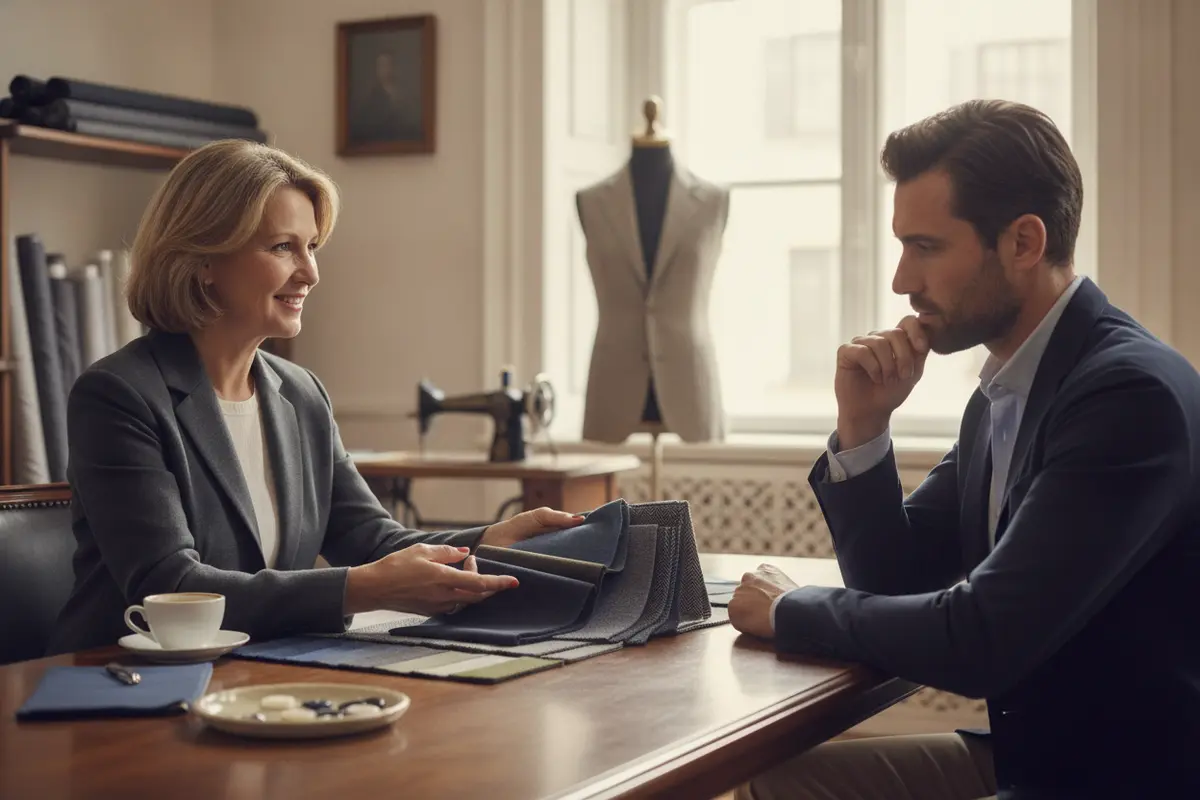
Some wardrobe decisions benefit from seeing a range of fabrics, styles, and accessories together. A store consultation gives you the chance to compare options in person and discuss how a complete outfit will come together. It can also be a practical setting when a project needs specialized resources or when you are not yet sure what kind of garment best meets your needs.
Consider an in-store appointment when you want to:
- Compare fabric and styling options before committing to a custom garment.
- Explore several wardrobe needs with a stylist and see how pieces coordinate.
- Discuss a wedding look with enough time to plan selection, measurements, fittings, and delivery.
- Try on available clothing or evaluate a range of silhouettes in person.
- Get clarity on what service path makes sense before deciding on a specific piece.
Trevor Furbay Bespoke offers personal, hands-on styling and custom-tailoring consultations in a hospitality-focused retail environment. A store visit may be preferable when trying options and reviewing materials together is central to your decision. Explore appointment options, or review custom jacket and sport coat options alongside custom trouser options before your conversation.
| Consideration | Traveling-tailor appointment | In-store consultation |
|---|---|---|
| Best starting point | A focused discussion about your needs, wardrobe, or a specific garment, if the provider confirms it can be handled on site. | Comparing options and discussing a project with materials and styles available to review in person. |
| What to prepare | Your goals, relevant garments, event details, and questions about what the visit includes. | Your goals, reference garments if useful, and a list of pieces or choices you want to explore. |
| What to confirm | Location, availability, scope, logistics, and whether any requested fitting or service can happen there. | Appointment timing, the location, and whether the services you want are covered in the consultation. |
| Potential advantage | A meeting in a setting that may be more convenient for your needs. | Direct access to a broader in-person review of fit, fabrics, styles, and outfit possibilities. |
How Does the Right Appointment Change by Wardrobe Goal?
The right format is not just about convenience. It should support the decision in front of you. A short conversation about an existing wardrobe may have different needs from planning a custom suit or coordinating wedding attire. Use your goal to decide what to ask when you contact a clothier.
For a work wardrobe
Start with the situations you dress for most often. A client-facing role, a formal office, and a flexible work environment call for different choices. Explain what you already wear and where you feel underprepared. A stylist can then help identify whether the next step is a custom garment, a ready-to-wear piece, or broader wardrobe planning. Explore tailored casual clothing alongside more formal options if your week calls for both.
For a wedding
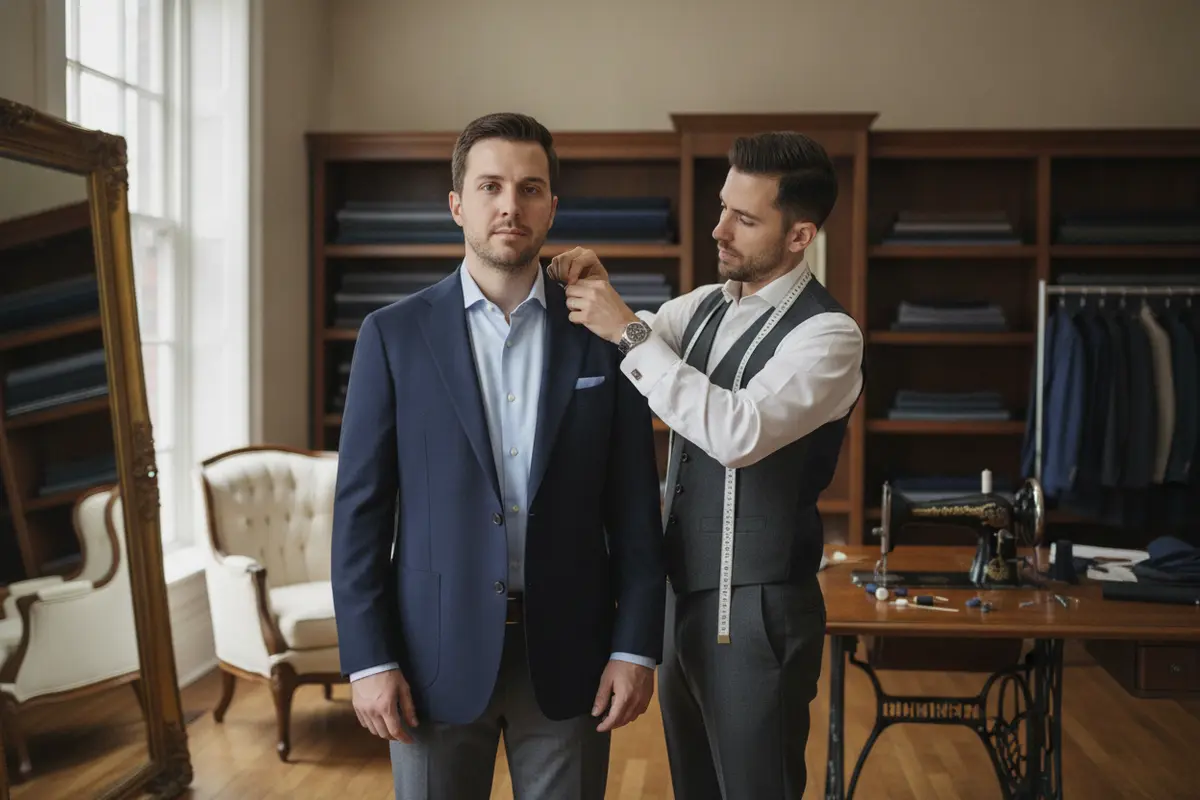
Give yourself time. Begin four to five months before the wedding, especially if you are coordinating attire with other people or have a firm event date. The process should allow time for discovery and planning, styling and selection, measurements and fitting, and a final fitting and delivery. Discuss the venue, season, dress code, wedding-party roles, and the look you want in photographs. A consultation is a useful way to establish the plan before you make choices. Learn more about custom wedding tuxedos and wedding attire planning.
For an existing garment
Describe what you notice and when you notice it. Is movement restricted? Does the garment feel uncomfortable while seated? Is the proportion different from what you expected? Bring the item and explain its intended use. Do not try to diagnose a construction or alteration issue from appearance alone. Ask whether a mobile appointment can assess the concern or whether an in-store visit is more appropriate.
How Can You Make the Appointment Useful?
Once you have settled on the format, make the meeting easy to navigate. A short, well-chosen agenda is more helpful than arriving with a long list of disconnected questions. Think about the one decision you hope to make by the end: identifying a clothing need, understanding a fit concern, or deciding what the next step should be. It is fine if the next step is simply a more focused consultation.
Explain how you actually wear the garment
Describe an ordinary day, not only the occasion pictured in a style reference. If you are discussing a work suit, mention whether you commute, sit for long periods, travel, or move between formal and relaxed settings. If you are planning an event look, explain whether you will wear the outfit for a ceremony, a reception, or both. This practical context helps a stylist consider comfort and use alongside appearance. A photograph can communicate an overall direction, but it should start a conversation rather than act as a complete specification.
Separate preferences from must-haves
Make a brief list of what matters most. You might prioritize comfort, a particular level of formality, a color that works with existing clothing, or a silhouette you feel confident wearing. Mark which details are essential and which are open to discussion. This gives the clothier room to recommend options you may not have considered while keeping the conversation aligned with your taste. If you are unsure, say so; exploring alternatives is part of making an informed choice.
Leave room for a next step
Do not expect every decision to be final at an initial meeting. A custom project can involve choices, measurements, and later fittings, and the exact sequence depends on what you are planning. Before wrapping up, repeat the next action in your own words: whether you need to book another appointment, bring a garment, consider fabric options, or confirm timing. That simple recap helps you leave with a useful plan instead of a collection of details to remember later.
How Can You Decide Between a Visit and a Store Appointment?
Use the decision itself as your guide. If you mainly need to explain your wardrobe, discuss an upcoming event, or show one garment, ask whether a focused meeting away from the store can address that goal. If you need to compare fabrics, explore several silhouettes, or coordinate multiple pieces, a store environment may be more useful because you can review options together. Neither format is automatically more personal or more thorough; the appointment is only effective when its setting and scope fit the work.
For example, someone who wants to plan a work wardrobe could begin by listing the situations they dress for and bringing one or two garments that illustrate the current challenge. The provider can confirm whether that conversation suits a mobile visit or should happen in the store. A groom coordinating attire with a wedding party has different needs: the date, party size, venue, and desired level of coordination affect the timeline and the number of decisions. Starting four to five months ahead creates more room for planning and fittings. In either case, confirm the format before counting on particular services.
Think through these practical factors before choosing:
- Materials and options: Will you need to handle fabric samples or compare clothing in person? Ask what is available during each type of meeting.
- Number of participants: Will a partner, family member, or wedding party member need to join? Confirm whether the proposed appointment can accommodate everyone.
- Garments involved: Are you discussing one item or a coordinated wardrobe? Share this in advance so the provider can advise on time and preparation.
- Next steps: Could the conversation lead to measurements, selection, or a later fitting? Understand which parts can happen at the initial appointment and which require a separate visit.
This short check helps set expectations without presuming what any provider offers. If the answer is unclear, ask for a recommendation based on your goal rather than booking solely for convenience.
What Should You Ask Before Booking?
Clarity before the appointment helps avoid mismatched expectations. Keep the questions straightforward and specific to your need:
- What can we cover during this appointment?
- Can you assess the particular garment or project I have in mind?
- Should I bring specific clothing, shoes, or event information?
- Will measurements, fabric selection, fitting, or follow-up be part of this visit, or are those separate steps?
- Where can the appointment take place, and what availability is currently offered?
- How is the cost of a custom project determined?
A clear answer to these questions helps you choose confidently without assuming that mobile and in-store appointments offer identical services. To start a conversation with Trevor Furbay Bespoke, use the appointment request page. You can also review the clothier and styling team to understand the hands-on approach behind a consultation.
Frequently Asked Questions
Does a traveling tailor come to any location in Ohio?
Do not assume statewide coverage. The service details provided here do not establish a travel radius or availability for a particular location. Ask the provider to confirm whether your requested location can be accommodated before planning the appointment.
Can a traveling tailor take measurements and complete a fitting during one visit?
That depends on the provider, the garment, and the purpose of the visit. Confirm what the appointment includes and whether a separate fitting or follow-up will be needed. A conversation about fit does not necessarily mean that a garment can be completed or adjusted during that visit.
How much does a custom suit cost?
Custom-tailoring pricing is consultation-based and depends on fabric and customization. Discuss your priorities and the choices you are considering with the clothier to understand the project. There is no single price that applies to every custom suit.
Should I choose a mobile appointment or visit a store?
Choose based on what you need to do. A mobile conversation may suit a focused discussion if the provider confirms the location and scope. An in-store consultation is often a better fit when you want to compare fabrics, try on options, or review a complete look with a stylist.
When should I start planning custom wedding attire?
Begin four to five months before the wedding. That gives you room to discuss the event, select a style, complete measurements and fittings, and confirm the final look and delivery before the date.
The most useful appointment is the one that matches your goal, gives you clear next steps, and leaves enough time to make considered choices.