
Choosing what color suit to wear to a wedding is easier when you start with the invitation, not the season’s trend report. The dress code, setting, time of day, and your role in the celebration all matter. A groom can make a more personal statement; a guest should complement the occasion without competing with the couple. Use this guide to narrow the choices and feel confident about the final look.
What should you consider before choosing a wedding suit color?
Before you settle on a shade, check the invitation for the dress code and ask the couple or wedding party if anything is unclear. Look for the venue, ceremony time, and wedding-party colors, too. These details help you decide how formal, light, or distinctive your suit should feel.
Your role changes the decision. The groom and wedding party may coordinate with the overall palette, while guests generally have more freedom. If you are a guest, avoid assuming that a requested color is optional. Follow any stated dress code, and avoid a color that could be mistaken for a deliberate attempt to dress like the couple or wedding party. White, ivory, or a very pale look may be reserved for the person getting married; when uncertain, ask.
Think about the whole outfit rather than the suit alone. Shirt, tie, shoes, belt, and pocket square can warm up or tone down a color. A subdued suit can still look festive with a patterned tie, while a bright suit may need restrained accessories. If you are deciding between two close shades, choose the one that works with clothes you already own and that you will want to wear again.
Which suit colors work for different wedding dress codes?
The dress code is the best starting point because it sets the formality before color comes into play. The guide below offers a practical direction, not a substitute for a specific instruction from the couple. A wedding invitation can use terms differently, so check with the hosts if the wording is unfamiliar.
| Dress code or setting | Color direction | How to make it work |
|---|---|---|
| Black tie | Black or midnight formalwear | Choose a tuxedo when the invitation calls for black tie; do not treat a colorful business suit as an equivalent. |
| Formal or black-tie optional | Dark navy, charcoal, or black | Keep the silhouette polished and accessories restrained. A tuxedo may suit the occasion, depending on the invitation. |
| Cocktail or semi-formal | Navy, charcoal, medium blue, or muted earth tones | Balance the time and venue. Tailoring and clean finishing keep a less formal color occasion-appropriate. |
| Garden or daytime | Medium blue, lighter navy, taupe, or olive | Use a lighter palette when the setting and invitation support it; keep the fabric and fit sharp. |
| Beach or destination | Light blue, tan, or soft neutral shades | Consider heat, wind, and the venue. A breathable-feeling, unstructured look may suit a relaxed event. |
The table’s first row is intentionally specific: black tie means formal eveningwear, typically a tuxedo, rather than simply any black suit. For additional guidance on the distinction, see this wedding tuxedo style guide. If the dress code is formal but does not explicitly call for black tie, a dark, well-fitted suit is a dependable choice.
For cocktail or semi-formal celebrations, a suit gives you room to show personality without ignoring the occasion. Navy, charcoal, and blue are reliable; muted green or brown can also work where the venue, season, and invitation feel less traditional. Our guide to semi-formal wedding attire can help you interpret that dress code. Guests looking for more outfit-specific advice can also read what to wear as a wedding guest.
How do the main wedding suit colors compare?
Navy: Choose navy when you want a versatile shade that works across many venues and dress codes. Deep navy reads more formal, while a brighter blue can feel more relaxed. It pairs naturally with white, pale blue, or patterned shirts and leaves room for accessories that reflect the wedding palette.
Charcoal: Charcoal is a useful choice for formal, evening, or cooler-season celebrations. It offers a more understated alternative to black and can be worn for business or other formal occasions afterward. A pale shirt and a restrained tie keep the result classic rather than severe.
Medium or light blue: Blue in a lighter tone can feel fresh for a daytime, garden, or less formal wedding. Check the invitation before choosing a very pale shade, and consider a darker blue if the event moves into an evening reception. If the wedding party is also wearing blue, pick a shade or accessories that make your role clear.
Olive, brown, or tan: Earth tones can suit outdoor, rustic, and warm-weather settings, especially when the dress code is not highly formal. They are more distinctive than navy or charcoal, so keep the shirt and accessories quiet. Tan and other pale neutrals deserve an extra check with the couple if the wedding palette includes ivory or cream.
Black: Black is most at home in formal evening settings, but it is not a universal wedding default. If the dress code says black tie, follow formalwear guidance and choose a tuxedo. If it simply calls for a dark suit, navy or charcoal may feel less stark in daylight.
How does the season influence your color choice?
Season can guide the mood of an outfit, but it should not act as a strict color rule. A wedding’s location, dress code, and indoor or outdoor plans matter just as much. Use seasonal shades as a way to refine your choices after you know what the event calls for.
Spring
Spring often suits medium blue, lighter navy, soft gray, and restrained green. These shades feel fresh without requiring a pastel suit. If you want a light accent, bring it in through a tie, pocket square, or shirt detail rather than making every part of the outfit pale. For a groom, a coordinated accessory can connect your suit to the wedding palette while keeping the overall look wearable later.
Summer
Summer weddings can make lighter colors feel natural, especially for daytime or outdoor celebrations. Consider light or medium blue, tan, and pale gray if they fit the invitation. At an evening or formal wedding, however, a dark suit may be more appropriate even in warm weather. Prioritize comfort by asking about the fabric and construction during selection; color alone cannot make a heavy garment feel comfortable on a hot day.
Fall
Autumn often pairs well with navy, charcoal, olive, brown, and deeper blue. Rust, burgundy, or gold can appear in accessories, but they need not dominate the suit. Consider the venue’s colors and the wedding-party palette before choosing a strong accent. Deep tones can create a rich look without feeling costume-like when the shirt and accessories remain balanced.
Winter
For a winter wedding, navy, charcoal, and black are natural options for a formal setting. Deep green or burgundy accents can add seasonal character. A daytime celebration may still call for medium blue or gray, so let the dress code and schedule take precedence over a simple “winter means dark” rule.
How do you choose one color for the full wedding day?
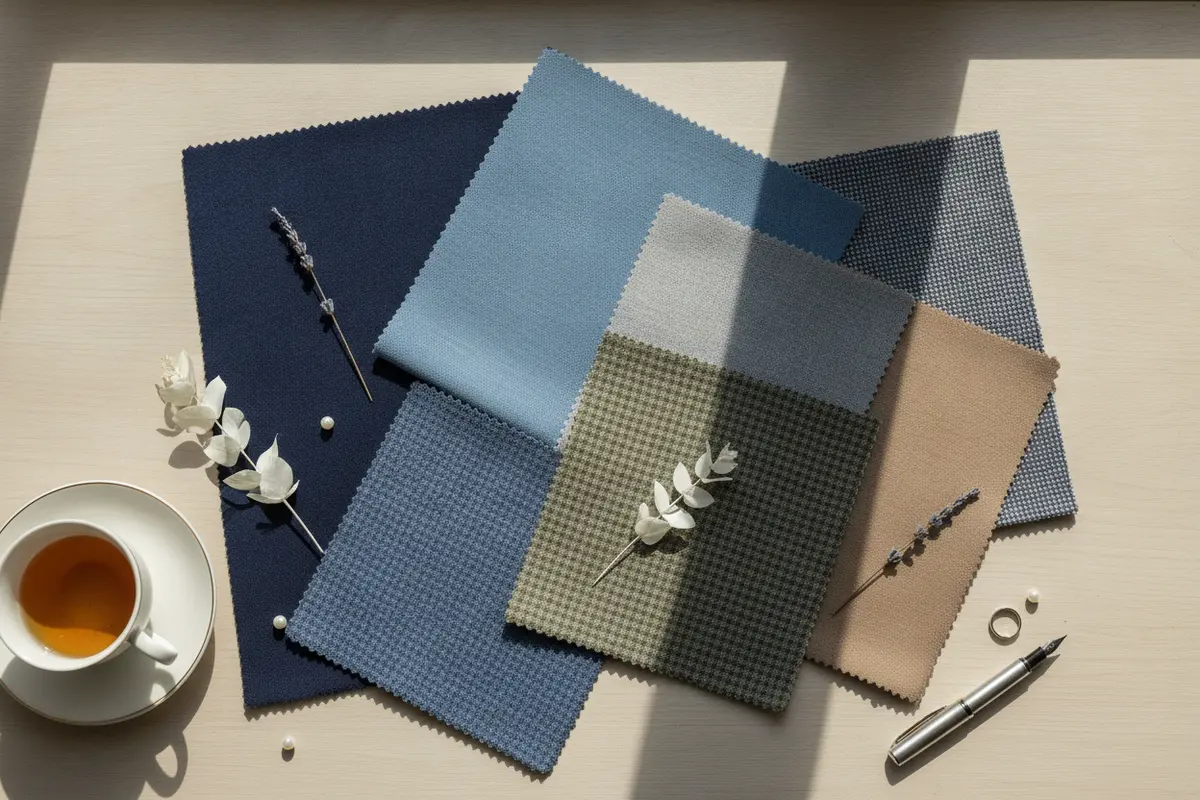
Some celebrations move from a sunlit ceremony to an evening reception, or from an outdoor location into a formal indoor space. For that kind of schedule, a mid-to-dark shade such as navy or medium-dark blue can feel appropriate in both settings. Charcoal is another option when the invitation leans formal. Rather than changing suits between events, use accessories to adjust the mood: a lighter tie or pocket square can soften the daytime look, while a more restrained combination can suit the evening.
If you are the groom, consider how the suit will appear beside the wedding party and in group photographs, not just in a portrait. Ask your partner or photographer whether the palette has strong colors that need balancing. If you are a guest, avoid treating the wedding palette as a costume brief; a coordinated accent is usually enough. A considered base color lets you move through the day without your outfit competing with the setting or the couple.
How should venue and time of day affect the shade?
Imagine the setting when you compare colors. A dark navy or charcoal suit can look crisp in a city hotel or evening reception. A garden, vineyard, or daytime country venue may support softer blue, tan, or olive. A beach wedding may invite a lighter palette, but an upscale evening event beside the water can still call for a darker, more formal look.
Time matters because daylight shows color differently than indoor evening light. A light gray or tan suit can look relaxed outside during the day, while a dark suit may feel more at home after sunset. If the celebration moves from an outdoor ceremony to a formal indoor reception, a versatile mid-to-dark shade can transition well. Consider seeing fabric options in natural and indoor light before making a final decision.
Venue is also practical. Grass, sand, and uneven paths can affect shoes and hems, while crowded indoor spaces make a very light outfit more noticeable. These are not reasons to avoid a color you love. They are reminders to choose a complete outfit that makes sense for the event’s setting and activities.
What color should the groom or wedding party choose?
For a groom, the color should feel connected to the wedding without disappearing into the wedding party. Start by discussing the palette with your partner. Ask which colors are already assigned to attendants, what the venue looks like, and whether the photographs should feel classic, relaxed, or more expressive. Then choose a suit shade that supports that vision and feels like you.
Navy and charcoal are versatile anchors because they can work across many settings and are easy to coordinate. Medium blue, olive, brown, or a lighter neutral can distinguish the groom when appropriate. If you want a memorable detail, try a distinctive texture, lining, tie, or waistcoat rather than relying on an unusually bright suit color. Our groom wedding suit ideas offer more inspiration, while this guide to unique wedding suits for men explores ways to make the look personal.
For attendants, coordination does not have to mean identical head-to-toe outfits. A shared suit color with varied ties, or a coordinated family of shades, can create a consistent look while allowing individual fit and preferences. Confirm the expected shade, shirt, and accessories early. If members of the party are ordering separately, give them clear color references and enough time to arrange fittings.
How can guests choose a color without overthinking it?
Guests can use a simple three-part check: follow the dress code, respect the couple’s preferences, and choose a color that suits the setting. Navy is a strong all-purpose option. Charcoal works well when the invitation feels more formal. Medium blue, gray, or a muted earth tone can be appropriate for a less formal daytime celebration. The right choice is the one that fits the event, not the shade that is currently trending.
When in doubt, favor a restrained color and let your accessories carry a little personality. Avoid loud patterns or colors that pull attention away from the couple. If the invitation includes a palette, you can complement it without wearing an exact match. A guest’s outfit should look considered and celebratory, while still leaving the spotlight where it belongs.
Black can be appropriate at a formal wedding, particularly in the evening, but a black suit is not automatically the right answer for every event. Check whether the invitation calls for a tuxedo. A tuxedo has specific formal details and is not interchangeable with a standard black business suit. For further context, explore custom tuxedo options.
What details help a suit color look intentional?
Once you have a color, build the outfit around it. A white or pale shirt works with many suit shades, while a soft blue shirt can feel less stark with navy or gray. A tie can echo a wedding color without matching it exactly. Shoes and belt should look compatible in formality and tone; the darker and more formal the suit, the more important polished finishing becomes.
Texture also changes the impression of a color. A smooth, refined cloth can feel dressier than a visibly textured one in the same shade. Subtle patterns may add interest but should not compete with the wedding party’s attire or the setting. If a suit is meant for several occasions, consider whether the shade and details will work beyond the wedding day.
Fit makes color look deliberate. A suit that sits cleanly at the shoulders and falls well through the body reads as more polished than an expensive shade in an ill-fitting garment. For a wedding look designed around your measurements and preferences, explore custom styling and tailoring or learn about custom suits. A custom garment’s price depends on fabric and customization, so a consultation is the best way to discuss options.
What if the dress code or wedding palette is unclear?
Do not guess at a dress code that could change the formality of your outfit. Ask the couple, wedding planner, or a member of the wedding party whether the event calls for a suit or tuxedo and whether guests should avoid particular colors. A short, considerate question is easier to answer before the event than a last-minute outfit change.
If you are part of the wedding party, ask for the exact color family and any instructions about shirt, tie, or shoes. Words like “blue” can mean anything from pale blue to midnight navy, so a photo of the selected fabric or an example outfit can prevent mismatched shades. For a groom choosing between a suit and formalwear, this wedding tuxedo guide for grooms can help clarify the look before a consultation.
When no palette is specified, return to the invitation and venue. A dark, versatile color with restrained accessories is a sensible fallback for a formal event; a lighter or earthier shade may suit a relaxed daytime celebration. If choosing between two options, favor the one that meets the dress code and feels comfortable through the full schedule.
When should you start planning and what should you bring?
If you are getting married, begin planning four to five months before the wedding. That gives you time to discuss the event, explore colors and fabrics, take measurements, and attend fittings. A wedding wardrobe consultation should cover the theme, venue, timeline, styling, and coordination with the wedding party. You can learn more about the tailor-made wedding suit process and use it to prepare questions.
Bring the invitation or a clear note of the dress code, the wedding date, venue details, and any palette information from your partner or planner. Photos of the venue and examples of looks you like can help communicate the mood. Tell your stylist how often you expect to wear the suit after the wedding. These details make it easier to balance a memorable wedding outfit with a useful long-term wardrobe piece.
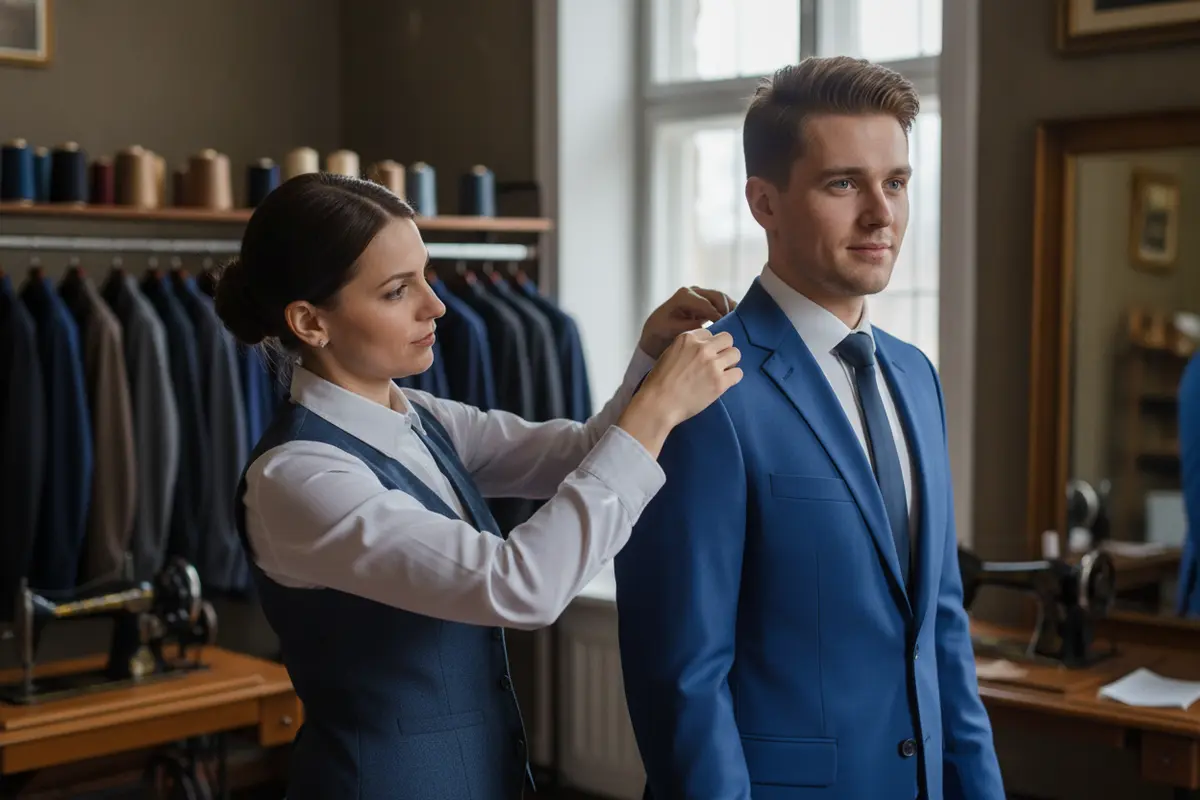
At Trevor Furbay Bespoke, wedding attire planning follows four stages: discovery and planning, styling and selection, measurements and fitting, then final fitting and delivery. The process gives you time to refine the color and details before the big day. For other custom tailoring needs, start with the appointment page to arrange a conversation with a stylist.
Frequently Asked Questions
Is navy a good color for a wedding suit?
Yes. Navy is versatile for many wedding settings, from daytime celebrations to evening receptions. Check the dress code and choose the shade and accessories to match the formality.
Can I wear a black suit to a wedding?
Often, especially for an evening or formal wedding, but the invitation should guide you. If it says black tie, choose appropriate tuxedo attire rather than assuming a black business suit meets the request.
Can a wedding guest wear a light-colored suit?
A light blue, gray, or tan suit can work for a daytime or outdoor wedding when the dress code allows it. Avoid white or ivory unless the couple specifically requests it, and ask if you are unsure about the wedding-party palette.
Should the groom and groomsmen wear the same color?
They can, but they do not have to wear identical outfits. A shared base shade or coordinated palette creates a unified look, while different accessories or complementary shades can give each person some individuality.
How early should I choose my wedding suit color?
If you are the groom, start four to five months before the wedding so there is time for planning, selection, measurements, and fittings. Guests should allow enough time for shopping and tailoring once they know the dress code.
The right wedding suit color is the one that honors the dress code, suits the setting, and lets you feel comfortable and confidently yourself.