
Asking someone, “Will you be my groomsman?” is a small moment with a meaningful answer behind it. A thoughtful invitation makes clear why you chose him, what the role involves, and when you will need to make decisions together. If you are deciding how to ask, how to respond, or when to start planning wedding attire, a little clarity can make the experience easier for everyone.
What does it mean to ask someone to be your groomsman?
A groomsman is someone the couple wants beside them as they prepare for and take part in the wedding. The role is personal first. It usually means showing up for agreed-upon events, supporting the groom, communicating with the wedding party, and being ready for the ceremony and photographs. The exact expectations vary from one wedding to another.
There is no single checklist every groomsman must follow. One wedding may include a rehearsal dinner, a bachelor gathering, and several planning conversations. Another may ask the wedding party to attend only the rehearsal and wedding day. The couple should explain their plans rather than assume everyone understands the same thing by “being a groomsman.”
It is also a commitment of time and, in some cases, personal expense. Travel, lodging, clothing, and group events can all affect a person’s decision. A considerate invitation leaves room for an honest answer and an early conversation about practical details. The aim is not to turn a friendship into a list of obligations. It is to invite someone into an important part of the day with mutual understanding.
How should you ask someone to be your groomsman?
Ask in a way that suits your relationship. A face-to-face conversation is a warm option, especially for a close friend or family member. A call or personal message can work well when distance makes an in-person moment difficult. A card or small gift may add a keepsake, but it should not replace the useful details the person needs to make a decision.
Start with the reason you are asking. Mention what the friendship means to you or why you would value his support on the wedding day. Then make the question direct: “I’d be honored if you stood with me. Will you be my groomsman?” Direct language avoids the awkwardness of making someone guess whether a gift, joke, or gathering is actually an invitation.
Include what you already know, while being honest about what is still undecided. Share the wedding date, location, any likely travel, and the broad shape of the role. If you do not yet know event dates or attire plans, say so. Avoid promising that participation will be inexpensive, effortless, or limited to one day unless those details are settled.
A personal invitation can be simple and still feel meaningful. You might say:
“You’ve been an important friend through so many chapters of my life. I’d love to have you beside me when I get married. The wedding is on [date] in [place], and I’m still working out the details. Would you be my groomsman? I’ll share the schedule and clothing plans as soon as they’re confirmed, and I want you to feel comfortable telling me what works for you.”
Give the person time to answer. There is no need to demand an immediate yes while other people are present. A private invitation makes it easier for someone to ask questions or explain a constraint without feeling they are disappointing an audience.
A proposal box or group reveal is optional. The best way to ask is the one that feels natural to your friendship and leaves room for a real conversation. If you do give a keepsake, make the written invitation clear about the role rather than relying on a humorous item to explain it. A simple card can be just as personal as a larger gesture when it includes a genuine note and a direct question.
Think about the setting, too. If you are asking someone who may need to discuss travel or costs with a partner or family member, avoid putting him on the spot in front of a crowd. A private conversation gives him a chance to ask questions without making his answer feel like a performance. It also helps you hear any concerns early and respond with the information you have.
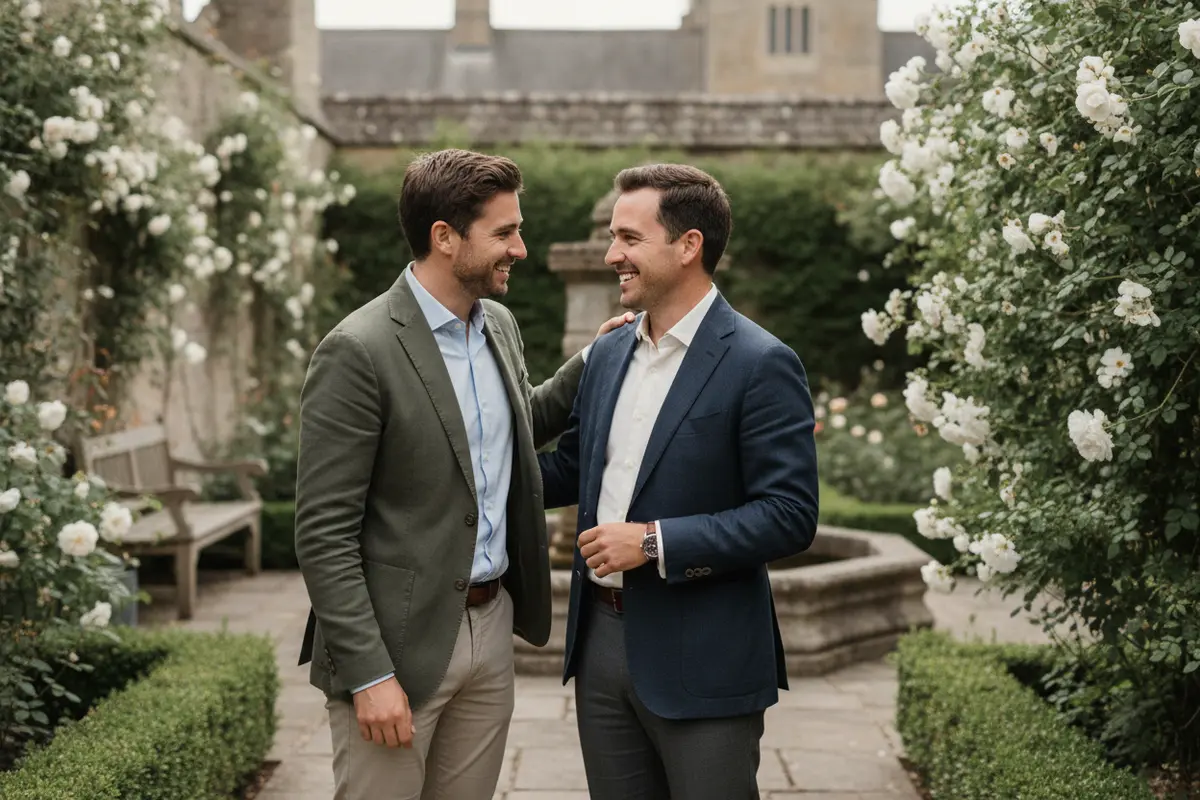
When should you ask your groomsmen?
Ask once you have a wedding date and a reasonably clear sense of the wedding party, but early enough for people to plan. If the wedding involves significant travel or several scheduled events, advance notice is especially considerate. An early invitation gives friends time to check work, family, and travel commitments before accepting.
There is no universal number of months that fits every wedding. The right lead time depends on the date, location, guest travel, and what you expect of the wedding party. Avoid asking so early that the plans are entirely uncertain, then leaving the person without updates for a long stretch. If you must invite someone before every detail is known, be explicit about which information is still in progress and set a time to revisit it.
When asking several people, try to share the same basic information with each one. That includes the date, place, likely schedule, how decisions will be communicated, and any known costs or travel considerations. This helps everyone respond to the same picture rather than relying on secondhand assumptions.
What should you explain before someone accepts?
People can make a more comfortable decision when they understand what “yes” means. You do not need a perfect itinerary on the day you ask, but you should share the essentials you know and follow up when plans take shape.
- Date and location: Give the wedding date and venue or city, plus any travel that may be involved.
- Expected events: Explain which gatherings or rehearsal activities you expect the wedding party to attend, and which are optional.
- Time commitment: Share the likely schedule, including when people may need to arrive and whether they should plan to stay overnight.
- Clothing: Tell them whether attire is still undecided. When you know more, explain the style, coordination, fitting, and ordering timeline.
- Potential expenses: Be candid about costs people may need to consider, such as travel, lodging, attire, or a group event. Do not present estimates as confirmed unless you have reliable details.
- How you will communicate: Say where updates will come from and how soon you expect a response to time-sensitive questions.
Be careful not to treat every wedding-party custom as a rule. A bachelor event, matching accessories, or attendance at every pre-wedding gathering may be part of one couple’s plan and absent from another’s. Make your expectations specific, reasonable, and consistent with the couple’s priorities.
How can you respond to “Will you be my groomsman?”
If you are happy to accept, say so warmly and make sure you understand the date and the main expectations. A clear answer might be: “I’d be glad to stand with you. Thanks for asking me. Let me know when the schedule and attire plans are settled, and I’ll keep the date clear.” This is a good moment to mention any known travel or scheduling limits, not months later when plans are already fixed.
If you are unsure, it is fine to ask for the information you need. You could say, “I’m honored you asked. Can I check the date and travel details before I give you a definite answer? I’ll get back to you by Friday.” Set a realistic time to respond and follow through. Uncertainty is easier to manage when the couple knows when to expect a decision.
If you cannot accept, be kind, direct, and prompt. Thank the person for including you, explain briefly if you wish, and express that you still care about the relationship. You do not owe intimate details about work, finances, or family circumstances. You might say, “I’m truly touched you asked. I can’t commit to the wedding-party responsibilities, but I’m excited for you and would love to celebrate with you another way.”
Do not accept only to avoid an uncomfortable moment if you already know the commitment will not work. A gracious early decline gives the couple more time to adjust plans. It also avoids resentment that can grow if expectations and availability remain unspoken.
What responsibilities come after accepting?
After saying yes, be dependable about the commitments you agreed to. Save the date, reply to planning messages, and tell the couple promptly if a conflict comes up. If you are unsure whether an event is required, ask rather than assuming. The couple may be coordinating many details, so a short, clear response is often more helpful than silence.
Be supportive without taking over. Check in with the groom, help with a practical task when asked, and contribute to a welcoming atmosphere among the wedding party. If you are asked to help plan a gathering, confirm the budget and preferences with the group before booking anything. Do not assume every person has the same available time or spending comfort.
For the wedding itself, learn the schedule and arrive when requested. Keep your clothing and accessories organized, follow the couple’s guidance for photographs and ceremony timing, and be considerate of the other people involved. A groomsman’s job is not to create a flawless production. It is to be present, prepared, and supportive.
Good communication matters more than elaborate gestures. If a work commitment, health concern, or travel problem changes your availability, tell the couple as soon as you can. Offer a practical alternative if there is one, but do not promise what you cannot deliver. The same principle applies if you need clarification about a cost or fitting date.
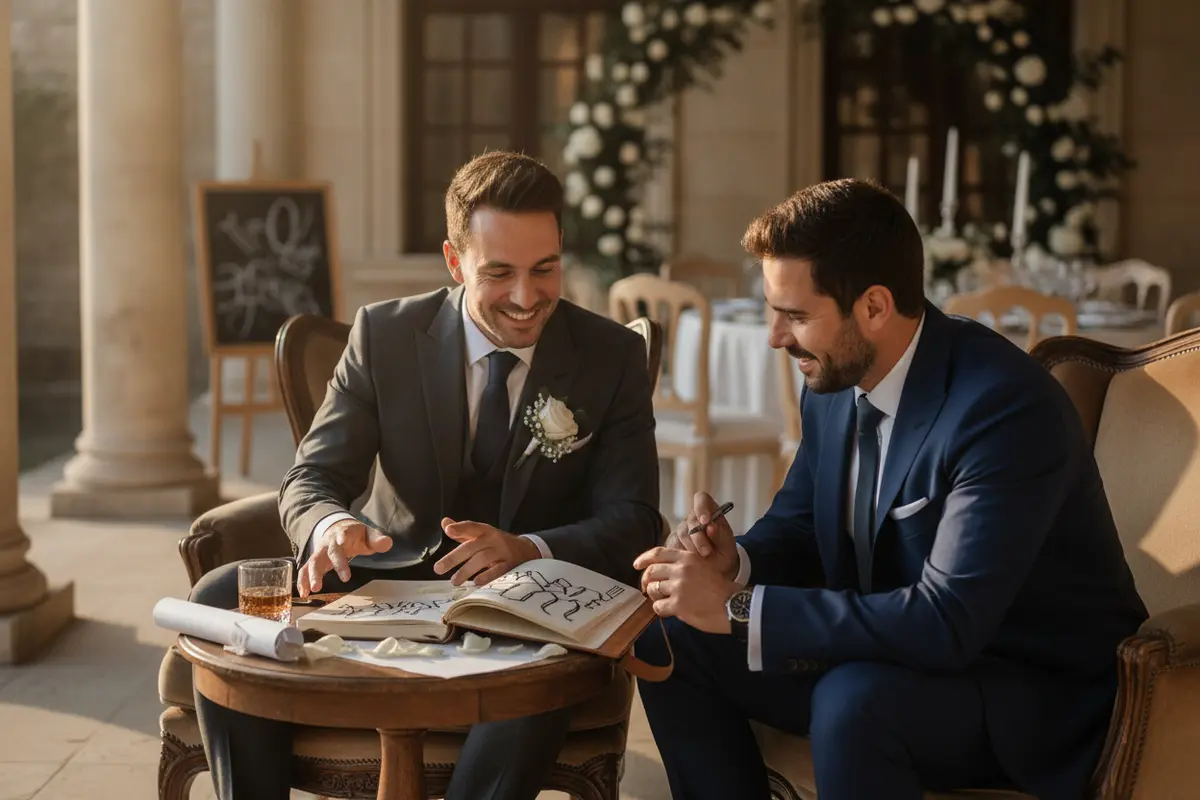
When should you discuss groomsman attire and fittings?
Start the attire conversation after the wedding party is established and before anyone needs to order or attend a fitting. The couple should share the overall direction, formality, color palette, and any coordination requirements. Each person should know whether the expectation is a particular garment, a coordinated look, or a more flexible dress code.
For a wedding wardrobe, starting four to five months before the wedding gives the couple time to discuss options, select clothing, arrange measurements and fittings, and address adjustments before the event. A complex schedule, travel, or a larger wedding party may call for an earlier conversation. Do not leave the first discussion until the final weeks, when choices and appointment times may be harder to coordinate.
Ask practical questions early. What needs to match, and what can each person choose? Is the couple considering a suit, a tuxedo, or another formal option? Who will coordinate measurements and fitting appointments? When must everyone confirm their selection? The answers shape whether the group benefits from a consistent look or a coordinated range of individual choices.
A tailored outfit should be considered as a complete look: jacket, trousers, shirt, shoes, and any accessories the couple requests. If a tuxedo is under consideration, a guide to custom wedding tuxedos can help frame the conversation. For a suit, explore custom suits and tailoring or compare the details in this tuxedo style guide. These are starting points for discussing fit and formality, not a substitute for the couple’s preferences.
For individual pieces, the group can also review options for custom shirts, custom trousers, and custom jackets and sport coats. The right choice depends on the wedding’s dress code and how formal or coordinated the couple wants the party to look.
Do not confuse group coordination with identical fit. Each person should have a garment that fits his own measurements and feels comfortable for the occasion. Agree on the visual elements that need to align, then let the person handling the clothing explain how individual choices can stay within that direction. If someone needs a fit adjustment or has a concern, raise it with the professional coordinating the garment so a professional can advise on the right next step.
Before an appointment, ask everyone to bring or wear the kind of shoes and shirt they expect to pair with the outfit, if the coordinator recommends it. Confirm whether measurements happen together or separately, and make sure anyone traveling knows how to arrange a fitting. A shared schedule with a little flexibility is more useful than assuming every groomsman can attend at the same time.
| Planning moment | What to confirm | Why it helps |
|---|---|---|
| When the wedding party is invited | Date, location, likely travel, and broad role | Each person can decide with a realistic picture of the commitment. |
| After the wedding style is discussed | Formality, color direction, garment type, and what may vary | The group can coordinate without guessing or buying the wrong thing. |
| Four to five months before the wedding | Selections, measurements, fitting dates, and order deadlines | There is time to plan and handle fit questions before the event. |
| Before the wedding week | Final fit, complete outfit, accessories, and arrival schedule | Everyone can arrive prepared rather than resolving clothing questions at the last minute. |
For wedding parties who want help coordinating clothing, a consultation can make it easier to discuss style, measurements, and timing together. The process begins with a conversation about the wedding’s theme, venue, and timeline, followed by selections, measurements and fitting, and a final fitting and delivery. You can also review groom tuxedo style ideas or a guide to wedding guest suits as you decide how the party’s look should relate to the rest of the event.

How can the couple keep the wedding-party experience considerate?
Make decisions early where possible, but avoid presenting unfinished plans as final. A short update that says what has changed and what remains open can prevent confusion. If the group is expected to travel or make purchases, communicate dates and details directly instead of relying on assumptions to spread from person to person.
Consider that each friend has a different schedule, budget, and family life. Offer clear choices where the wedding’s style allows them, and be transparent when a particular look is important to the couple. If someone raises a concern, listen before deciding how to handle it. A useful conversation can distinguish a genuine constraint from a misunderstanding about what is required.
Try to keep requests proportionate to the role. The wedding party can support the couple, but friends should not be expected to guess at expenses or be available without limits. Shared expectations make it easier to enjoy the celebration and protect the relationships that brought everyone together.
Before the group makes clothing decisions, identify who will make the final call and how everyone will receive updates. The couple may have a specific vision, or they may want input from the wedding party. Either way, make the decision process clear. For example, agree on a date to choose garments, tell everyone whether they should shop independently or attend a coordinated appointment, and confirm who will answer questions about color and formality.
When comparing looks, consider the setting as well as photographs. A daytime outdoor wedding, an evening ceremony, and a formal indoor reception may call for different levels of formality. The wedding invitation and venue can offer useful context, but the couple’s dress code should guide the decision. If the wedding party is spread across locations, share reference images or written descriptions so people do not interpret a color or dress code in very different ways.
Fit is personal, even when the group wears coordinated clothing. Measurements, posture, and preferred ease can differ from one person to another. Build time for each person to try on the selected outfit and identify questions while there is room to address them with a professional. A fitting is also a chance to confirm that the jacket, shirt, trousers, and shoes work together, rather than checking one piece in isolation.
Keep a simple shared record of decisions: the selected outfit, any required accessories, the person responsible for the next step, and the date by which it should happen. This does not need to become a complicated project plan. A clear message after a group discussion can prevent repeat questions and make it easier for someone who missed the conversation to catch up. If plans change, update everyone directly.
Frequently Asked Questions
How far in advance should I ask someone to be a groomsman?
Ask after you have a wedding date and a reasonable outline of the plans, with enough notice for the person to consider travel, work, and other commitments. Give more lead time when the wedding requires significant travel or several events. If details are still uncertain, say what is known and when you expect to follow up.
Is it rude to say no to being a groomsman?
No. A person can decline when the timing, travel, cost, or responsibilities do not fit. The considerate approach is to respond promptly, thank the couple, and explain only as much as feels comfortable. If you want, suggest another way to celebrate, but do not offer a commitment you cannot keep.
Does accepting mean I must attend every pre-wedding event?
Not automatically. Events and expectations differ by couple. Ask which dates are essential, which gatherings are optional, and what the likely time and travel commitments will be. The couple should make those expectations clear rather than assuming that everyone shares the same idea of the role.
When should groomsmen get measured for wedding attire?
Discuss attire once the wedding party and general style are set, then arrange measurements and fittings according to the garment and event timeline. For wedding attire, beginning four to five months before the date allows time for selections and fit planning. Confirm the actual deadlines with the couple or the clothier coordinating the outfits.
Should all the groomsmen wear exactly the same thing?
That is a style decision for the couple. Some weddings call for matching garments, while others coordinate through color, formality, or selected details and allow individual preferences. Explain the desired level of consistency before anyone shops or schedules a fitting.
A thoughtful invitation, honest expectations, and early attire planning help friends feel valued and let the wedding party focus on celebrating together.