
The lining of a suit is like a secret handshake—a hidden detail that says a lot about your personal style. It’s your chance to add a flash of personality to an otherwise classic garment. You could opt for a timeless solid color that complements the exterior, or you could choose a bold pattern or a vibrant, unexpected hue that’s just for you. But this choice is about more than just aesthetics. The right suit jacket lining fabric also needs to perform. It should feel smooth, breathe well, and be durable enough to withstand daily wear. This guide will help you find the perfect balance between personal expression and practical function, ensuring the inside of your jacket is just as thoughtfully considered as the outside.
Key Takeaways
- Think of lining as a functional choice, not just a design detail: The fabric inside your jacket determines its comfort, breathability, and how well it holds its shape over time, making it a crucial element for a long-lasting suit.
- Match the fabric to how you’ll wear the suit: Opt for a durable and breathable material like Bemberg for everyday wear, choose luxurious silk for a special occasion piece, and consider viscose for a versatile, high-value option.
- Personalize your suit with expert guidance: The lining is the perfect place to show your personality with a unique color or pattern, and a stylist can help you select a high-quality option that complements your suit and lifestyle.
Your Guide to Suit Jacket Lining Fabrics
The lining of a suit jacket is more than just a hidden detail; it’s the unsung hero of comfort, structure, and personal expression. This interior fabric is what rests against your body, so it plays a huge role in how the suit feels, breathes, and drapes. A quality lining helps a jacket slide on smoothly over your shirt, prevents static, and wicks away moisture to keep you comfortable. It also adds an opportunity to inject personality into your garment, whether you choose a classic solid or a bold, unexpected pattern. Understanding the different fabric options is the first step in creating a truly custom suit that works for you, not against you.
Silk: The Luxury Standard
When you think of luxury, you probably think of silk. As a suit lining, it’s incredibly smooth, lightweight, and has a beautiful, rich luster. Silk linings offer a luxurious experience that elevates any garment, making them an ideal choice for special occasions. It drapes beautifully and feels incredible against the skin. However, this premium feel comes with a higher price tag and requires more delicate care. Silk is less durable than some other options and can be susceptible to moisture staining, making it a better fit for formalwear or a special wedding suit rather than a daily office workhorse.
Bemberg (Cupro): The Premium Eco-Friendly Favorite
Often considered the gold standard by tailors, Bemberg (also known as Cupro) is a high-end, breathable fabric made from cotton linter. It has a silky-smooth finish that rivals silk but with added durability and practical benefits. Bemberg is the most breathable option, which means it’s fantastic for year-round wear. It feels and looks silky, doesn’t create static or cling to you, and helps control sweat and humidity. This makes it an exceptionally comfortable choice for anyone who runs warm or simply wants a high-performance lining. It’s the perfect blend of luxury and functionality for your everyday custom clothing.
Polyester: The Practical, Affordable Choice
Polyester is a synthetic workhorse and a very common lining material, especially in off-the-rack suits. Its biggest advantages are cost and durability. Polyester is a popular choice for jacket linings because it is affordable, durable, and easy to care for. It resists wrinkles and is strong enough to withstand daily wear and tear without much fuss. The primary drawback is its lack of breathability. Since it doesn’t absorb moisture, it can feel warm and stuffy in certain climates or for those who tend to overheat. While it may not offer a luxury feel, it’s a reliable and practical option for a sturdy, everyday suit.
Cotton: The Breathable, Natural Option
As a natural fiber, cotton is known for its softness and breathability, making it a comfortable choice for more casual or warm-weather jackets. Think unstructured blazers or lightweight summer suits. It’s excellent at absorbing moisture, which helps keep you cool and dry. However, cotton isn’t as smooth as silk or Bemberg, so the jacket may not glide on as easily. It also tends to wrinkle more than other lining fabrics. For a relaxed, comfortable piece that’s part of a personalized StyleBox, a breathable cotton lining can be the perfect fit for your lifestyle.
Viscose & Rayon: The Versatile Mid-Range
Viscose and rayon are semi-synthetic fabrics made from regenerated wood pulp. They are often used as a silk alternative because they share a similar soft feel and beautiful drape but at a more accessible price point. These fabrics are quite breathable and comfortable to wear. While not as durable as polyester, they offer a significant step up in comfort and feel. High-quality lining materials help manage body temperature by promoting airflow, and viscose does this well. It’s a fantastic middle-ground option that gives you a touch of luxury and comfort without the investment of pure silk, and our expert stylists can help you decide if it’s right for you.
Top Brands for Quality Suit Linings
When you’re investing in a quality suit, the lining is just as important as the exterior fabric. It affects the suit’s comfort, durability, and structure. While many brands produce excellent suits, a few stand out for their exceptional attention to lining materials and craftsmanship. From historic fabric houses to modern luxury icons, these brands understand that what’s on the inside truly counts. Exploring what these leaders in menswear prioritize can give you a great sense of what to look for in your own custom or off-the-rack pieces.
Trevor Furbay Bespoke: Custom Craftsmanship in Cincinnati, Columbus, and Harbor Springs
At Trevor Furbay Bespoke, the focus is entirely on you. Building a custom suit is a collaborative process, and choosing the lining is one of the most personal steps. We believe the inside of your jacket should be just as expressive and well-made as the outside. That’s why we source a wide range of high-quality fabrics, from classic silks to modern Bemberg, allowing you to find the perfect match for your style and needs. Our expert stylists in Cincinnati, Columbus, and Harbor Springs guide you through every option, ensuring your final piece is a true reflection of your personality, built with unparalleled craftsmanship.
Hugo Boss: High-Quality Bemberg Linings
Hugo Boss has built a reputation for sharp, modern tailoring, and their choice in linings reflects a commitment to quality and comfort. They frequently use Bemberg, a high-end rayon made from cotton linter. As one style expert notes, Bemberg is a fantastic choice because it’s a “breathable, light, durable, and silky-feeling material [that] makes it easier to slip on and off.” This focus on a premium, functional material like Bemberg shows that Hugo Boss values the wearer’s experience, ensuring their suits feel as good as they look, from the boardroom to an evening out.
Canali: Italian Silk and Wool Blends
When you think of Italian luxury, Canali is often one of the first names that comes to mind. This brand is synonymous with impeccable tailoring and the use of exquisite materials. For their linings, Canali often turns to fine Italian silk and rich wool blends. These choices are all about the experience of wearing the suit. As one lining specialist explains, “Silk suit linings offer a luxurious experience that elevates any custom suit, making them an ideal choice for special occasions.” By using such premium materials, Canali ensures their jackets drape beautifully and feel incredible against the skin, embodying the essence of Italian elegance.
Dormeuil: A Legacy of French Luxury
While Dormeuil is a renowned fabric house rather than a suit brand, their influence on high-end tailoring is immense. For over 170 years, they have supplied the world’s best tailors with luxurious fabrics, including some of the most sought-after linings. Dormeuil understands that the best lining fabric is one that is “durable, can be printed on in high quality, and adds structure to your jacket.” Their collections often feature intricate patterns and vibrant colors printed on silk and Bemberg, allowing for a truly custom and artistic expression inside a bespoke suit. Choosing a Dormeuil lining means investing in a legacy of quality.
Tom Ford: Bold Patterns and Premium Silk
Tom Ford is known for a bold, glamorous, and unapologetically luxurious aesthetic. This philosophy extends to every detail of his menswear, especially the suit linings. While the exterior of a Tom Ford suit is often a study in powerful silhouettes and rich fabrics, the interior frequently reveals a flash of personality. He favors premium silks with bold, graphic patterns and deep, saturated colors. This approach turns the lining from a functional component into a statement piece. For the man who wears Tom Ford, the lining is a hidden detail that speaks volumes about his confidence and personal style.
How to Choose the Right Suit Lining Fabric
Choosing the right suit lining is about more than just picking a fun color or pattern—though that’s definitely part of the appeal. The fabric inside your jacket plays a huge role in its comfort, structure, and lifespan. It’s the unseen workhorse that determines how your suit breathes, drapes, and holds up over time. When you’re investing in a custom suit, getting the lining right is a crucial step. Let’s walk through the key factors to consider so you can make a choice that feels as good as it looks.
Consider Climate and Breathability
Think about where and when you’ll be wearing your suit most often. If you’re in a warm climate or tend to run hot, breathability is your best friend. High-quality lining materials like pure silk or Bemberg (cupro) are fantastic because they help manage body temperature by promoting airflow and wicking away moisture. This keeps you comfortable and dry, whether you’re in a stuffy boardroom or at an outdoor summer wedding. On the other hand, a less breathable fabric might offer a touch more insulation for cooler weather, but for all-around comfort, a lining that lets your skin breathe is always a smart choice.
Think About Durability and Long-Term Wear
Your suit jacket’s lining puts up with a lot—it’s constantly rubbing against your body, absorbing moisture, and handling the stress of you putting the jacket on and taking it off. That’s why durability is so important. The best suit lining fabric is one that’s not only durable but also adds structure to your jacket, helping it keep its shape for years to come. While polyester is known for its toughness, premium materials like Bemberg also offer incredible resilience along with a much more comfortable feel. A strong lining protects the more delicate outer fabric from the inside out, making it a key component of a long-lasting garment.
Decide on Your Preferred Weight and Drape
The weight of the lining fabric directly influences how your jacket hangs on your body, a quality known as “drape.” A fully lined suit jacket, which has material throughout the entire interior, feels substantial and structured. Heavier linings can add a bit of form and rigidity, creating a sharp, clean silhouette. Lighter linings, like silk, are incredibly smooth and allow the jacket to move more fluidly with you. This choice comes down to personal preference and the look you’re trying to achieve. Discussing these options with a stylist can help you find the perfect balance for your body type and style.
Factor in Your Budget
Lining fabrics are available at various price points, and it’s helpful to know what you’re getting for your money. Polyester is the most common lining in off-the-rack suits because it’s durable and inexpensive. Moving up, you’ll find viscose and rayon, which offer a better feel and more breathability. At the premium end are Bemberg and silk, which provide the ultimate in comfort, luxury, and performance. While it might be tempting to save on the lining, remember that it’s a critical part of your suit’s overall comfort and longevity. Investing in a quality lining is an investment in the entire garment.
Match Your Personal Style
Here’s where you can really have some fun. The lining is your suit’s secret handshake—a place to express your personality in a subtle yet impactful way. You could go for a classic, solid color that complements the exterior fabric for a timeless, professional look. Or, you could choose a bold pattern or a vibrant color that offers a surprising flash of personality when you open your jacket. For special occasions like a wedding, a unique lining can make your suit feel even more special. Silk suit linings, in particular, offer a luxurious experience that makes any custom suit feel truly one-of-a-kind.
Comparing Suit Lining Fabrics: What to Expect
When you’re designing a custom suit, the lining is more than just a hidden detail—it’s a crucial component that affects how your jacket wears, feels, and lasts. Different fabrics bring unique qualities to the table, from breathability to durability. Understanding these differences is key to creating a suit that not only looks fantastic but also feels incredible to wear. Let’s break down what you can expect from the most common lining materials across five key areas.
Comfort and Feel
The lining is the material that rests against your body, so its texture is paramount. You want something that feels smooth and allows the jacket to glide on and off easily. High-end materials like pure silk or Bemberg (cupro) offer a luxurious, silky feel that is unmatched. They are soft, lightweight, and gentle on your skin. In contrast, synthetic options like polyester might feel less refined and can sometimes have a slightly plastic-like texture. When you invest in a custom suit, the interior comfort is just as important as the exterior appearance, and a premium lining makes a world of difference in the overall experience.
Temperature Control and Moisture Wicking
A great suit should keep you comfortable no matter the season. The lining plays a huge role in regulating your body temperature. Natural and semi-synthetic fibers are the winners here. High-quality materials like silk and Bemberg are highly breathable, promoting airflow to keep you cool and wicking moisture away from your body to keep you dry. This is a game-changer for all-day events or warmer climates. Polyester, on the other hand, is far less breathable. It can trap heat and moisture, which may lead to discomfort and a clammy feeling, especially if you tend to run warm.
Static and Cling Resistance
There’s nothing more annoying than a jacket that clings to your shirt. This is often caused by static electricity, a common issue with some synthetic fabrics. Bemberg is the star performer when it comes to preventing this problem. It doesn’t create static or cling to you, ensuring your jacket drapes perfectly every time you move. Silk also performs well in this regard. Polyester can be more prone to static buildup, especially in dry conditions, which can disrupt the clean lines of your suit and create an uncomfortable, clingy fit.
Color Retention
The lining is a perfect place to express your personality with a pop of color or a bold pattern. For this, you need a fabric that holds dye well and resists fading. Polyester is known for its excellent color retention and durability, making it a reliable choice for vibrant and intricate designs. It’s also resistant to wrinkles, keeping your custom pattern looking sharp. Premium options like silk and Bemberg also offer brilliant, rich color, though silk may require more careful handling to prevent fading over time. The best lining fabric is one that is durable and can be printed on in high quality, allowing you to add that perfect personal touch to your garment.
Care and Maintenance
Your lifestyle should influence your choice of lining fabric. If you prioritize easy care, polyester is a practical option. It’s a popular choice for jacket linings because it is affordable, durable, and simple to maintain. It stands up well to regular wear and cleaning without much fuss. Natural fibers like silk, however, are more delicate and typically require professional dry cleaning to preserve their texture and color. Bemberg and viscose fall somewhere in the middle, offering a balance of luxury and reasonable durability, but they still benefit from professional care. Always consider how much maintenance you’re willing to commit to before making your final decision.
Finding a High-Quality Suit Lining
You’ve decided on the suit’s outer fabric, cut, and style. But what about the inside? The lining of your suit jacket is more than just a hidden detail—it’s essential for comfort, structure, and personal expression. A great lining helps your jacket slide on smoothly, protects the main fabric from wear, and adds a pop of personality every time you open it. Finding the right one can feel like a big decision, but with a little guidance, you can choose a lining that feels as good as it looks. Let’s walk through the best ways to find a high-quality suit lining that’s perfect for you.
Work with a Custom Tailor
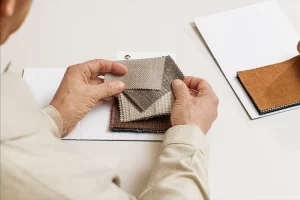
Honestly, the most straightforward way to find an amazing suit lining is to work with an expert. A custom tailor is your best resource for exploring the world of fabrics. They’ve seen and felt it all, and they can guide you toward materials that match your lifestyle, budget, and the suit’s purpose. When you sit down for a custom suit consultation, your tailor will present you with a curated selection of high-quality options, from luxurious silks to durable Bembergs. They can explain the practical differences and help you visualize how a specific color or pattern will complement your suit. This collaborative process takes the guesswork out of the equation and ensures your final piece is cohesive and expertly crafted.
Shop Specialty Fabric Stores
If you’re a hands-on person or have a very specific vision in mind, visiting a specialty fabric store can be a great adventure. This path gives you complete control over your choice. You can feel the different textures, see the colors in natural light, and maybe even discover a unique pattern that a tailor might not have in their standard collection. When you’re browsing, remember that the best suit lining fabric is durable, can be printed on in high quality, and adds structure to your jacket. Just keep in mind that you’ll need to purchase the fabric and bring it to your tailor, so be sure to communicate with them beforehand about yardage and material compatibility.
Know the Signs of Quality
Whether you’re with a tailor or at a fabric store, it’s helpful to know what separates a great lining from a mediocre one. Quality isn’t just about a high price tag. Pay attention to how the fabric feels against your skin—it should be smooth and silky, not scratchy or stiff. High-quality lining materials, such as pure silk or cupro, are also functional; they help manage body temperature by promoting airflow and wicking away moisture. A good lining will make your suit more comfortable to wear year-round. Don’t be afraid to ask questions about the material’s origin and composition. A knowledgeable seller or experienced stylist will be happy to share the details.
Understand the Pricing
Suit linings come in a wide range of price points, and it’s smart to have a budget in mind. Natural fibers like silk will be at the top end of the spectrum, offering unparalleled luxury and feel. However, you don’t have to break the bank to get a fantastic lining. Mid-range options like viscose can offer a good balance of quality and affordability, providing a smooth feel and excellent durability without the premium cost of silk. The best lining material often depends on your specific needs and how you plan to wear the suit. Be open with your tailor about your budget so they can show you the best options within your price range.
Make Your Final Selection
Once you’ve explored your options, it’s time to make a choice. Think about your personal style and the occasions you’ll be wearing the suit for. Are you building a workhorse suit for the office or a statement piece for special events? For something truly memorable, like a groom’s wedding suit, a silk suit lining can offer a luxurious experience that makes the day feel even more special. For a daily driver, a durable and breathable Bemberg might be the more practical choice. Ultimately, the lining is your chance to add a personal touch, so choose the color, pattern, and fabric that makes you feel confident and excited to wear your suit.
Related Articles
- The Ultimate Guide to Custom Suit Jacket Lining
- The Ultimate Guide to Bespoke Suit Options
- Brown Double Breasted Suit: The Complete Guide
Frequently Asked Questions
What’s the best all-around suit lining fabric? While the “best” fabric really depends on your specific needs, most tailors agree that Bemberg, also known as Cupro, is the top contender for all-around performance. It gives you the silky, luxurious feel of silk but with much better durability and breathability. It’s a fantastic choice that works well for almost any suit, from your daily office wear to a special occasion piece, because it perfectly balances comfort and function.
Does the lining really make that big of a difference? Yes, it absolutely does. Think of it as the foundation of your jacket’s comfort. The lining is what’s against your body, so it determines how the suit feels, breathes, and moves with you. A quality lining helps the jacket slide on effortlessly and keeps it from clinging to your shirt, while a poor one can make even the most beautiful suit feel stuffy, static-prone, and uncomfortable.
How much does the lining choice affect the cost of a custom suit? The lining can definitely influence the final price of your suit. A standard polyester or viscose lining is a cost-effective and durable choice. If you decide to go with a premium material like pure silk or a specialty patterned Bemberg, it will be more of an investment. It’s a great area to discuss with your stylist, as you can decide whether to allocate more of your budget here for that extra touch of luxury and comfort.
Can I put any pattern or color I want on the inside of my jacket? Absolutely! The lining is the perfect place to inject your personality into your suit. It’s your chance to add a detail that’s just for you, whether that’s a vibrant, unexpected color or a bold pattern that tells a story. When you work with a custom tailor, you’ll get to see a wide range of options, from classic solids to intricate designs, so you can find the one that makes your suit feel truly your own.
Is a fully lined jacket always the better option? Not necessarily. A fully lined jacket provides excellent structure and helps the garment drape smoothly, which is ideal for more formal or business suits. However, for a summer suit or a more casual blazer, a partially lined or unlined jacket can be a fantastic choice. This construction maximizes breathability and creates a lighter, more relaxed feel, making it perfect for staying comfortable in warmer weather.